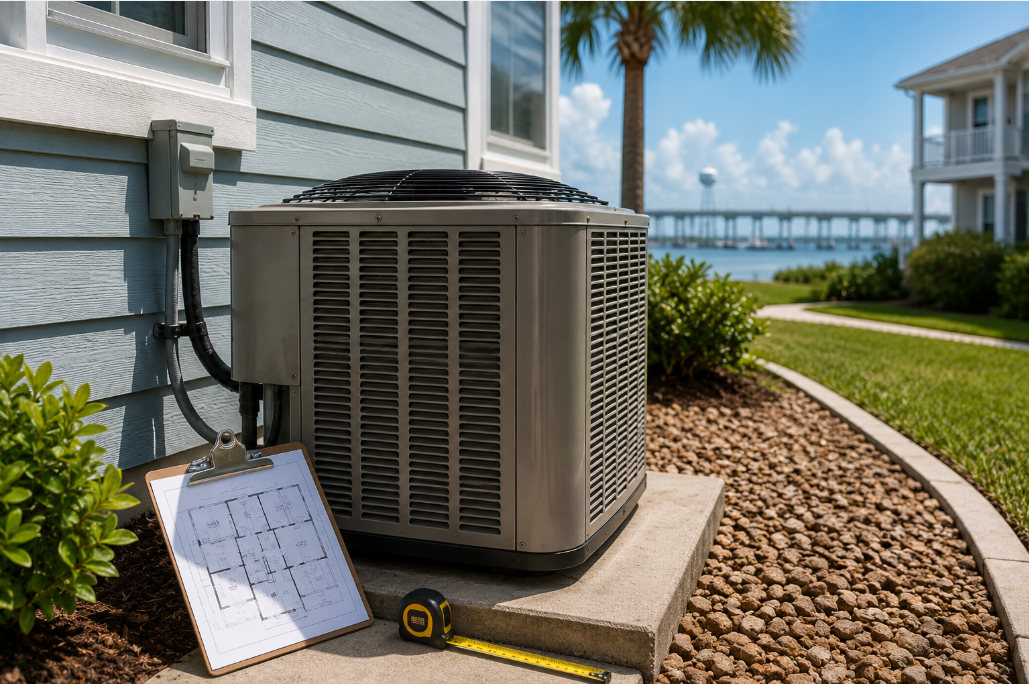
Just living in coastal Texas presents unique challenges for your home’s ductwork. You might be experiencing higher energy bills or inconsistent cooling. Your HVAC system works hard; leaky ducts force it to work even harder. Recognizing these signs early helps you maintain comfort and efficiency.
Why Ductwork Matters for Your HVAC System
Ensuring Efficient Airflow Distribution
Your duct system acts as the circulatory system for your home’s conditioned air. It ensures that the cool, dehumidified air produced by your HVAC unit reaches every room evenly and efficiently.
Without properly sealed ductwork, this carefully conditioned air escapes into unconditioned spaces like attics or wall cavities, never reaching your living areas.
Reducing Mechanical Strain on Cooling Units
A leaky duct system forces your air conditioning unit to work much harder to achieve your desired indoor temperature. The system constantly tries to compensate for lost air, leading to extended run times.
This increased workload puts significant stress on your cooling unit’s components, accelerating wear and tear and potentially leading to premature breakdowns.
Your cooling unit expends more energy trying to overcome the inefficiencies caused by leaks. This constant overexertion can shorten the lifespan of your compressor and other critical parts, leading to expensive repairs or even premature replacement of your entire HVAC system.
Common Signs of Leaky Ductwork
Identifying duct leaks early saves you from unnecessary discomfort and expense. You’ll want to pay close attention to several indicators that suggest your ductwork might be compromised. These signs often manifest in your home’s performance and your monthly expenditures.
Recognizing these symptoms allows you to address the problem before it escalates. You can prevent further strain on your HVAC system and maintain a healthier indoor environment by acting quickly.
Unexplained Spikes in Monthly Energy Bills
Have your energy bills suddenly climbed without a clear reason? Leaky ductwork forces your HVAC system to work harder, consuming more electricity to achieve the desired temperature.
Your system runs longer to compensate for lost air, directly impacting your utility costs. This increased workload puts unnecessary strain on your unit, potentially shortening its lifespan.
Persistent Hot Spots and Uneven Room Temperatures
Does one room feel like an oven while another is freezing cold? This common complaint often points to air escaping from your ducts before reaching its intended destination.
You might find yourself constantly adjusting the thermostat, yet never achieving consistent comfort throughout your home. This uneven distribution of conditioned air is a hallmark of leaky ductwork.
| Understanding Uneven Temperatures | |
|---|---|
| Problem | Impact |
| Air escapes before reaching certain rooms. | Results in uncomfortable hot or cold spots. |
| HVAC system struggles to maintain set temperature. | Leads to constant thermostat adjustments. |
Why Duct Leaks Are Common in Coastal Texas
Understanding why duct leaks occur frequently in coastal Texas homes helps you appreciate the challenges your HVAC system faces. The unique environmental conditions here play a significant role in the degradation of ductwork materials and sealant integrity over time.
Your home’s ductwork is constantly exposed to elements that accelerate wear and tear, unlike properties in drier, less corrosive climates. These factors combine to create an environment where leaks are not just possible, but often probable.
Impact of High Humidity on Seal Integrity
High humidity levels, a constant in coastal Texas, pose a direct threat to the seals on your ductwork. Moisture in the air can cause sealant materials to expand and contract repeatedly, weakening their adhesive properties.
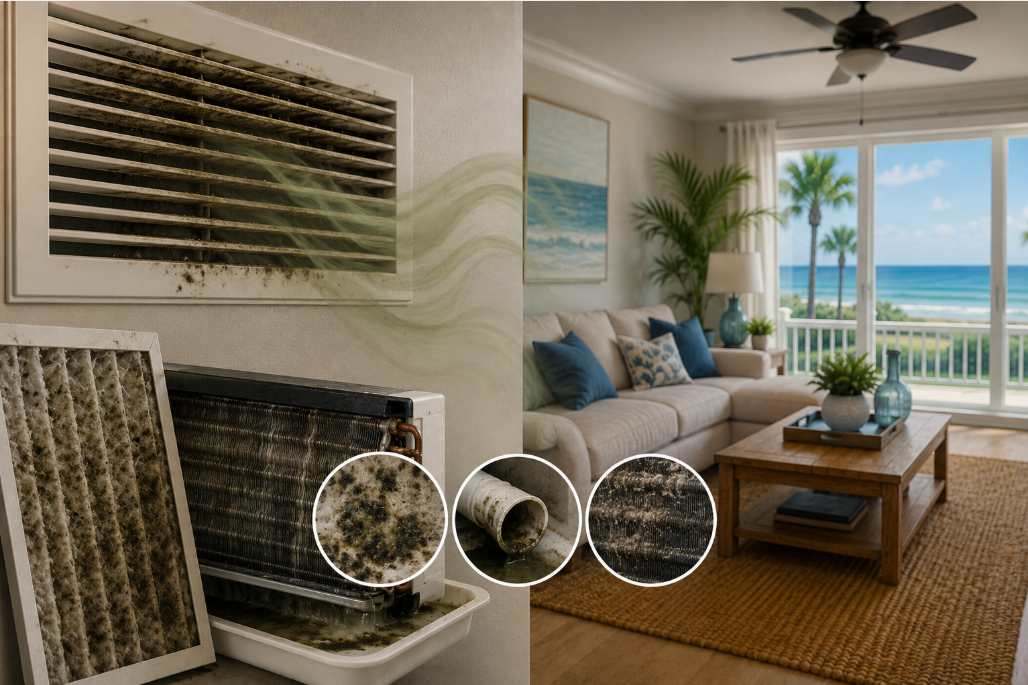
This persistent moisture can also lead to the growth of mold and mildew around compromised seals, further deteriorating the material and creating new pathways for air to escape.
Effects of Salt Air and Corrosive Environments
Salt particles carried by the coastal air are highly corrosive and can inflict damage on various components of your home, including ductwork. These airborne salts can slowly eat away at metal ducts and fasteners.
The constant exposure to a salty, humid atmosphere accelerates the breakdown of materials, making your ductwork more susceptible to developing small cracks and gaps that grow into significant leaks.
Your metal duct components, like joints and seams, are particularly vulnerable to rust and corrosion from the salt-laden air. This environmental stress weakens the structural integrity of your ductwork, leading to compromised seals and eventual air loss.
How Professionals Fix Duct Leaks
Addressing duct leaks requires a systematic approach from trained technicians. They begin with a thorough inspection of your entire duct system, often utilizing specialized tools like smoke machines or thermal cameras to pinpoint every compromised section. You will receive a detailed assessment outlining the extent of the damage and the most effective repair strategies. Once leaks are identified, professionals employ a combination of proven techniques to restore your ductwork’s integrity. Their goal is not just to patch visible holes, but to create an airtight seal that maximizes your system’s efficiency and your home’s comfort. You can expect a lasting solution that stands up to the unique coastal environment.
Precision Sealing with Mastic and Specialized Tapes
Sealing small cracks and gaps often involves applying high-quality mastic sealant. This flexible, non-hardening compound creates a durable, airtight bond over minor imperfections that might otherwise go unnoticed. You will find that mastic effectively prevents air loss from these smaller breaches. Larger openings or connections benefit from specialized, UL-listed foil tapes. These tapes are designed to withstand extreme temperatures and humidity, forming a strong, lasting seal over joints and seams. You can trust these materials to maintain their integrity even in the challenging coastal Texas climate.
Structural Repairs and Insulation Upgrades
Significant damage, such as crushed or disconnected duct sections, may necessitate structural repairs. Technicians will carefully re-align and re-secure these compromised areas, ensuring your ductwork maintains its proper shape and airflow path. You will notice a significant improvement in air distribution throughout your home. Upgrading insulation around your ductwork is another common professional recommendation, especially in coastal areas. This helps prevent energy loss through the duct walls and reduces condensation, further protecting your system from humidity-related issues. You can expect lower energy bills and a more consistent indoor temperature. These structural repairs and insulation upgrades are particularly beneficial in coastal Texas homes where the combination of high humidity and salt air can accelerate deterioration. By reinforcing the physical integrity of your ducts and enhancing their thermal barrier, professionals ensure your system operates at peak efficiency, resisting future damage and maintaining optimal indoor comfort and air quality for years to come.
Duct Inspection Services in Galveston
A professional duct inspection is the most reliable way to pinpoint hidden leaks and inefficiencies within your home’s air distribution system. You can gain a clear understanding of your ductwork’s condition, identifying areas where conditioned air might be escaping.
This proactive approach helps you address problems before they escalate, protecting your comfort and reducing unnecessary energy waste. Investing in an inspection can ultimately save you money on utility bills and extend the lifespan of your HVAC unit.
Local Expertise for Coastal Property Challenges
Understanding the unique environmental factors of Galveston is key to effective ductwork assessment. You need technicians who are familiar with how coastal humidity and salt air accelerate wear and tear on duct materials.
Our team possesses specific knowledge of these local challenges, allowing us to accurately diagnose issues often missed by less experienced providers. We offer tailored solutions designed to withstand the harsh coastal climate.
Comprehensive Airflow Audits and Pressure Testing
Precise airflow audits reveal exactly how air moves (or doesn’t move) through your entire duct system. You will receive detailed data on pressure imbalances and areas of significant air loss.
Pressure testing further quantifies the extent of leaks, pinpointing their exact locations with specialized equipment. This scientific approach ensures no leak goes undetected, providing a thorough assessment of your system’s integrity.
This detailed analysis goes beyond a visual check, providing you with concrete evidence of your ductwork’s performance. You’ll understand precisely where your system is losing efficiency, allowing for targeted and effective repairs that restore optimal airflow and comfort throughout your home.
Summing up
Following this, you have learned the significant impact leaky ductwork has on your coastal Texas home. You can now identify key indicators like uneven temperatures and increased energy consumption. Addressing these issues not only improves your comfort but also extends the life of your HVAC system and reduces your utility expenses. Your proactive approach to duct maintenance ensures a more efficient and comfortable living environment.
Your awareness of these signs allows you to take action before minor issues become major problems. A professional inspection and sealing can quickly resolve these hidden inefficiencies, returning your home to optimal performance. You will appreciate the immediate improvements in airflow, temperature consistency, and overall energy savings. Taking care of your ductwork means taking care of your home.
FAQ
Q: What are the most common indicators of leaky ductwork in coastal Texas homes?
A: Homeowners in coastal Texas often notice several signs pointing to leaky ductwork. High energy bills, especially during peak cooling seasons, are a primary indicator. You may also experience uneven cooling, where some rooms feel much warmer or colder than others despite the thermostat setting. Weak airflow coming from vents, a dusty home, or a continuous humming sound from the HVAC system are other strong clues. The AC unit might run constantly without reaching the desired temperature, indicating wasted energy.
Q: How does coastal Texas’s unique environment contribute to ductwork leaks?
A: The coastal Texas environment presents specific challenges for ductwork. High humidity levels can accelerate the deterioration of duct materials and seals over time. Salt air, prevalent in areas near the Gulf, is corrosive and can weaken metal components or mastic sealants. Frequent temperature fluctuations and strong winds can also put stress on duct connections, causing them to loosen or crack. These environmental factors make regular inspections even more important for homeowners in the region.
Q: Can leaky ductwork affect my indoor air quality in a coastal Texas home?
A: Yes, leaky ductwork can significantly impact indoor air quality. Ducts often run through unconditioned spaces like attics, crawl spaces, or wall cavities. When there are leaks, your HVAC system can pull in dust, mold spores, insulation fibers, and other contaminants from these areas and distribute them throughout your living spaces. This can worsen allergies, respiratory issues, and create a generally less healthy indoor environment, a concern particularly in humid coastal climates where mold thrives.
Q: What are the long-term consequences of ignoring leaky ductwork?
A: Ignoring leaky ductwork can lead to several long-term problems. Your HVAC system will work harder and run longer to compensate for lost air, leading to premature wear and tear on components like the compressor and blower motor. This can result in costly repairs or early system replacement. Energy waste will continue to drive up your utility bills. Persistent comfort issues, such as hot and cold spots, will diminish your home’s livability. Your system’s lifespan will likely shorten, requiring replacement sooner than necessary.
Q: What steps can a homeowner take to address suspected ductwork leaks?
A: Homeowners can start by performing a visual inspection of accessible ductwork in attics or basements, looking for obvious gaps, tears, or disconnected sections. You can also try the “smoke test” by holding a stick of incense near vents or duct connections to observe if smoke is drawn in or blown out. For a comprehensive solution, scheduling a professional duct inspection and sealing service is recommended. HVAC technicians use specialized tools to pinpoint leaks and apply durable sealants, such as mastic or professional-grade metallic tape, to restore efficiency and comfort.