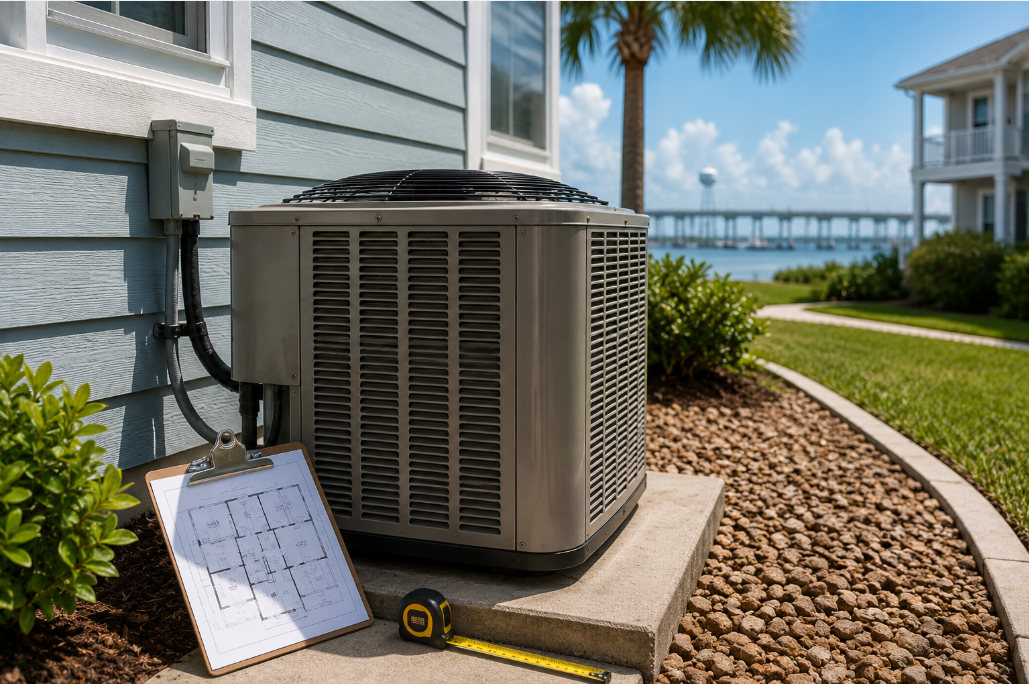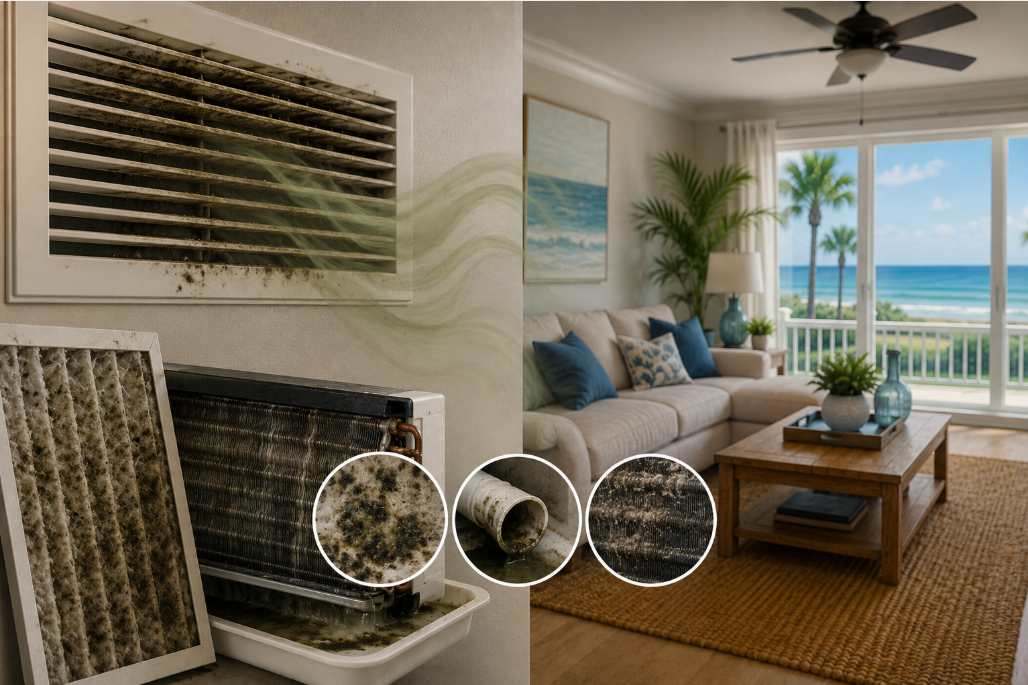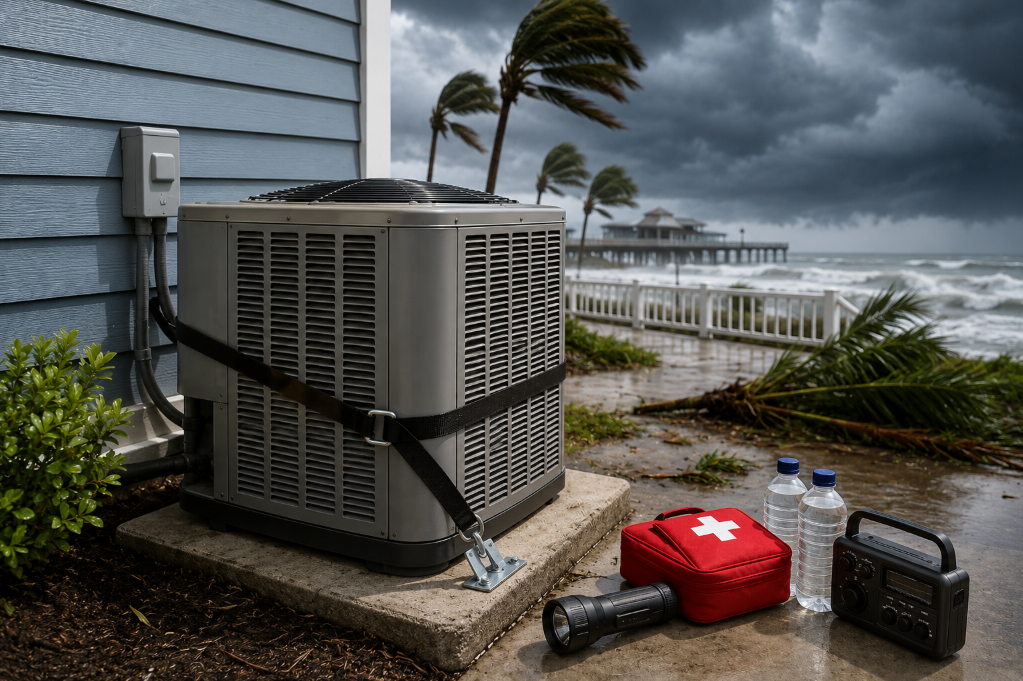
Protecting your system before a storm hits can significantly reduce potential damage. You can take several preventative steps to safeguard your AC unit from the fierce winds and heavy rains common in Galveston.
HVAC Prep Checklist for Hurricane Season 2026
Preparing for hurricane season means addressing both the physical security of your outdoor unit and the electrical integrity of your entire system. A little preparation now can prevent major headaches and costly repairs later.
Securing the Outdoor Condenser Unit
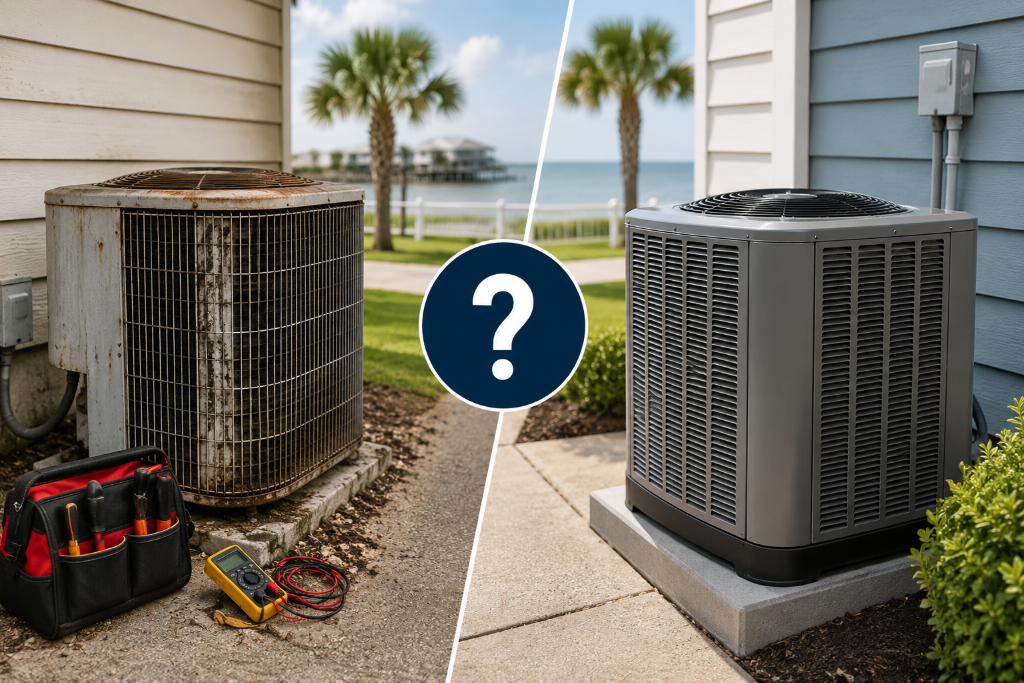
High winds can easily dislodge or damage your outdoor condenser unit, turning it into a projectile or exposing its internal components. You should clear any loose debris, such as branches, lawn furniture, or toys, from around the unit’s immediate area.
Consider anchoring your condenser unit if it isn’t already securely fastened to a concrete pad. You can purchase hurricane straps or specialized anchoring kits designed to withstand strong winds, providing an extra layer of protection.
Electrical Safeguards and Thermostat Management
Power surges are a common occurrence during and after hurricanes, posing a significant threat to your HVAC system’s delicate electronics. You should turn off your AC unit at the thermostat and, more importantly, at the circuit breaker before a storm makes landfall.
Disconnecting the power prevents your unit from attempting to operate during voltage fluctuations or when submerged in water, which can cause severe electrical damage. This simple action safeguards your system from unexpected power surges and potential short circuits.
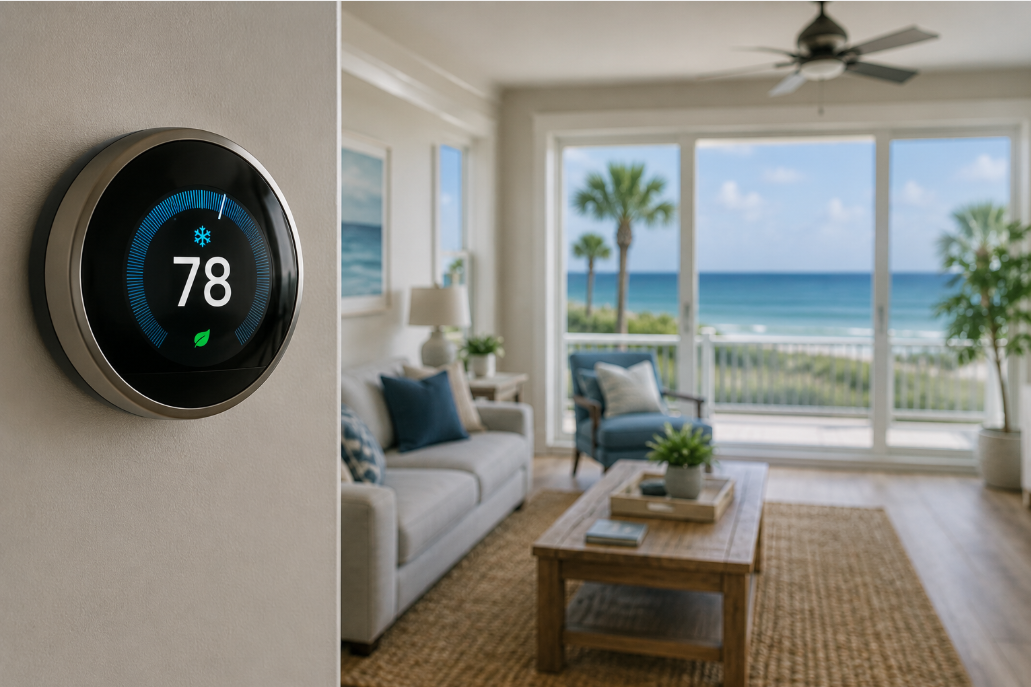
Turning off your AC at the breaker is a critical step to prevent damage from power surges or attempts to operate while submerged in water. A surge protector for your entire home can offer additional protection for all your electronics, including your HVAC system, from lightning strikes and other electrical anomalies. Setting your thermostat to “off” is a good initial step, but the circuit breaker provides a complete disconnect, ensuring no power reaches the unit during the storm’s unpredictable conditions.
What to Do After a Hurricane Hits
Even with the best preparation, hurricanes can cause unexpected damage. Once the storm passes and it’s safe to venture outside, your focus shifts to assessing and addressing any issues with your HVAC system. Your immediate actions after a hurricane can prevent further damage and ensure your system’s longevity. A systematic approach helps you identify problems before they escalate.
Safe Power Restoration Procedures
Never attempt to restore power to your HVAC system if you suspect it has been flooded or submerged. Water and electricity are a dangerous combination, posing a severe electrocution risk. Always wait for professional electricians to confirm that your home’s electrical system is safe before attempting to power on any appliances, including your AC. You must prioritize safety above all else.
Post-Storm Visual Inspection Protocol
Carefully examine your outdoor AC unit for any visible signs of damage. Look for dents, detached lines, or displaced components caused by flying debris. Check the area around your unit for standing water or mud, which indicates potential flooding. Any signs of water inside the unit itself require immediate professional attention. You should thoroughly check the fins, coils, and electrical connections for any foreign objects, such as leaves, branches, or even small pieces of fencing. These obstructions can hinder airflow and damage internal components if the system is turned on prematurely. Pay close attention to the base of the unit for signs of shifting or instability, which could compromise its functionality.
Signs Your HVAC System May Be Damaged After a Storm
Even with the best preparation, storms can still impact your HVAC system. Knowing what to look for after the winds subside and the waters recede helps you determine if professional intervention is necessary. Ignoring these warning signs can lead to more extensive and expensive repairs later. You should never turn your system back on if you suspect damage. A damaged unit can pose electrical hazards or worsen existing mechanical problems. Always prioritize safety and call a professional if any of these indicators are present.
Identifying Electrical Malfunctions and Strange Noises
Flickering lights or tripped breakers after you attempt to restart your AC signal potential electrical damage. Water intrusion or power surges can severely compromise wiring and internal components, creating dangerous short circuits. You might also notice a burning smell, which is a clear indicator of electrical trouble. Loud banging, grinding, or hissing sounds coming from your unit indicate internal mechanical damage. Debris can get lodged in the fan blades, or motors might be struggling due to water exposure. Any unusual noise warrants immediate investigation by a qualified technician.
Detecting Refrigerant Leaks and Blocked Airflow
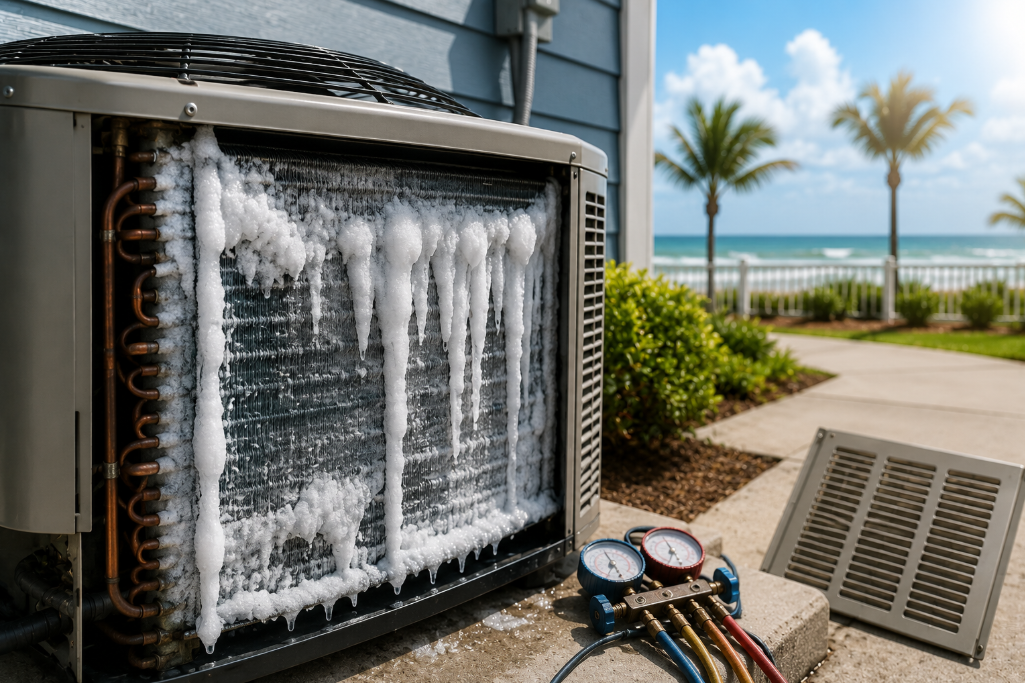
Warm air blowing from your vents, despite the AC running, suggests a potential refrigerant leak. Storm debris can puncture refrigerant lines, or connections might loosen from strong vibrations. You might also observe ice forming on the refrigerant lines outside your unit. Reduced airflow from your registers, or uneven cooling throughout your home, points to potential blockages. Debris, water, or even displaced insulation can obstruct the ductwork or clog the outdoor unit’s coils, hindering proper operation. A decrease in cooling efficiency often accompanies a refrigerant leak, as the system struggles to absorb and release heat effectively. Professionals can utilize specialized tools to pinpoint the exact location of any leaks and safely recharge your system with the correct refrigerant type.
Should You Have Your AC Inspected After Every Storm?
Even if your AC appears to be running normally after a storm, it’s always wise to schedule a professional inspection. Hidden damage from water intrusion or electrical surges might not be immediately obvious, but it can lead to bigger problems down the line. Protecting your investment means addressing potential issues proactively. A professional technician can thoroughly assess your system for subtle signs of damage that you might miss. This preventative measure helps ensure your AC continues to operate efficiently and safely, minimizing the risk of unexpected breakdowns during peak hurricane season.
Assessing the Risks of Hidden Internal Damage
Storms can introduce moisture into electrical components, leading to corrosion or short circuits over time. Debris, even small pieces, can become lodged in coils or fans, reducing efficiency and causing wear. These internal issues often go unnoticed without a trained eye. Power surges, common during hurricane season, can subtly degrade electrical wiring and components. This damage might not stop your AC immediately but can shorten its lifespan or cause intermittent failures, making a professional check important.
Importance of Professional Clearance for Warranty Protection
Many HVAC manufacturers require professional inspection and documentation of storm-related damage for warranty claims. Attempting DIY repairs after a storm could void your warranty, leaving you responsible for expensive repairs. A certified technician provides the necessary paperwork. Securing a professional assessment ensures that any repairs are performed according to manufacturer specifications, safeguarding your warranty. This documentation proves your system was professionally evaluated and maintained following a weather event, which is important if future issues arise. Having a certified HVAC technician inspect your system after a storm provides official documentation that your system was assessed and, if necessary, repaired by a qualified professional. This record is invaluable should you need to file a warranty claim for any storm-related damage discovered later, proving you followed proper post-storm protocols and maintained your system responsibly.
HVAC Services for Hurricane Preparation in Galveston County
Specialized Coastal Maintenance and Reinforcements
Protecting your HVAC system in Galveston’s unique coastal environment requires specialized attention. You should consider professional services that understand the specific challenges of saltwater corrosion and high winds.
These experts can implement solutions like hurricane straps for securing outdoor units and applying corrosion-resistant coatings, offering an extra layer of defense against the elements.
Emergency Response and Recovery Solutions for Local Residents
Even with the best preparation, storms can cause unexpected damage. You will need access to rapid emergency services to assess and repair your HVAC system quickly following a hurricane.
Quick action minimizes secondary damage and restores your home’s comfort and safety without delay.
Qualified technicians can provide comprehensive post-storm inspections, identifying hidden issues from water intrusion or electrical surges. They offer efficient repairs or replacements, working to get your system operational as soon as possible, helping you return to normal after the storm.
Conclusion
With this in mind, you have the power to safeguard your home’s comfort and your financial well-being during Galveston’s hurricane season. Taking proactive steps now, such as securing your outdoor unit and understanding when to power it down, will significantly reduce potential damage. Your preparedness today prevents costly repairs tomorrow.
You can protect your HVAC system and ensure your family stays comfortable even after a storm. A professional inspection after any significant weather event offers peace of mind and identifies hidden issues before they escalate. Prioritizing these preparations ensures your AC is ready for whatever the season brings.
FAQ
Q: What are the immediate steps I should take to prepare my outdoor AC unit for a hurricane in Galveston?
A: Start by clearing all loose debris from around your outdoor AC unit. This includes branches, toys, patio furniture, and anything else that strong winds could turn into projectiles. Consider covering the unit with a heavy-duty tarp and securing it with bungee cords or rope to protect it from flying objects and excessive rain. If your unit is in a flood-prone area, evaluate options for elevating it or creating a temporary barrier.
Q: How can I protect my AC system from power surges during a hurricane?
A: Power surges are a significant threat to HVAC electronics during and after a storm. The most effective way to protect your AC from surges is to turn off the power to your entire HVAC system at the main breaker panel before the storm hits. This disconnects the unit from the electrical grid, preventing damage from sudden voltage fluctuations or lightning strikes. You might also consider installing a whole-home surge protector for ongoing protection, but the breaker remains the most direct pre-storm action.
Q: My AC unit is in a low-lying area. What specific precautions should I take against flooding?
A: Flooding poses a serious risk to outdoor AC units, especially in coastal areas like Galveston. If your unit is in a low-lying or flood-prone spot, you can place sandbags around the base to create a temporary barrier against rising water. For more permanent solutions, discuss with an HVAC professional about elevating the unit on a concrete pad or specialized risers. Ensuring good drainage around the unit’s location can also help minimize water accumulation.
Q: What should I do immediately after a hurricane passes before attempting to restart my AC?
A: Do not turn your AC system back on immediately after a hurricane. First, conduct a thorough visual inspection of your outdoor unit. Look for any visible damage, such as bent fins, dislodged components, or signs of water intrusion into the electrical components. Check for debris inside the unit or around the fan blades. If you suspect any water damage, or if the unit was submerged, keep the power off at the breaker and contact a qualified HVAC technician for a professional inspection.
Q: When should I call a professional HVAC technician for inspection after a hurricane, even if my AC appears to be working?
A: It is always a good practice to have a professional HVAC technician inspect your system after a hurricane, especially if your area experienced significant wind, rain, or flooding. Even if your AC seems to be working, hidden damage to electrical components, refrigerant lines, or internal parts could lead to future breakdowns and safety hazards. A technician can identify subtle issues, clean out any lingering debris, and ensure your system operates safely and efficiently, potentially preventing more costly repairs down the line.