Most Galveston homeowners experience their AC freezing during summer. Your air conditioner’s evaporator coil can get too cold when airflow or refrigerant levels are off, causing ice buildup. This reduces cooling and can lead to a system shutdown. You can identify and address these issues to ensure your home stays cool.
Common Causes of a Frozen AC Unit: Airflow Obstructions
Your AC unit requires an unobstructed path for air to move freely through the system. Any blockage can drastically reduce the amount of warm air reaching the evaporator coil, causing its temperature to drop below freezing. This lack of proper air circulation is a primary culprit behind ice formation on your unit.
Restricted airflow prevents the warm indoor air from properly absorbing the cold produced by the refrigerant. When the coil doesn’t absorb enough heat, its surface temperature plummets, turning the moisture in the air into ice. Addressing these obstructions is key to maintaining a healthy, ice-free AC system.
The Impact of Clogged or High-MERV Air Filters on System Breathability
A dirty air filter is one of the simplest yet most common reasons for reduced airflow. Dust, pet dander, and other particles accumulate on the filter, creating a barrier that restricts air movement into your AC unit.
Using a filter with too high a MERV rating can also hinder airflow, even if it’s clean. While higher MERV filters trap more microscopic particles, they can also make your system work harder, potentially leading to a frozen coil due to insufficient air passing through.
Obstructed Return Air Grilles and Improper Furniture Placement
The return air grilles are where your AC unit draws in warm air from your home to be cooled. If these grilles are blocked, your system cannot pull in enough air, leading to a significant drop in pressure and temperature at the evaporator coil.
Placing furniture, curtains, or even decorative items directly in front of these grilles can severely impede airflow. You might not even realize how much air circulation you are blocking, causing your unit to struggle and eventually freeze up.
Ensuring clear pathways to all return air grilles is a simple yet effective way to prevent airflow issues. Walk through your home and check that no large items are directly against these openings. Even a few inches of clearance can make a substantial difference in your AC’s ability to operate efficiently and prevent freezing.
Accumulation of Dust and Debris on the Evaporator Coil Surface
Dust and debris don’t just affect your air filter; they can also build up directly on the evaporator coil itself. This layer of grime acts as an insulator, preventing the coil from absorbing heat effectively from the air passing over it.
When the coil can’t properly transfer heat, its surface temperature drops excessively, leading to the formation of ice. This accumulation often happens gradually, making it a subtle yet persistent problem for your AC system.
Regular professional maintenance includes cleaning the evaporator coil, which is crucial for maintaining its heat exchange efficiency. A clean coil ensures that warm air can properly interact with the refrigerant, preventing the temperature from dropping to freezing levels and keeping your system running smoothly.
Common Causes of a Frozen AC Unit: Mechanical and Refrigerant Failures
You understand the importance of proper airflow and refrigerant balance for your AC. When either of these critical elements is compromised, your evaporator coil can become excessively cold. This leads to moisture in the air freezing on the coil, creating the ice buildup you’re observing. Several underlying issues can contribute to this problem, beyond just dirty filters or blocked vents. Your system’s mechanical components or refrigerant levels might be at fault. These deeper problems require a professional assessment to prevent further damage and restore optimal cooling.
Identifying Refrigerant Leaks and Low System Charge
Your AC unit needs a precise amount of refrigerant to function correctly. A refrigerant leak means your system loses this imperative fluid, causing the pressure to drop. This low pressure makes the evaporator coil much colder than it should be, resulting in ice formation. You might notice your AC struggling to cool your home effectively, even running constantly. This is a common indicator of a low system charge. Visible ice on the refrigerant lines outside your unit can also point to a leak.
Malfunctioning Blower Motors and Reduced Fan Velocity
Proper airflow across the evaporator coil is imperative to prevent freezing. A failing blower motor cannot move air effectively, reducing the fan’s velocity. This lack of air movement allows the coil to become too cold, causing moisture to condense and freeze. You might hear unusual noises coming from your indoor unit, or simply feel very weak airflow from your vents. These are strong indicators that your blower motor may be struggling. Reduced fan velocity directly impacts the heat exchange process, making the coil excessively cold. A malfunctioning blower motor not only causes your AC to freeze but also reduces the overall efficiency of your system. Your unit will work harder to try and cool your home, consuming more energy without achieving the desired temperature. This added strain can lead to premature wear and tear on other components, potentially resulting in more costly repairs down the line. Addressing blower motor issues promptly ensures consistent airflow and prevents further damage to your AC system.
Faulty Thermostats and Inaccurate Temperature Sensing
Your thermostat acts as the brain of your AC system, telling it when to turn on and off. If this device is faulty, it might incorrectly sense the room temperature, causing your unit to run continuously. This extended operation without proper cycling can lead to the evaporator coil getting too cold and freezing. You might notice your home feels colder than the thermostat setting, or that your AC just never seems to shut off. An inaccurate temperature reading prevents your system from cycling appropriately. This constant running overcools the coil, leading to ice formation. A faulty thermostat can disrupt the delicate balance your AC needs to operate efficiently. When the thermostat provides inaccurate temperature readings, your system may either short-cycle, turning on and off too frequently, or run for excessively long periods. Both scenarios put undue stress on your AC components and can lead to freezing. Ensuring your thermostat is calibrated and functioning correctly is a simple yet effective way to prevent your AC from overworking and freezing up.
Common Thermostat Issues Leading to Freezing
| Problem | Impact on AC |
| Inaccurate Temperature Reading | Causes AC to run longer than needed, overcooling the coil. |
| Faulty Wiring or Sensors | Prevents correct communication with the AC unit, leading to continuous operation. |
Signs Your AC Is Freezing Up: Identifying the Red Flags
Recognizing the early warning signs of a freezing AC can save you from a complete system breakdown during Galveston’s sweltering heat. Paying close attention to your unit’s behavior helps you address the problem before it escalates into a larger, more costly repair. Your system will often give clear indicators when it’s struggling. Look for these specific signals that suggest your AC’s evaporator coil is turning into an ice block rather than cooling your home.
Visual Inspection of Frost on Copper Lines and the Exterior Unit
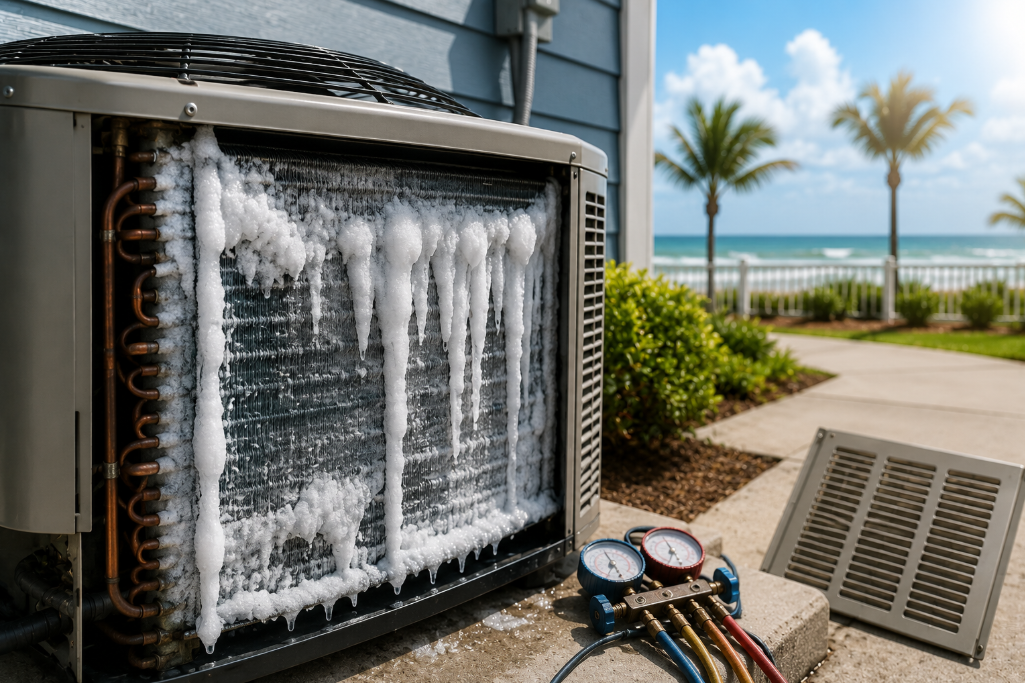
One of the most obvious indicators is visible ice. You might see a layer of frost or ice forming on the copper refrigerant lines that connect to your outdoor unit. This icy buildup signifies that the system’s internal temperatures are dropping too low. Check your outdoor compressor unit as well. Sometimes, ice can accumulate on the fins or even around the fan, making it difficult for the unit to operate efficiently. This ice is a direct result of the freezing evaporator coil inside.
Weak Airflow and Warm Air Emanating from Supply Vents
You might also notice a significant decrease in the strength of the air coming from your vents. The airflow can feel weak, almost like a gentle breeze, even when your system is set to high. This reduced airflow is a direct consequence of ice blocking the evaporator coil. Your system may also start blowing warm air instead of cool. Even though the thermostat is set for cooling, the air coming out feels tepid. The ice buildup prevents the coil from absorbing heat effectively, meaning the air isn’t being properly cooled before it circulates. The presence of ice on the evaporator coil severely restricts the passage of air. As the ice grows, it acts as a barrier, preventing the blower fan from pushing cooled air efficiently through your ductwork and into your living spaces. This blockage not only reduces the volume of air but also compromises its temperature, leading to the warm, weak air you feel.
Excessive Condensation and Water Leakage Around the Indoor Air Handler
Another key sign involves moisture. You might observe an unusual amount of condensation around your indoor air handler or furnace. This excess moisture often appears as droplets on the unit’s exterior. Look for puddles or drips of water on the floor near your indoor unit. As the ice on the evaporator coil melts, it can overwhelm the condensate drain pan, causing water to overflow and leak into your home. When the evaporator coil freezes, the ice takes up more volume than the liquid water it becomes when it melts. This increased volume of water can quickly exceed the capacity of your condensate drain pan and line. The overflow then leads to water leakage, potentially causing damage to ceilings, walls, or flooring around your indoor air handler.
Why This Happens More Often in Galveston Homes: The Gulf Coast Factor
Your AC system in Galveston faces unique environmental stresses that amplify the risk of freezing. The relentless heat and oppressive humidity of the Gulf Coast push your unit to its limits, often leading to conditions ripe for ice formation on the evaporator coils. These specific regional challenges demand a more proactive approach to AC maintenance and understanding the underlying causes of coil freeze-up.
The Correlation Between Extreme Coastal Humidity and Coil Frosting
The air in Galveston carries an exceptional amount of moisture, creating a constant battle for your AC system. When this super-humid air passes over an evaporator coil that is already too cold due to airflow issues or low refrigerant, the moisture quickly condenses and freezes. This continuous cycle of high humidity and a struggling AC unit makes coil frosting a far more frequent occurrence here than in drier climates. You will notice your system working overtime to remove this excess moisture.
Salt Air Corrosion and Its Impact on Aluminum Fin Integrity
The salty air prevalent along the Galveston coast is highly corrosive to the delicate aluminum fins on your AC’s outdoor unit. This constant exposure slowly degrades the metal, leading to pitting and reduced efficiency. Damaged fins hinder the system’s ability to properly exchange heat, forcing the unit to work harder and potentially causing the evaporator coil to drop below freezing point. Corrosion compromises the integrity of the heat exchange surface, making it harder for your AC to dissipate heat effectively. This increased strain on the system can contribute to the coil getting excessively cold and freezing up, especially when combined with other issues like low refrigerant.
Unique Regional Challenges in Attic Ventilation and Insulation
Attics in Galveston homes often contend with extreme heat and humidity, which can significantly impact your AC’s performance. Poor ventilation traps hot, moist air, making your system work harder to cool your living space. Inadequate insulation allows more heat to transfer into your home, forcing your AC to run longer cycles and increasing the likelihood of coil freeze-up. The intense heat absorbed by roofs in Galveston can superheat attic spaces, making proper ventilation and insulation absolutely critical. If your attic isn’t effectively managed, the heat load on your home becomes immense, pushing your AC system beyond its designed capacity and making it more prone to freezing.
The Science of the Evaporator Coil: Heat Exchange Dynamics
Your AC’s evaporator coil acts as the heart of its cooling process. It’s a network of tubes filled with cold refrigerant, designed to absorb heat from the warm indoor air that passes over it.
This heat exchange transforms the liquid refrigerant into a gas, effectively removing heat and humidity from your home and leaving you with cooler, drier air.
Latent vs. Sensible Heat Loads in High-Moisture Environments
You contend with both sensible and latent heat in Galveston’s humid climate. Sensible heat refers to the dry heat that raises the air temperature, which your AC readily removes.
However, latent heat is the energy stored in water vapor, which your system must also extract to dehumidify your home. This process requires significant energy and can push your AC to its limits.
The Dew Point Factor and Its Influence on Cooling Efficiency
The dew point is the temperature at which air becomes saturated with moisture and condensation begins to form. Your AC’s evaporator coil must operate below this temperature to effectively dehumidify your home.
When the coil’s surface temperature drops too low, below freezing, the moisture in the air can condense and freeze onto the coil instead of draining away as water.
This ice accumulation on your evaporator coil significantly reduces its ability to absorb heat and dehumidify your home. The frozen layer acts as an insulator, blocking the transfer of heat from the air to the refrigerant. This diminished efficiency forces your system to work harder and longer, consuming more energy and potentially leading to system damage or a complete shutdown.
How Proper Airflow Velocity Prevents Ice Nucleation
Adequate airflow over the evaporator coil is crucial for efficient heat transfer. A strong, consistent breeze ensures that warm indoor air continuously bathes the cold coil, preventing any single spot from becoming excessively cold.
Restricted airflow, often caused by dirty filters or blocked vents, means less warm air reaches the coil. This allows the coil’s surface to drop below freezing, creating prime conditions for moisture to condense and freeze into ice.
Maintaining proper airflow velocity is crucial for preventing the formation of ice on your evaporator coil. When air moves too slowly across the coil, the surface temperature can drop below freezing, allowing moisture to crystalize. A robust airflow ensures that the coil consistently interacts with warmer air, keeping its surface temperature above freezing and allowing condensation to drain away as intended, thus preserving your system’s efficiency and preventing costly repairs.
What to Do If Your AC Is Frozen: Immediate Troubleshooting Steps
Executing a Safe System Shutdown to Protect the Compressor
The first action you should take involves turning off your air conditioning system completely. This immediate shutdown prevents further damage to the compressor, which can be strained when operating against a block of ice.
Allowing the system to rest and defrost naturally is key. Resist the urge to chip away at the ice, as this can easily damage delicate components within the unit.
Utilizing the Fan-Only Mode to Accelerate the Thawing Process
Once the cooling function is off, switch your thermostat to “fan-only” mode. This setting circulates air over the evaporator coil without engaging the compressor or refrigerant.
Moving air helps melt the ice more quickly than simply letting it sit. This process can significantly reduce the time it takes for your unit to fully defrost.
Operating the fan in this manner helps to circulate warmer ambient air across the frozen coil. This gentle airflow aids in the natural melting process, allowing the accumulated ice to convert back into water and drain away as intended. It’s a safe and effective method to speed up defrosting without introducing stress to the system.
Monitoring and Managing Water Runoff to Prevent Property Damage
As the ice melts, water will begin to drain from your unit. Be prepared to manage this runoff, especially if your indoor unit is in an attic or above a ceiling.
Place towels or shallow pans beneath the unit to catch any excess water. This proactive step helps prevent potential water damage to your home’s structure or belongings.
Careful attention to the drainage during defrosting is important. A clogged condensate line, which might have contributed to the freezing in the first place, could overflow once the ice melts. Ensuring the area around your indoor unit is protected from water overflow can save you from costly repairs to ceilings, walls, and flooring. Regularly check the drip pan and ensure the drain line is clear to allow for proper water removal.
Professional Diagnostic Procedures for Frozen Systems
When your AC continues to freeze after basic troubleshooting, a professional technician will employ a series of precise diagnostic steps. These procedures move beyond simple checks to uncover the underlying mechanical or electrical failures causing the ice buildup.
Technicians use specialized tools and their expertise to methodically pinpoint the exact source of the problem. This ensures a lasting repair, preventing future freezing incidents and restoring your system’s optimal performance.
Utilizing Manifold Gauges for Precise Refrigerant Pressure Analysis
A professional will connect manifold gauges to your AC system’s service ports. These gauges provide real-time readings of both high and low-side refrigerant pressures, offering a clear picture of your system’s operational status.
Analyzing these pressure readings helps determine if your system has too much or too little refrigerant. Both conditions can lead to the evaporator coil getting too cold and freezing over.
Testing Electrical Components and Blower Motor Capacitor Health
Your technician will meticulously inspect various electrical components within your AC unit. This includes checking the thermostat, relays, contactors, and wiring for any signs of damage or malfunction that could disrupt proper operation.
Another critical step involves testing the blower motor capacitor. A failing capacitor can prevent the blower fan from operating at its correct speed, leading to reduced airflow and potential freezing issues.
A weak or faulty capacitor often manifests as a blower fan that struggles to start or runs slowly. This reduced airflow means less warm air passes over the evaporator coil, causing it to become excessively cold and freeze.
Conducting Comprehensive Leak Detection Tests on the Evaporator Coil
Locating refrigerant leaks is a precise process that requires specialized equipment. A technician will use electronic leak detectors, UV dye, or soap bubble solutions to identify even the smallest breaches in your system.
The evaporator coil is a common site for leaks due to its design and constant temperature fluctuations. Detecting and repairing these leaks is vital to restore proper refrigerant levels and prevent future freezing.
Refrigerant leaks, even tiny ones, cause a gradual drop in refrigerant levels. This reduction in refrigerant means the evaporator coil can’t absorb heat effectively, leading to a significant drop in its surface temperature and subsequent ice formation.
The Impact of High Humidity on System Dehumidification Cycles
Galveston’s oppressive humidity forces your AC to perform a dual role: cooling your home and removing excess moisture. This constant battle against high humidity places immense strain on your system, often pushing it beyond its intended capacity for dehumidification.
When the air holds too much water vapor, your AC struggles to effectively condense it, leading to a colder-than-normal evaporator coil. This overworked state creates the perfect conditions for ice formation, hindering your system’s ability to keep you comfortable.
How Excess Moisture Overwhelms the Standard Cooling Cycle
Your AC unit is designed to remove a certain amount of moisture as it cools the air. However, the extreme humidity levels common in coastal areas frequently exceed this design capacity.
High moisture content in the air means the evaporator coil must work harder to condense water vapor, causing its surface temperature to drop excessively. This lower temperature, combined with continuous moisture exposure, quickly leads to ice accumulation on the coil.
The Benefits of Integrating Whole-Home Dehumidifiers in Coastal Climates
Consider a dedicated whole-home dehumidifier as a powerful ally in your fight against Galveston’s humidity. These systems work independently of your AC, specifically targeting and removing excess moisture from your entire living space.
By offloading the dehumidification burden from your air conditioner, you allow your AC to focus solely on cooling. This reduces stress on your system, prevents freezing, and significantly improves overall comfort levels in your home.
Adding a whole-home dehumidifier not only protects your AC from freezing but also creates a more comfortable and healthier indoor environment. You will notice less stickiness, a reduction in potential mold and mildew growth, and improved air quality.
Balancing Indoor Air Quality with Maximum Operational Efficiency
Achieving optimal comfort and efficiency involves more than just temperature control; it includes maintaining excellent indoor air quality. A well-balanced system prevents your AC from overworking while ensuring the air you breathe is clean and healthy.
Regular maintenance, including filter changes and professional inspections, is key to both efficiency and air quality. These practices ensure your system runs smoothly, prevents issues like freezing, and keeps your home comfortable.
Maintaining proper indoor air quality goes hand-in-hand with operational efficiency. A system that is not battling excessive humidity or restricted airflow can circulate air more effectively, filter out allergens, and provide a consistently comfortable environment without unnecessary strain or energy consumption.
Financial and Structural Risks: The Dangers of Ignoring a Frozen Unit
Ignoring a freezing AC unit extends beyond mere discomfort; it introduces serious financial and structural risks to your home and system. This seemingly minor issue can quickly escalate into significant damage, affecting both your wallet and your indoor environment.
Delaying a professional inspection when your unit consistently freezes places your entire HVAC system in jeopardy. The continuous stress on components from operating while frozen can lead to premature wear and catastrophic failures.
Potential for Permanent Compressor Failure and Costly Replacement
A frozen evaporator coil forces your compressor to work overtime, straining its internal mechanisms. This constant overexertion can lead to the compressor overheating and ultimately failing.
Replacing a compressor is one of the most expensive AC repairs, often rivaling the cost of a brand-new unit. You could face a substantial bill if you let the problem persist.
Risk of Mold Growth Resulting from Unmanaged Condensation
When your AC unit freezes and then defrosts, it creates a significant amount of excess moisture. This unmanaged condensation can pool in areas not designed for constant water exposure.
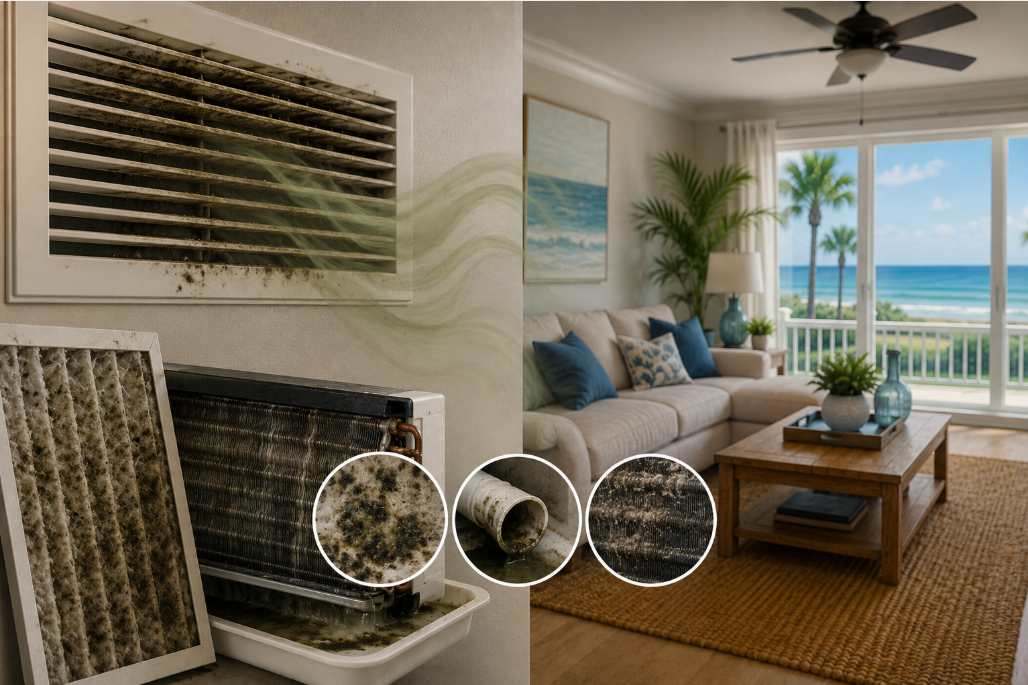
This damp environment becomes an ideal breeding ground for mold and mildew within your ductwork and around the unit. Mold spores can quickly spread throughout your home, impacting air quality and potentially causing health issues for occupants.
Mold growth not only poses health risks but also leads to unpleasant odors and can require costly professional remediation. Addressing the frozen unit promptly prevents this chain reaction of moisture and mold.
Increased Energy Consumption and Escalating Utility Costs
An AC unit struggling with a frozen coil works inefficiently, consuming far more electricity than necessary. The system attempts to reach your desired temperature, but the ice buildup prevents effective heat exchange.
Your utility bills will reflect this inefficiency, showing a noticeable spike in energy consumption. You will pay more for less cooling, necessaryly throwing money away on a malfunctioning system.
Operating a frozen unit means you are paying premium prices for subpar performance. Addressing the freezing issue quickly restores your AC’s efficiency and helps keep your energy costs in check, saving you money in the long run.
Modern Solutions: Upgrading Systems for the Galveston Climate
Considering the unique challenges of Galveston’s climate, upgrading your AC system offers a proactive approach to preventing freezing issues. Newer technologies are specifically designed to handle intense humidity and prolonged operation, providing greater reliability. Investing in a modern system can significantly reduce the likelihood of your unit freezing while also improving overall efficiency. These advanced units offer features that directly combat the environmental stressors your AC faces daily.
The Advantages of Variable-Speed Blower Technology
You will experience consistent comfort with variable-speed blower technology. This innovation precisely controls airflow, preventing the evaporator coil from getting excessively cold and minimizing ice formation. These systems adapt to your home’s needs, running at lower speeds for longer durations. This gentle, continuous operation not only prevents freezing but also enhances dehumidification, making your home feel cooler.
Implementing Corrosion-Resistant Coatings for Coastal Longevity
Protect your investment from the harsh coastal environment with corrosion-resistant coatings. These specialized treatments shield your outdoor unit’s coils and components from salt air and humidity, which are significant contributors to system degradation. Your AC unit will maintain its efficiency and structural integrity for years longer thanks to these protective barriers. This proactive measure prevents costly repairs and premature system failure in the salty Galveston air. These coatings are specifically engineered to withstand the corrosive effects of airborne salt and moisture, common in coastal areas. They create a protective layer that extends the life of critical components, ensuring your system performs optimally without succumbing to rust and wear.
Transitioning to High-Efficiency Units with Advanced Humidity Control
You can significantly reduce energy consumption and improve indoor comfort by choosing high-efficiency units. These systems are engineered to manage humidity levels more effectively, a key factor in preventing coil freeze-ups. These advanced units feature sophisticated controls that actively monitor and adjust operations to maintain optimal humidity, even during the most sweltering Galveston days. This precise management prevents the excess moisture that often leads to freezing.
- Enhanced dehumidification capabilities directly address the root cause of freezing in humid climates.
- Superior energy efficiency translates to lower utility bills, even with continuous operation.
- Quieter operation provides a more peaceful home environment.
- Longer lifespan due to reduced stress on components from constant freezing and thawing cycles.
Benefits of High-Efficiency Units
| Benefit | Description |
| Energy Savings | Lower operating costs due to optimized performance. |
| Improved Comfort | Consistent temperatures and reduced humidity levels. |
| Extended Lifespan | Less wear and tear on components, leading to greater durability. |
AC Repair Services in Galveston, TX: Choosing the Right Technician
Finding the right AC repair service in Galveston means looking beyond the first search result. You want a technician who understands the specific demands our coastal environment places on your cooling system. Your choice will impact not only the immediate fix but also the long-term health of your AC. A qualified professional can quickly diagnose the root cause of your AC’s freezing issue, whether it’s a simple filter change or a more complex refrigerant leak. They possess the tools and expertise to address these problems efficiently, restoring comfort to your home.
Verifying Licensing, Insurance, and Specialized Coastal Experience
Always confirm that any AC technician you consider holds current licensing and comprehensive insurance. This protects you from liability and ensures they meet professional standards. A properly licensed technician demonstrates their commitment to industry best practices. Ask about their experience with AC systems in coastal environments like Galveston. Salt air and humidity can accelerate wear and tear, requiring specific knowledge for effective repairs and maintenance. You need someone familiar with these unique challenges.
Evaluating Local Reputation and Emergency Response Capabilities
Check online reviews and ask for local references to gauge a company’s reputation. A strong history of customer satisfaction indicates reliable service and trustworthy technicians. Their past performance offers a good indicator of future quality. Inquire about their emergency response times, especially during peak summer months. A freezing AC often requires prompt attention, and knowing a company can respond quickly provides immense peace of mind. You want a team that prioritizes your comfort when problems arise. A reputable company will have a clear process for handling urgent service calls. They understand that a broken AC in Galveston’s heat isn’t just an inconvenience; it can be a health concern. Their ability to dispatch technicians promptly can make a significant difference in how long you endure uncomfortable temperatures.
Understanding the Value of Preventative Maintenance Service Agreements
Consider signing up for a preventative maintenance service agreement with a trusted local company. These plans often include regular inspections and cleanings, which can prevent common issues like frozen coils. Proactive care extends the life of your unit. These agreements can also offer priority scheduling and discounts on repairs, saving you money and hassle in the long run. Investing in preventative maintenance is a smart way to avoid unexpected breakdowns during the hottest parts of the year. A comprehensive maintenance plan typically includes checking refrigerant levels, cleaning coils, inspecting electrical components, and ensuring proper airflow. These routine checks catch small issues before they escalate into major, costly repairs. You gain peace of mind knowing your system is regularly evaluated by professionals who understand the specific stresses of a Galveston summer.
To wrap up
Ultimately, keeping your air conditioner running smoothly in Galveston’s intense summer heat requires proactive attention. You can prevent inconvenient freeze-ups and ensure consistent cooling by addressing common culprits like dirty filters and low refrigerant levels. Regular maintenance by a qualified professional will extend your system’s lifespan and save you from discomfort and costly emergency repairs.
Your comfort depends on a well-functioning AC. Do not ignore the signs of a freezing unit. Take action quickly to defrost the system and consult with an HVAC expert if problems persist. Maintaining your AC allows you to enjoy a cool home throughout the long, hot Galveston summer. If your AC is starting to freeze up, contact us at Alex’s Air Conditioning today.
FAQ
Q: Why is my AC freezing up in Galveston’s summer heat, even though it’s so hot outside?
A: Your air conditioner freezing up is often a sign of insufficient airflow or low refrigerant. The evaporator coil, which absorbs heat from your home, gets too cold when air cannot move over it effectively or when there isn’t enough refrigerant to properly cycle. This causes moisture in the air to condense and freeze onto the coil, forming a layer of ice. Galveston’s intense heat and humidity make the problem more noticeable because your AC works harder and longer, exacerbating underlying issues.
Q: What are the common reasons an AC unit freezes in a humid climate like Galveston?
A: Several factors contribute to an AC unit freezing. A very common culprit is a dirty air filter, which restricts airflow over the evaporator coil. Blocked return or supply vents, closed dampers, or furniture obstructing airflow also cause issues. Low refrigerant levels, often due to a leak, prevent the system from absorbing heat efficiently, making the coil excessively cold. A malfunctioning blower fan or motor can also reduce airflow. Lastly, a clogged condensate drain line can lead to water backing up and freezing if temperatures drop too low around the coil.
Q: What should I do immediately if I see ice on my AC unit or refrigerant lines?
A: The first step is to turn off your air conditioner immediately. Continuing to run a frozen AC can cause serious damage to the compressor and other components. Allow the unit to defrost completely, which can take several hours depending on the amount of ice. You can speed up the process by turning on the fan-only mode if your system has one, but avoid using sharp objects to chip away ice as this can damage the coils. While it’s defrosting, check your air filter and replace it if it’s dirty.
Q: Can I prevent my AC from freezing up during Galveston’s hot summers?
A: Yes, proactive maintenance significantly reduces the risk of your AC freezing. Replace your air filter every 1-3 months, especially during peak cooling season. Ensure all supply and return vents are open and unobstructed. Schedule annual professional AC maintenance; a technician can check refrigerant levels, clean coils, inspect the blower fan, and identify potential issues before they cause a freeze-up. Proper insulation and sealing air leaks in your home also reduce the workload on your AC, helping it run more efficiently.
Q: When should I call a professional HVAC technician for a frozen AC unit?
A: You should contact a professional HVAC technician if your AC continues to freeze after you’ve defrosted it, replaced the air filter, and checked for obvious airflow obstructions. Recurring freezing often indicates a more complex problem, such as a refrigerant leak, a faulty blower motor, a malfunctioning thermostat, or issues with the evaporator coil itself. A technician has the tools and expertise to accurately diagnose the root cause, safely repair the system, and prevent future freeze-ups, ensuring your AC operates reliably throughout Galveston’s intense summer.