Introduction
For Texas homeowners, an HVAC system is more than just a convenience; it is essential for comfort, health, and safety. Long, humid summers place a heavy burden on air conditioning systems, and even brief cold snaps in winter can create significant challenges if heating equipment is unreliable. Like all complex mechanical systems, HVAC units degrade over time. What begins as a minor issue can quickly escalate into a major failure if left unchecked.
Recognizing early signs of HVAC system failure is critical. By understanding subtle warnings, homeowners can avoid costly repairs, extend the lifespan of their system, and maintain energy efficiency. Early detection also ensures that indoor air quality remains high, protecting family health and home comfort. This article explores common indicators of system problems and provides guidance for addressing them before they escalate.
The Importance of Early Detection
HVAC problems rarely occur without warning. Small malfunctions such as a noisy motor, irregular airflow, or increased energy consumption are often precursors to more serious issues. Ignoring these signals can result in a cascade of complications: higher utility bills, reduced system performance, and even health risks from poor indoor air quality or mold growth.
Homeowners who monitor their systems carefully and respond promptly are more likely to prevent costly emergency repairs. Early detection allows for strategic maintenance, ensuring that your system remains efficient and reliable. In a climate like Texas, where heatwaves can strain equipment, proactive care is especially important.
Identifying Unusual Noises
One of the earliest indicators of trouble is sound. An HVAC system that once operated quietly may begin emitting strange noises, which often indicate underlying mechanical stress. A persistent rattling could be caused by loose components or debris within the unit, while hissing sounds often point to refrigerant leaks. Grinding noises typically signify wear on the motor or its bearings, and clicking sounds may reveal electrical issues such as failing relays or thermostat wiring.
Although these noises may seem minor initially, they signal stress on key components. Addressing them early not only prevents complete system failure but also avoids more costly repairs down the line. A timely inspection by a qualified HVAC technician can identify the root cause and restore normal operation before it becomes a serious problem.
🔗 Related: Ductwork Matters: Improve Efficiency and Indoor Air Quality for Texas Homes
Airflow Irregularities and Temperature Inconsistencies
Another subtle sign of system strain is inconsistent airflow or uneven temperatures throughout the home. Some rooms may feel noticeably warmer or cooler than others, or vents may emit weaker airflow than expected. These symptoms often point to issues such as clogged or dirty filters, leaks in ductwork, or problems with the blower motor. In some cases, low refrigerant levels can also contribute to diminished performance.
Inconsistent temperatures not only reduce comfort but force the system to work harder, increasing energy consumption and accelerating wear on internal components. By recognizing these patterns early, homeowners can schedule inspections and corrective maintenance before minor inefficiencies become major breakdowns.
Rising Energy Costs as a Warning Sign
A gradual increase in monthly energy bills can indicate that your HVAC system is struggling. While seasonal changes can account for some fluctuations, unexplained spikes often reflect inefficiencies within the system. Dirty coils, worn compressors, or leaks in ductwork can force the system to operate longer or less efficiently, drawing more electricity to achieve the desired temperature.
Monitoring energy consumption over time can provide homeowners with valuable insight into system performance. Comparing current bills with historical averages can help identify issues before they escalate into major repairs, allowing for timely intervention.
🔗 Related: Energy-Efficient HVAC Upgrades: What’s Worth It in 2025?
Odors and Air Quality Changes
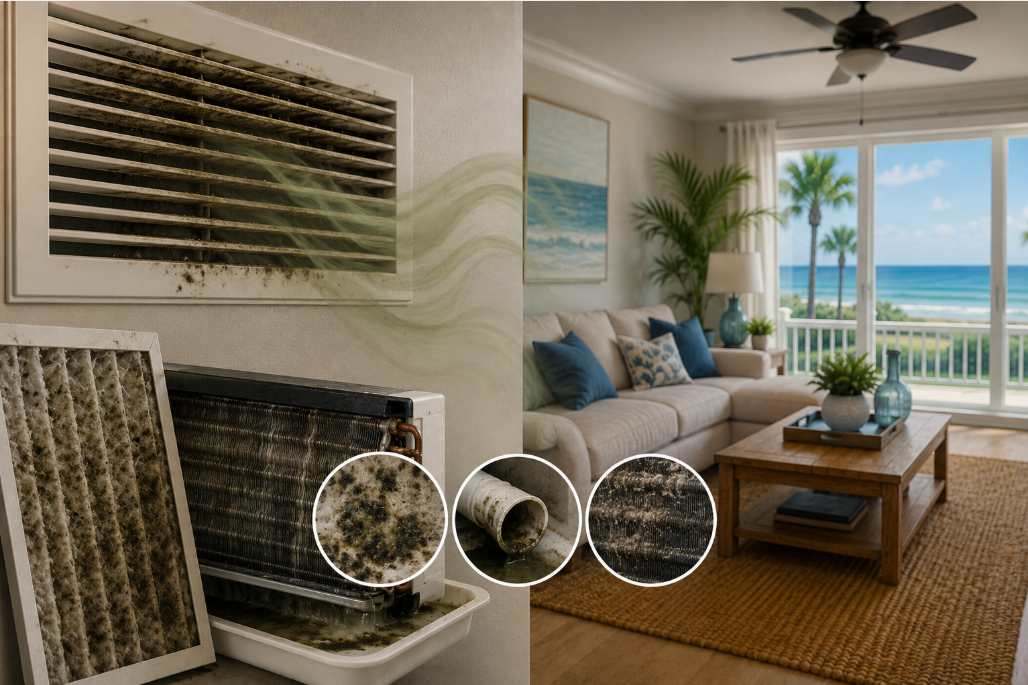
The air circulating through your home can provide early clues to system health. Unpleasant or unusual odors often point to mechanical or environmental problems. Musty or moldy scents suggest mold growth within the ducts or coils, while a burning smell may indicate electrical overheating or a failing motor. Chemical odors can signal refrigerant leaks, which require immediate professional attention.
Declining indoor air quality may also manifest as increased dust accumulation or more frequent allergy symptoms. In Texas, where pollen and dust are prevalent, ensuring the HVAC system maintains clean airflow is critical for health and comfort. Timely detection of odor and air quality changes can prevent more serious health concerns and maintain system efficiency.
🔗 Related: Allergens, Humidity Control, and Modern Air Purification Solutions
Moisture and Leaks Around the System
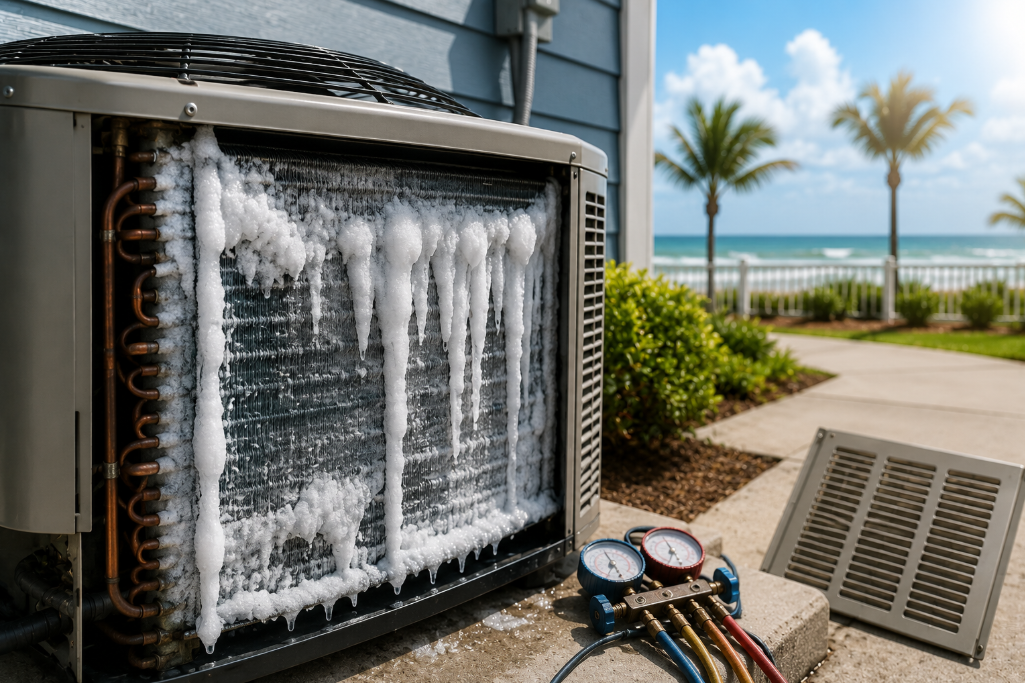
Excess moisture around an HVAC unit or in the ductwork is another early warning sign. Standing water or condensation can indicate clogged condensate drains, refrigerant leaks, or, in gas-powered systems, issues with the heat exchanger. Over time, these conditions can foster mold growth and structural damage, as well as reduce system efficiency. Regular inspection of condensate lines and drip pans is an essential part of preventative care.
The Role of System Age and Maintenance History
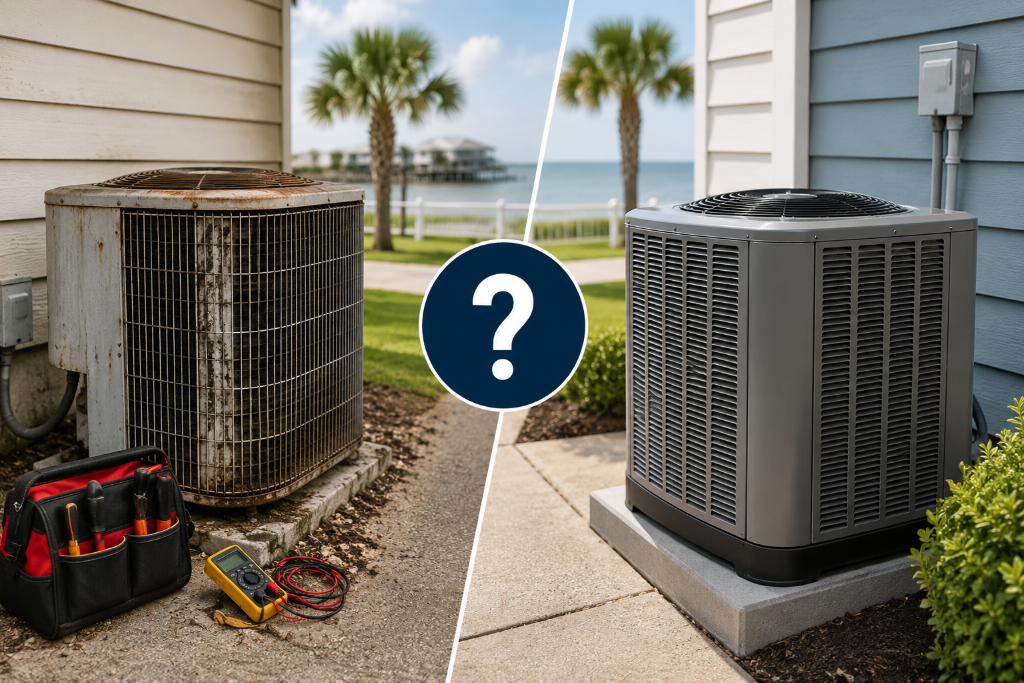
Even without overt warning signs, the age of your system is an important factor in anticipating failure. Most HVAC systems last between twelve and fifteen years. As units approach this age, components naturally wear out, and the frequency of required repairs typically increases. Systems that require repeated fixes may be better candidates for replacement than continued patchwork repairs.
Homeowners should also consider energy efficiency when evaluating older systems. Aging units often consume significantly more electricity than modern, high-efficiency alternatives. Keeping detailed records of maintenance and repair costs can inform timely decisions and prevent unexpected failures during extreme Texas weather.
Proactive Steps for Homeowners
Recognizing warning signs is only the first step; action is crucial. Regular maintenance by certified HVAC technicians is the most effective preventive strategy. Scheduling annual inspections ensures that potential issues are identified before they become critical, and routine tasks like replacing filters and cleaning ducts support overall efficiency.
Monitoring system performance, paying attention to airflow and temperature consistency, and staying aware of energy usage patterns provide ongoing insights into system health. When necessary, homeowners should also consider component upgrades such as variable-speed compressors or smart thermostats to enhance performance, prolong system lifespan, and reduce energy costs.
Conclusion
HVAC systems are complex, and even small issues can escalate into significant problems if ignored. Recognizing early signs of failure — including unusual noises, inconsistent airflow, rising energy costs, odors, moisture issues, and the natural effects of system age — allows homeowners to intervene before minor problems become emergencies.
In Texas, where climate extremes place high demands on heating and cooling systems, proactive maintenance is not optional. By monitoring performance, acting promptly on warning signs, and partnering with trusted HVAC professionals, homeowners can ensure comfort, efficiency, and safety year-round.