There’s nothing worse than an AC that runs constantly, especially in Galveston’s heat. You might be experiencing higher energy bills and less comfort. Your air conditioner’s continuous operation often points to specific problems you can address. Let’s explore why your AC might be struggling and how you can get it running efficiently again.
Why Your AC Runs Constantly in Galveston
Your air conditioner’s constant operation in Galveston often stems from the unique demands of a coastal environment. This doesn’t necessarily mean your system is failing, but it does indicate it’s working harder than usual.
The relentless battle against heat and humidity pushes your AC to its limits. Understanding these specific challenges helps diagnose why your energy bills might be soaring and your comfort levels declining.
The Impact of High Coastal Humidity
Galveston’s air carries an immense amount of moisture, making your AC work overtime. Your system isn’t just cooling the air; it’s actively pulling out gallons of water vapor.
This dehumidification process uses significant energy, forcing your unit to cycle longer to achieve both temperature and comfort levels.
Intense Texas Gulf Coast Heat Loads
The scorching Texas Gulf Coast temperatures create an extreme heat load on your home. Your AC unit must continuously combat the relentless sun beating down on your roof and walls.
This constant struggle to remove heat from your indoor space can easily overwhelm an inefficient or undersized system.
Every degree you try to drop below the outdoor temperature requires a substantial effort from your cooling system. Your AC effectively acts as a heat pump, moving hot air from inside to outside, and in Galveston, that outside air is consistently very hot.
Salt Air Corrosion and System Efficiency
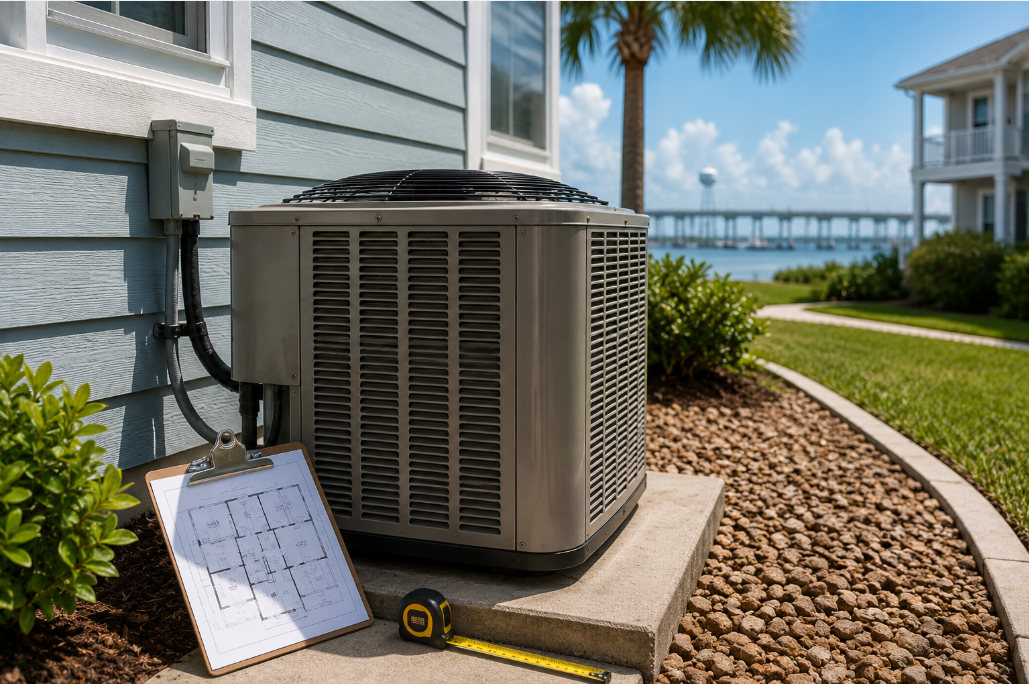
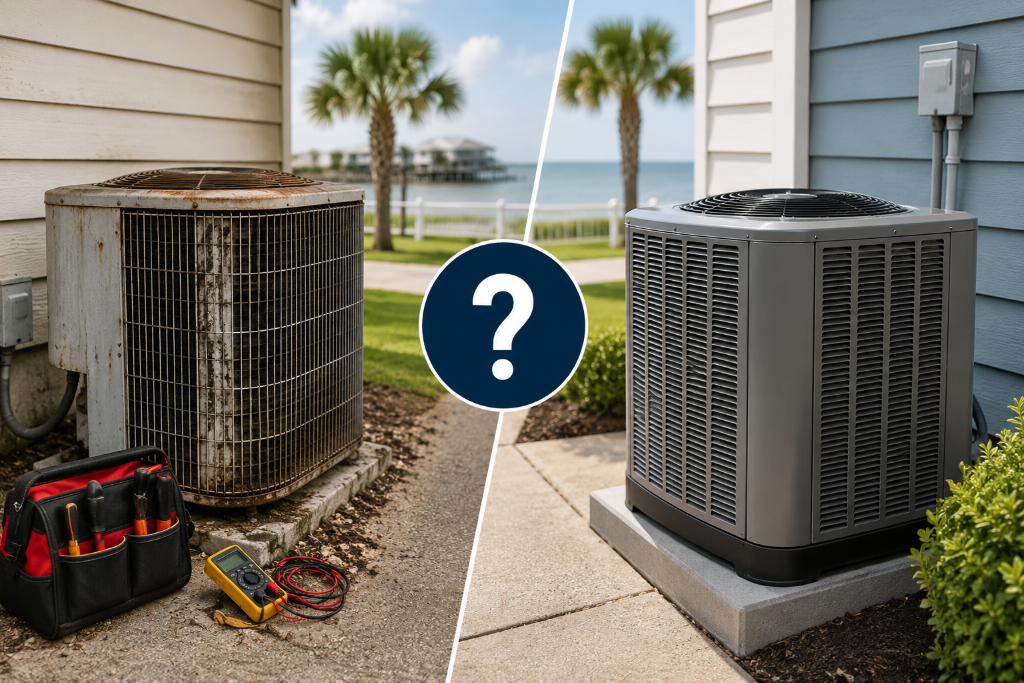
The salty air prevalent in Galveston poses a serious threat to your AC’s outdoor unit. Over time, salt particles can corrode metal components, particularly the condenser coils.
This corrosion reduces the coil’s ability to transfer heat efficiently, forcing your system to run longer and consume more energy to achieve the same cooling effect.
Damaged coils cannot properly release heat, making your AC struggle to cool your home effectively. This decreased efficiency not only drives up your utility bills but also accelerates wear and tear on other system components, potentially leading to premature breakdowns.
Common Causes of Constant AC Operation
Your AC’s constant operation often points to specific underlying problems. Understanding these common culprits helps you pinpoint why your system struggles to maintain a comfortable temperature.
Many factors contribute to an overworked air conditioner. Identifying these issues early can save you from higher energy bills and the discomfort of an inefficient system.
Restricted Airflow and Dirty Filtration
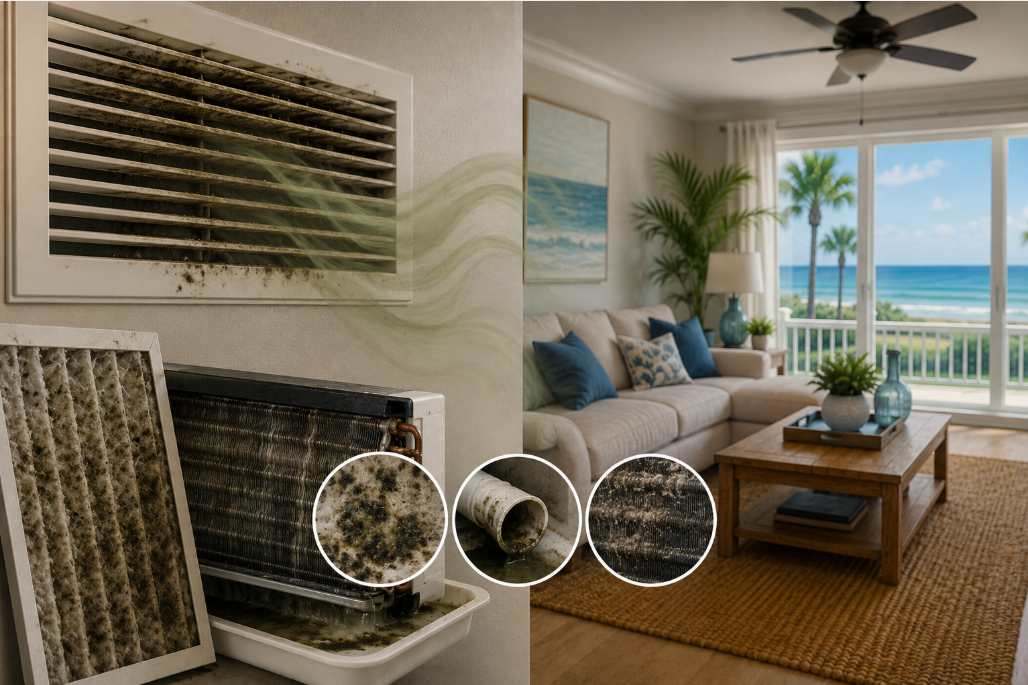
A clogged air filter is a frequent offender, severely restricting airflow to your system. This forces your AC to work harder, pulling less air and struggling to cool your home efficiently.
Restricted airflow prevents your unit from distributing conditioned air effectively. You might notice weak airflow from your vents, indicating your system is fighting against a blockage.
Obstructed or Corroded Outdoor Condenser Coils
Debris accumulating on your outdoor condenser coils reduces their ability to dissipate heat. When heat cannot escape, your system’s efficiency plummets, causing it to run continuously.
Corrosion on these coils also hinders heat transfer, making your AC less effective at cooling your home. This obstruction means your unit must work longer and harder to achieve the desired temperature.
Consider the salty Galveston air, which can accelerate corrosion on your outdoor unit’s coils. Regular cleaning and maintenance are vital to prevent this buildup and ensure proper heat exchange.
Thermostat Calibration and Placement Issues
An improperly calibrated thermostat can misread your home’s actual temperature. This leads your AC to run unnecessarily or fail to cycle off, believing the room is warmer than it truly is.
Placing your thermostat in direct sunlight or near heat sources also gives false readings. Your AC will then cool based on an inaccurate temperature, causing it to operate constantly.
Imagine your thermostat positioned directly above a heat-emitting appliance. It will consistently sense a higher temperature, instructing your AC to run without pause, even when the rest of your home is cool.
Signs It’s a Serious Problem
Frozen Evaporator Coils or Ice Buildup
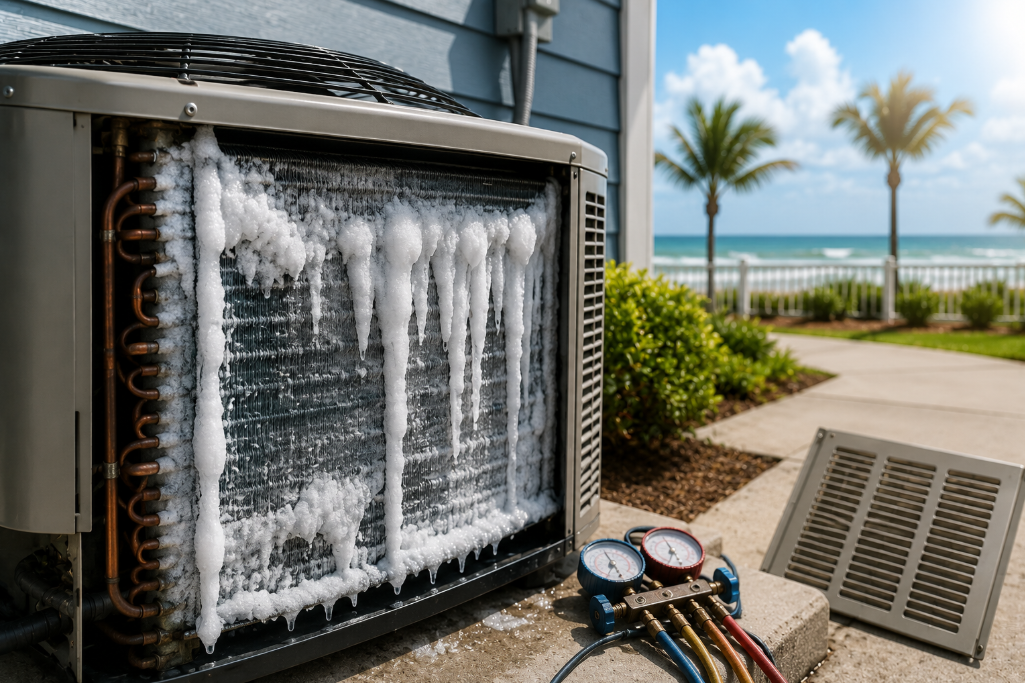
You may spot ice forming on your outdoor unit or along the copper lines connecting to your indoor unit. This usually indicates a blockage in airflow or a refrigerant issue.
Observing ice inside your home on the evaporator coils, often visible through a drain pan, signals a more severe problem. Your system cannot properly absorb heat when coils are frozen.
Unusual Noises and Short-Cycling Patterns
Hearing grinding, banging, or persistent squealing sounds from your AC unit suggests internal mechanical failures. These noises should prompt an immediate professional inspection.
Your AC unit turning on and off frequently, known as short-cycling, indicates it struggles to complete a full cooling cycle. This pattern can quickly wear out components.
Your system’s constant starting and stopping places undue stress on the compressor, leading to premature failure. This behavior also prevents your home from reaching a comfortable, consistent temperature.
Significant Spikes in Monthly Energy Costs
A sudden, unexplained increase in your electricity bill, despite no change in usage habits, often points to an inefficient AC system. Your unit is working harder than it should.
Tracking your energy consumption month-to-month can reveal if your AC is becoming a money pit. An inefficient system directly translates to higher operational expenses.
Your energy bills will climb steadily if your AC is constantly running or struggling due to underlying issues. This sustained financial drain can be a clear indicator that your system requires professional attention to restore its efficiency.
How to Fix an AC That Won’t Stop Running
Addressing a constantly running AC system in Galveston often involves a multi-faceted approach. You can implement several strategies to restore efficiency and comfort to your home.
Many solutions are straightforward, empowering you to take immediate action and reduce your energy consumption.
Implementing a Strict Filter Replacement Schedule
A clogged air filter is a major culprit behind an overworking AC system. You should inspect your filters monthly in Galveston’s dusty, humid environment.
Replacing them every 30-90 days, depending on usage and household conditions, ensures optimal airflow and prevents your system from struggling.
Clearing Debris and Salt Deposits from Exterior Units
Your outdoor condenser unit can accumulate significant debris, especially near the coast. You must regularly clear away leaves, grass clippings, and other obstructions that impede airflow.
Salt deposits, a unique challenge in Galveston, can also corrode components and reduce efficiency, requiring specific cleaning methods.
Regularly rinsing your condenser unit with fresh water can help mitigate salt buildup, but for stubborn deposits or internal cleaning, a professional AC technician can provide specialized services to protect your system from corrosive elements.
Optimizing Home Insulation and Sealing Air Leaks
Poor insulation and air leaks allow conditioned air to escape, forcing your AC to work harder. You can identify and seal gaps around windows, doors, and utility penetrations.
Upgrading your attic insulation can also significantly reduce heat transfer, lessening the burden on your cooling system.
Consider a professional energy audit to pinpoint hidden air leaks and assess your current insulation levels. These improvements create a more airtight home, which helps your AC maintain a consistent temperature without excessive operation, leading to substantial energy savings.
When to Call an HVAC Professional in Galveston
Sometimes, even after checking the basics, your AC continues to struggle. You should contact a qualified HVAC technician when you suspect a more complex problem, especially if your system is blowing warm air or making unusual noises. Ignoring these warning signs can lead to more extensive damage and higher repair costs down the line. Consider scheduling a professional inspection if your energy bills are consistently much higher than usual, despite your best efforts to optimize your system. A technician can accurately diagnose hidden issues that impact efficiency and comfort.
Diagnosing Refrigerant Leaks and Low Levels
Low refrigerant levels often indicate a leak in your system, not just a need for a “recharge.” A professional can use specialized equipment to pinpoint the exact location of any leaks, ensuring a proper repair rather than just adding more refrigerant. Ignoring a refrigerant leak can damage your compressor and reduce your system’s cooling capacity significantly. You might notice your AC running constantly but failing to cool your home adequately.
Addressing Electrical Component or Compressor Failure
A malfunctioning electrical component, such as a capacitor or contactor, can prevent your AC from starting or running efficiently. You might hear clicking sounds or experience intermittent operation. These issues require expert electrical diagnosis and repair. Your compressor is the heart of your AC system; if it fails, your unit simply won’t cool. Signs of compressor trouble include loud grinding noises, a lack of cool air, or the outdoor unit failing to activate. Replacing a failed compressor is often one of the most expensive AC repairs. Technicians can assess the compressor’s health and determine if repair or replacement is the most cost-effective solution, potentially saving you from purchasing an entirely new unit.
Professional Cleaning for Coastal Corrosion Prevention
Galveston’s salty air and high humidity accelerate corrosion on outdoor AC units. Regular professional cleaning goes beyond simply hosing down your unit; technicians can thoroughly clean coils and components, removing salt buildup and preventing rust. Preventative cleaning helps protect your system’s delicate parts from the corrosive coastal environment, extending its lifespan and maintaining optimal efficiency. This proactive approach can save you from premature system failure. Beyond surface cleaning, a professional service includes inspecting for early signs of corrosion and applying protective coatings where appropriate. This specialized attention is critical for systems operating in harsh coastal conditions like Galveston’s.
Conclusion
The constant running of your AC in Galveston indicates a need for attention. You can prevent higher energy bills and premature system failure by understanding the common culprits, from dirty filters to refrigerant issues. Taking proactive steps to address these problems will ensure your home remains cool and comfortable.
You have the power to restore your AC’s efficiency and extend its lifespan. Whether it’s a simple filter change or a professional inspection, resolving these issues quickly will save you money and discomfort in the long run. Enjoy a cooler home and lower energy costs by addressing your AC’s constant operation.
FAQ
Q: Why does my AC run constantly in Galveston’s climate, even if it feels cool indoors?
A: Galveston’s high humidity levels make your AC work harder than in drier climates. Even after your system cools the air, it still needs to remove moisture. This dehumidification process requires the compressor to run for extended periods. Your AC might be cycling longer to achieve both temperature and humidity comfort, leading to what feels like constant operation. A properly sized system should manage both, but if it runs non-stop and your indoor humidity remains high, there might be an issue beyond normal coastal operation.
Q: What are the most common reasons an AC runs without stopping in Galveston?
A: Several factors contribute to an AC running constantly. A dirty air filter restricts airflow, forcing the system to work harder. Low refrigerant levels reduce cooling capacity, making the AC struggle to reach the set temperature. Leaky ductwork allows cooled air to escape, reducing efficiency and making the unit run longer. An improperly sized AC unit (either too small or too large) can also cause constant cycling; a small unit can’t keep up, while an oversized one might cool too quickly but fail to dehumidify properly, leading to continuous short cycles or extended runs. Issues with your thermostat, such as incorrect settings or a faulty sensor, can also trick your AC into running too much.
Q: How can I tell if my constantly running AC is a problem or just normal operation for Galveston?
A: Observe your energy bills; a sudden spike indicates a problem. Listen for unusual noises like grinding or banging, which suggest mechanical trouble. Feel the airflow from your vents; weak or warm air is a red flag. Check your indoor humidity levels; if your home feels sticky despite the AC running, your system isn’t dehumidifying effectively. If your AC runs for hours without ever shutting off for a short break, even on moderately hot days, it likely has an underlying issue that needs attention. Normal operation involves cycles, even if they are long in the heat.
Q: What simple steps can I take to troubleshoot a continuously running AC?
A: Start by replacing your air filter every 1-3 months, especially in Galveston’s dusty, humid environment. Verify your thermostat settings are correct and that it’s not set to “ON” instead of “AUTO.” Ensure no furniture or curtains block return air vents or supply registers. Clean around your outdoor condenser unit, removing any debris or foliage that might obstruct airflow. Check the condensate drain line for clogs; a full drip pan can shut off your system or cause it to run inefficiently. These actions often resolve minor issues and restore normal operation.
Q: When should I call a professional AC technician for a constantly running unit in Galveston?
A: Contact a professional if basic troubleshooting doesn’t fix the problem. If you suspect low refrigerant, duct leaks, an electrical malfunction, or a failing compressor, professional diagnosis is imperative. Technicians have the tools to accurately measure refrigerant levels, inspect ductwork for leaks, and diagnose complex electrical or mechanical failures. Ignoring these issues can lead to more expensive repairs or even premature system replacement. Regular professional maintenance also helps prevent these problems from developing in the first place, which is particularly important for AC longevity in Galveston’s challenging climate.