Controlling Allergens and Improving Indoor Air: Humidity Management and Modern Air Purification Solutions
Introduction: Why Allergens and Indoor Air Quality Matter
Indoor air quality (IAQ) is a vital component of a healthy, comfortable home environment, especially in Texas where high humidity and seasonal pollen can exacerbate respiratory issues. Allergens such as dust mites, mold spores, and pollen often accumulate in homes, particularly in areas with poor ventilation or high moisture. These pollutants can aggravate asthma, allergies, and other respiratory conditions, while also impacting HVAC system efficiency and increasing energy consumption.
Modern technology offers effective solutions for controlling allergens and maintaining optimal indoor air quality. From humidity control strategies to advanced air purification systems, homeowners can take proactive steps to reduce pollutants and create healthier indoor environments.
The Impact of Allergens on Health and Comfort
Allergens are substances that trigger immune system reactions in sensitive individuals. Common indoor allergens include:
Dust mites: Tiny organisms that thrive in bedding, upholstered furniture, and carpets.
Mold spores: Often invisible, growing in damp or poorly ventilated areas.
Pollen: Especially prevalent during spring and fall in Texas.
Pet dander: Tiny skin flakes from dogs, cats, and other pets.
Exposure to these allergens can cause sneezing, congestion, itchy eyes, coughing, and asthma attacks. Over time, chronic exposure may lead to respiratory inflammation, reduced lung function, and even cardiovascular stress.
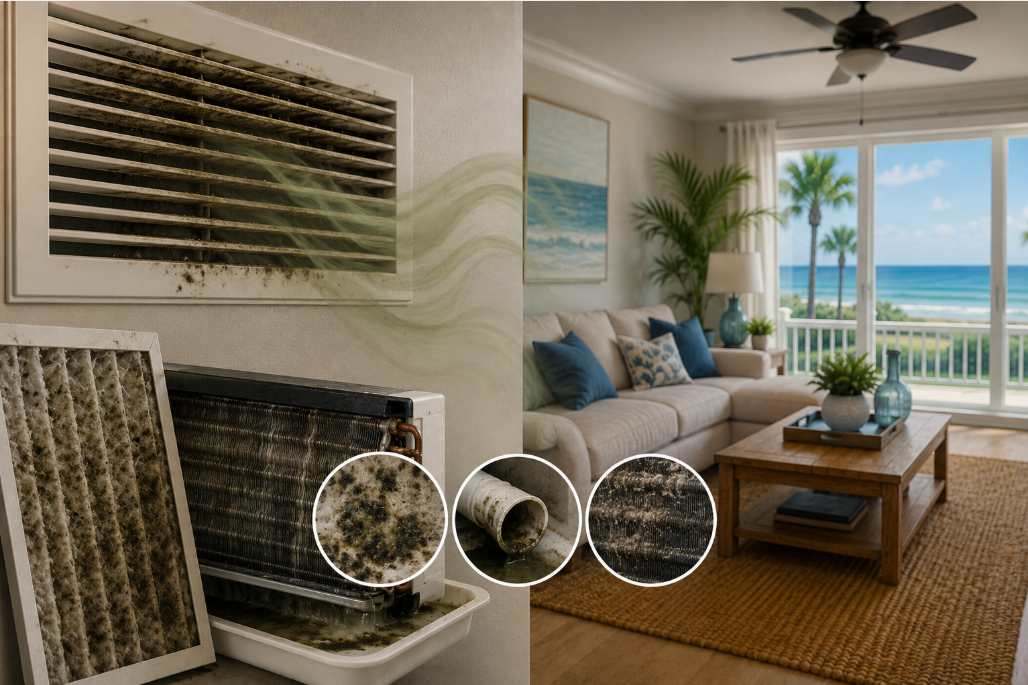
In addition to health impacts, allergens can influence home comfort and HVAC performance. Dust and dander accumulate in ducts, filters, and coils, reducing airflow and energy efficiency. Regular system maintenance combined with allergen control strategies is essential for both health and energy savings. For homeowners looking to maintain clean and efficient systems, see the AC Maintenance Checklist for La Marque Homeowners.
The Role of Humidity in Indoor Air Quality
Humidity plays a dual role in indoor air quality: while too little humidity can dry out the skin, eyes, and respiratory tract, too much humidity promotes allergen growth. In Texas, where relative humidity often exceeds 60%, controlling moisture is crucial.
Effects of Excess Humidity
High humidity creates an environment in which dust mites, mold, and bacteria thrive. Moisture can accumulate in crawlspaces, bathrooms, kitchens, and even inside ducts. This not only affects air quality but can damage building materials and reduce HVAC system efficiency. According to ASHRAE Standard 55, maintaining indoor relative humidity between 40–55% helps balance comfort and microbial control.
Benefits of Proper Humidity Control
Maintaining optimal humidity levels can:
Reduce mold growth and dust mite populations
Improve comfort without over-relying on air conditioning
Extend HVAC system lifespan
Improve the effectiveness of air filtration and purification
Homeowners can achieve humidity control using whole-house or portable dehumidifiers, properly sealing ducts, and ensuring adequate ventilation in moisture-prone areas.
Modern Air Purification Solutions
Modern air purification technology provides a proactive defense against allergens and airborne pollutants. These systems are designed to remove particulates, neutralize microbial contaminants, and reduce chemical irritants.
High-Efficiency Filtration
Upgrading to MERV 13 or higher filters ensures that dust, pollen, and other fine particles are captured before they circulate through the home. HVAC systems with high-quality filters experience fewer clogs, improved airflow, and enhanced energy efficiency.
UV-C and Photocatalytic Systems
UV-C lights installed in the ductwork or on HVAC coils can neutralize bacteria, viruses, and mold spores, reducing microbial contamination in the air system. Photocatalytic oxidation (PCO) systems break down VOCs and chemical pollutants, further improving air quality.
Whole-Home Air Purifiers
Whole-home solutions, such as Carrier Infinity Air Purifiers, integrate directly with HVAC systems to provide continuous, whole-home filtration. These systems are particularly effective in homes with high allergen loads or families with sensitive individuals.
Portable HEPA Purifiers
For targeted allergen control, HEPA purifiers can be placed in bedrooms, offices, or living spaces. These units trap fine particles and can complement whole-home systems, particularly in rooms with high allergen exposure.
Integrating Humidity Control with Air Purification
Optimal indoor air quality is achieved by combining humidity management with advanced air purification. High-efficiency filters work more effectively when humidity is controlled, while UV-C and PCO systems prevent microbial growth that thrives in damp conditions.
For homeowners, this means:
Installing a whole-home humidistat to monitor and control relative humidity
Using HVAC filters rated MERV 13 or higher
Complementing system filtration with HEPA room purifiers in high-use areas
Maintaining ducts, vents, and coils to prevent moisture accumulation
Regular maintenance ensures that humidity and filtration strategies work synergistically to reduce allergens and improve overall air quality.
The Importance of Professional Assessment
While homeowners can implement many strategies themselves, professional IAQ assessments ensure accurate diagnosis and effective solutions. Services offered by experts, such as Alex’s Air, include:
Comprehensive indoor air evaluations
Ductwork inspection and cleaning
Installation of advanced filtration, UV-C, and humidity systems
Guidance on long-term maintenance for optimal IAQ
Professional services guarantee that allergen reduction, humidity control, and air purification solutions are correctly implemented, maximizing their effectiveness.
Contact Alex’s Air for a professional assessment
Practical Tips for Homeowners
Monitor indoor humidity: Use digital hygrometers and adjust dehumidifiers as needed.
Upgrade HVAC filtration: MERV 13+ filters capture most airborne allergens.
Clean and maintain ducts: Dust, mold, and moisture can accumulate and spread contaminants.
Invest in air purification: Combine whole-home and portable solutions for maximum coverage.
Seal leaks and improve ventilation: Proper airflow prevents moisture buildup and stale air.
For more guidance on maintaining HVAC systems while improving indoor air quality, see the AC Maintenance Checklist for La Marque Homeowners.
Conclusion: Breathe Easier with Integrated Solutions
Controlling allergens, managing humidity, and employing modern air purification solutions are key steps for creating a healthier, more comfortable home environment in Texas. By integrating professional assessment with proactive strategies, homeowners can reduce allergy triggers, prevent mold growth, and enhance HVAC system performance.
Investing in IAQ solutions not only benefits health and comfort but also protects your home investment, improves energy efficiency, and ensures long-term system reliability.
For a tailored plan to improve indoor air quality, contact Alex’s Air today and take the first step toward cleaner, healthier air.
Schedule your IAQ assessment now