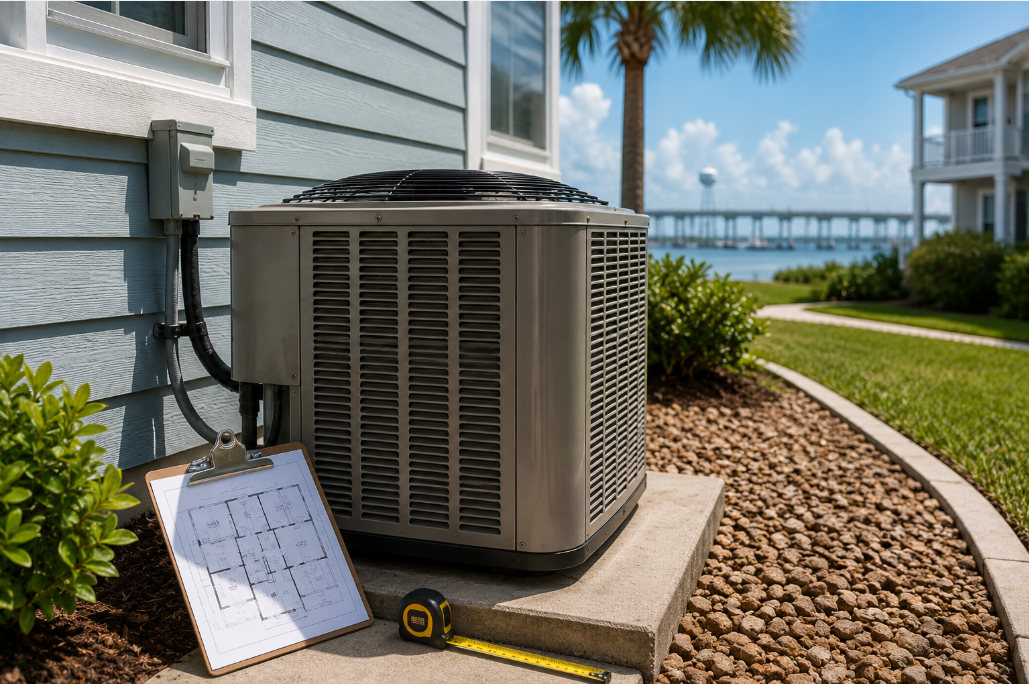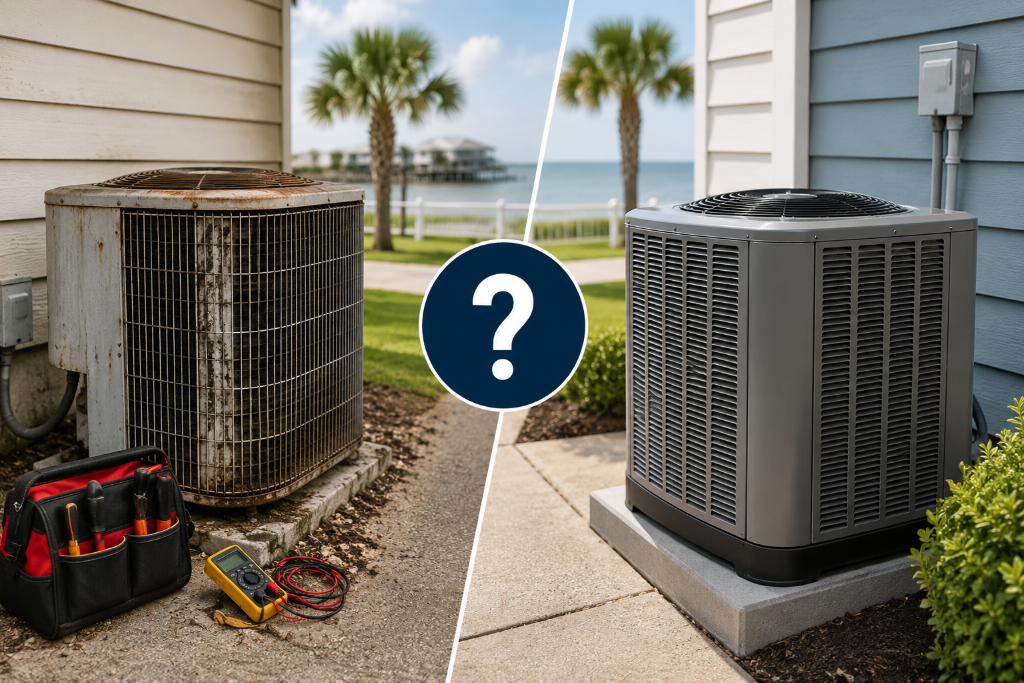
Checklist in hand, you can ensure your air conditioner stays efficient and reliable throughout the long, hot Texas summers. By regularly changing your air filters, verifying thermostat settings, and keeping the outdoor condenser clear of debris, you maintain optimal airflow and system performance. While these tasks help, a professional tune-up is crucial for checking refrigerant levels and electrical components. Following this AC maintenance checklist will help you avoid unexpected repairs and keep your home comfortably cool when it matters most.
Regular Filter Changes: The Heart of Efficient AC Functionality
Air filters in your AC system act as the first line of defense against dust, pollen, and airborne particles that could otherwise clog your unit and reduce efficiency. When filters become dirty or clogged, airflow is restricted, forcing your system to work harder to circulate air. This extra strain can elevate energy use and cause premature wear on vital components like the blower motor. Keeping filters clean maintains consistent airflow, helps preserve indoor air quality, and ensures your unit operates smoothly during those lengthy Texas heat waves.
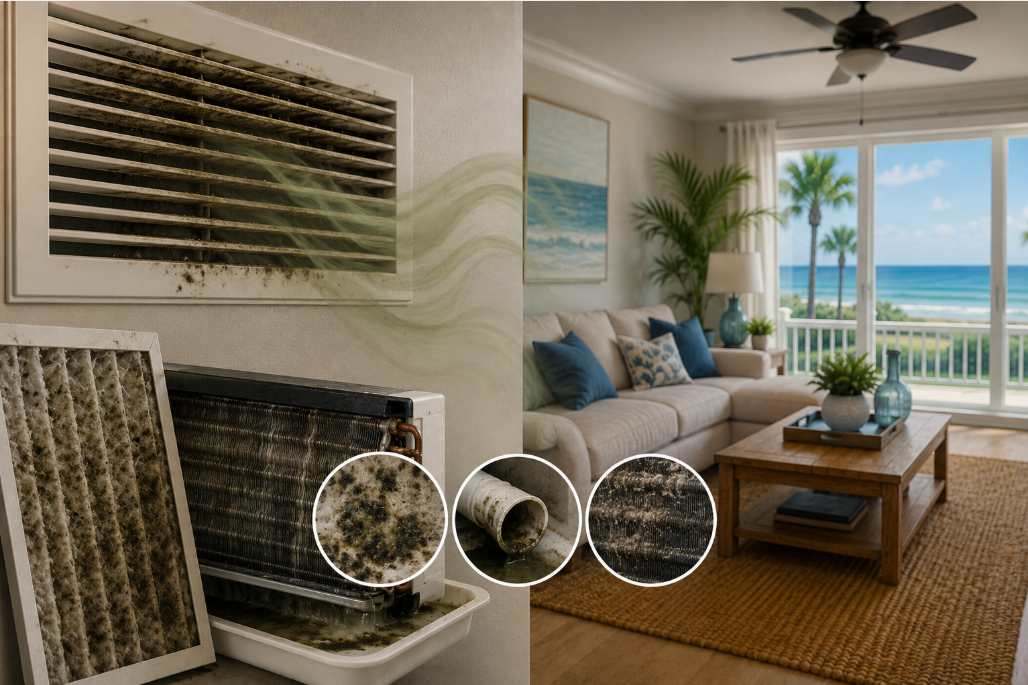
Neglecting filter maintenance can lead to a domino effect of problems, including reduced cooling capacity and uneven temperature distribution throughout your home. In La Marque’s humid climate, filters may accumulate moisture along with debris, which increases the risk of mold growth inside the system. This not only compromises comfort but can introduce allergens back into your living space. By staying on a regular filter replacement schedule, you protect both your investment and your family’s health while optimizing your energy bill.
The Importance of Clean Air Filters
Clean air filters improve your system’s efficiency by allowing unrestricted airflow. When filters trap dust and particles effectively, your AC doesn’t have to expend extra energy pushing air through a blocked pathway. According to the U.S. Department of Energy, a clogged air filter can increase your system’s energy consumption by up to 15%, making regular changes a simple way to lower utility bills. Additionally, clean filters help maintain important components, such as evaporator coils, by keeping them free from dirt buildup that would otherwise insulate and reduce cooling effectiveness.
Another benefit of clean filters is the preservation of indoor air quality, especially important in homes with children, pets, or residents with allergies. Airborne pollutants circulating unchecked may exacerbate respiratory conditions and degrade comfort. Proper filtration minimizes these risks, creating a healthier environment during those extended summer months when windows close and your AC runs nonstop.
How Often Should You Change Them?
In La Marque’s hot and humid environment, you should aim to change your air filters every 30 to 60 days during peak cooling season. Homes with pets or residents prone to allergies might require even more frequent changes, as pet dander and allergens accumulate rapidly. If your air filter is a standard fiberglass type, replacing it monthly ensures it doesn’t become a barrier to airflow. For higher efficiency pleated filters, which capture smaller particles, you might extend this period closer to two months depending on indoor air conditions.
Pay close attention to your system’s performance and note any signs of restricted airflow, such as uneven cooling or increased energy costs. These can signal filter issues needing faster replacement. Seasonal changes also affect timing; inspect your filters more often during periods of heavy AC use or when outdoor pollen counts are high. Keeping a log or setting calendar reminders can help maintain this schedule consistently, safeguarding your unit against avoidable strain.
Mastering Thermostat Settings for Optimal Performance
Your thermostat acts as the command center for your air conditioning system, controlling when and how hard your unit works to cool your home. Keeping these settings fine-tuned can prevent unnecessary wear and help avoid soaring energy bills through the hot La Marque summers. Verifying that your thermostat is properly calibrated ensures the temperature you set actually matches the indoor environment, preventing your AC from running longer than needed. Consider testing with a reliable room thermometer; a difference of more than a degree or two means it’s time to recalibrate or replace your thermostat.
In addition to accuracy, taking advantage of programmable or advanced thermostat features creates opportunities to customize temperatures based on your daily routine. Adjusting your AC to run less when you’re away or asleep can shave off significant energy costs. Maintaining a consistent temperature through gradual changes instead of large swings reduces strain on your system, extending the lifespan of components and avoiding frequent cycling.
Ideal Temperature Settings for Comfort and Efficiency
Setting your thermostat to the right temperature balances comfort with energy savings, especially when those Texas temperatures climb. Most energy experts recommend 78°F during the day when you are at home, which keeps the indoor air comfortably cool without overtaxing the AC unit. At night or when the house is empty, raising the thermostat to around 85°F can reduce energy consumption by as much as 10-15%, lowering electric bills considerably over the summer.
| Time of Day | Recommended Thermostat Temperature |
|---|---|
| Daytime (Home) | 78°F |
| Nighttime or Away | 85°F |
Using ceiling fans in conjunction with your AC allows you to increase the thermostat by a few degrees without sacrificing comfort, since fans create a cooling breeze. Programmable thermostats can automate these temperature changes according to your schedule, preventing accidental overheating or overcooling. By sticking to these recommended settings, you avoid running the system excessively and can expect a noticeable decrease in your energy costs during peak summer months.
Upgrading to Smart Thermostats: Is It Worth It?
Smart thermostats offer advanced control and convenience with features that go beyond traditional programmable units. Models like the Nest or Ecobee learn your habits over time and adjust cooling schedules automatically to maximize efficiency. For example, if you typically leave for work around 8 AM, a smart thermostat will optimize temperature settings before you return home—saving energy without sacrificing comfort. Remote access via smartphone apps gives you the ability to check and adjust settings anytime, which is invaluable if your schedule changes unexpectedly.
These devices can integrate with other smart home systems and provide detailed energy usage reports, helping you identify patterns that might be driving up costs. The typical payback period on a smart thermostat ranges between two to three years through lower energy bills, which may be appealing given La Marque’s long cooling season. Installation is generally straightforward, but professional assistance ensures compatibility with your existing HVAC system and proper setup.
Uncovering Hidden Dirt: The Condenser Coil Cleanup
Dirt, dust, and grime accumulate on your outdoor condenser coils over time, especially during the dusty summers common in La Marque. Even a thin layer of buildup can act like insulation, preventing the coils from effectively releasing heat. This reduction in heat exchange forces your AC unit to work harder, driving up energy consumption and increasing wear and tear. Because the coils are located outside, they’re exposed to more than just airborne particles—leaves, grass clippings, and insect debris also contribute to restricting airflow. Regularly uncovering and cleaning the coils ensures your system functions as intended, maintaining peak cooling power and extending its lifespan.
Cleaning the coils isn’t just an occasional task; it aligns directly with how often your AC runs during the sweltering months. If you notice reduced airflow or unusually high electricity bills, a tucked-away layer of dirt on your coils might be the cause. In La Marque’s climate, where your air conditioner often runs nonstop to keep your home comfortable, even minor coil contamination can translate into significant energy waste and system strain. By proactively addressing these hidden blockages, you avoid unnecessary service calls and keep your cooling system running efficiently through the hottest days of summer.
Why Clean Coils are Critical for Performance
Coils serve as the heat exchangers in your outdoor unit, releasing the absorbed indoor heat into the atmosphere. When dirt clogs the coil fins, the heat transfer slows down considerably. This inefficiency means your compressor has to run longer cycles to achieve the desired indoor temperature, increasing energy use and the risk of system breakdowns. Studies show that dirty coils can increase energy consumption by up to 30%, which significantly impacts your monthly utility bills, especially during extended peak cooling periods in Texas.
Moreover, clogged coils can cause the refrigerant to stay warmer than designed, leading to higher operating temperatures and potential compressor damage. In some cases, insufficient heat dissipation triggers the system’s safety mechanisms to shut down the compressor entirely, resulting in frustrating interruptions in your cooling service. Clean coils improve airflow, reduce strain on electrical components, and help maintain consistent indoor comfort even during La Marque’s hottest summer days.
DIY vs. Professional Cleaning Services
You can tackle basic coil cleaning yourself by first turning off power to the unit, removing debris with a leaf blower or soft brush, and then rinsing the coils gently with a garden hose. Avoid using high-pressure water sprays, which can bend the delicate fins and reduce airflow. For light dirt and surface buildup, a foaming coil cleaner is also effective and widely available at local hardware stores. However, while these DIY methods help maintain cleanliness between professional visits, they often fall short of a deep, thorough clean that might be needed after long periods of neglect or heavy exposure to pollutants.
Professional HVAC technicians bring specialized tools such as fin combs, high-pressure coil washers, and chemical cleaners designed for environmental safety and coil longevity. Beyond surface dirt, pros detect hidden corrosion, refrigerant leaks, and electrical issues that might be masked by dirty coils. They also realign fins that have been bent, optimizing your system’s airflow and thermodynamic function. Scheduling an annual professional cleaning adds precision and peace of mind that DIY methods simply cannot match.
Balancing your time and budget often means blending both approaches—regular light maintenance on your own coupled with yearly professional tune-ups. Doing so allows you to catch dirt buildup before it impacts performance, while ensuring that technical aspects of your system receive expert attention. In La Marque’s demanding climate, this combined strategy protects your investment and supports reliable, cost-effective cooling throughout the summer months.
Outdoor Unit Defense: Keeping Debris at Bay
Your outdoor condenser unit faces the brunt of Texas’s hot, dusty conditions, making debris accumulation a common challenge. Dirt, leaves, and other particles can clog the coils and restrict airflow, leading to inefficient cooling and increased energy consumption. Given that your AC is already working hard during long La Marque summers, any restriction around the unit forces it to operate under extra strain, which can shorten its lifespan and reduce its effectiveness. Ensuring the area around your outdoor unit is clean allows for proper heat exchange, making your system run smoother and cooler.
One effective habit you can develop is routinely inspecting the unit for visible buildup or blockages. Clearing stubborn dirt or compacted leaves off the fins with a soft brush or hose can significantly enhance performance. Avoid high-pressure sprays which may damage the delicate fins. Assume that keeping the outdoor unit properly maintained not only prevents premature failures but also contributes to lower monthly electricity bills by reducing the workload on your AC.
Common Debris Types and Their Impact on AC Efficiency
Various types of outdoor debris have distinct effects on your air conditioner’s efficiency. Leaves and twigs can lodge in the condenser coils, blocking airflow and trapping heat. Dust and dirt create a layer of insulation on the coils, which limits heat dissipation and causes the compressor to work harder. Grass clippings from nearby mowing often find their way beneath the unit, accumulating around fan blades and leading to imbalance or mechanical wear. Even bird droppings or nests can interfere with moving parts or electrical connections.
| Debris Type | Impact on AC Efficiency |
|---|---|
| Leaves and Twigs | Block airflow and trap heat, reducing cooling capacity |
| Dust and Dirt | Acts as insulation on coils, forcing compressor to overwork |
| Grass Clippings | Cause fan blade imbalance and increase mechanical wear |
| Bird Droppings | Corrode components and cause electrical issues |
| Nests or Insect Webs | Obstruct airflow and may damage wiring |
Assume that any of these debris forms left unchecked can lead to increased energy use by 10-15% and hasten the need for costly repairs.
Best Practices for Outdoor Unit Maintenance
Maintaining your outdoor AC unit involves a blend of regular cleaning and strategic landscaping. Keep a minimum clearance of two feet around the unit free from plants, bushes, or stacked items. This space provides sufficient airflow and prevents debris accumulation. Scheduling seasonal cleanings—especially in spring and fall—helps remove built-up grime before peak cooling seasons. Using a garden hose, gently rinse the condenser coils from the inside out to dislodge trapped dirt without bending the fins.
Regularly inspect the base of the unit to ensure it’s level; uneven positioning can strain components. Additionally, during La Marque’s stormy months, protecting the unit with a breathable cover while it’s off-season can minimize debris intrusion without causing moisture buildup. Assume that combining these ongoing upkeep tasks with professional tune-ups optimizes your system’s longevity and operational efficiency, especially under Texas’s demanding climate.
Brushing away debris, trimming nearby vegetation, and positioning your unit in a shaded location can further improve performance. Just remember that sudden blows from leaf blowers or power washers aren’t recommended, as they might damage delicate parts. Rather, incorporate gentle, manual cleaning methods into your routine to keep your AC running quietly and effectively.
Professional Tune-Up: An Investment in Longevity
Scheduling a professional AC tune-up each spring can significantly extend the life of your air conditioning system, especially with the relentless heat of La Marque summers pushing it hard. Experts can detect subtle signs of wear and tear that often go unnoticed during routine homeowner maintenance. By addressing these issues early, you avoid sudden breakdowns and costly repairs that might occur during peak cooling season. Moreover, a system tuned to factory specifications runs more efficiently, cutting down your electric bill by up to 15% according to energy studies in similar Texas climates.
Your AC unit will also maintain consistent cooling performance throughout the hottest months. Ignoring professional maintenance often leads to overworked compressors and clogged components, reducing airflow and causing uneven temperatures inside your home. A comprehensive tune-up strengthens all critical parts of your AC, ensuring it meets the high demands of La Marque’s prolonged heat waves without faltering.
Key Components of a Comprehensive AC Tune-Up
A thorough professional tune-up goes far beyond simple cleaning and filter changes. Technicians will test refrigerant levels, adjusting them precisely to manufacturer-recommended standards to maximize cooling efficiency and prevent damage to the compressor. Electrical connections undergo detailed inspection and tightening to eliminate shorts or faulty wiring that could compromise safety and performance. You’ll also find the blower motor and belts examined for wear or imbalance to maintain steady airflow through your home.
Additionally, coils on indoor evaporators and outdoor condensers receive deep cleaning to remove dirt and debris accumulated during a year of operation. These coils are the heart of your cooling cycle—any blockage here causes your system to overheat or cycle improperly, shortening component life. A professional will also check your thermostat calibration, confirming that your unit responds accurately to temperature changes and minimizing energy waste.
Finding Reliable HVAC Services in La Marque, TX
Selecting a trustworthy HVAC provider ensures your investment in a professional tune-up delivers lasting benefits. Look for companies with proven experience servicing homes in Coastal Texas, where humidity and salt air can accelerate wear on AC components. Licensed technicians often carry certifications from industry leaders like NATE (North American Technician Excellence), which guarantees adherence to rigorous service standards. Local businesses familiar with La Marque’s unique climate offer tailored maintenance approaches that outperform generic servicing.
Customer reviews and ratings provide insights into punctuality and workmanship, but don’t hesitate to ask for references or examples of complex repairs handled recently. Transparent pricing, clear estimates, and flexible maintenance plans are other indicators of reliable service. Finally, many reputable contractors offer seasonal tune-up specials that fit your schedule and budget without compromising quality, making regular maintenance easier to keep up with.
In La Marque, where your AC works harder than in many other cities, investing time in researching and partnering with skilled HVAC professionals pays off in comfort, savings, and peace of mind every summer. Scheduling your tune-up with a provider who understands local conditions can prevent poorly executed repairs that lead to premature system failure and skyrocketing utility bills.
The Long-Term Perks of Structured Maintenance
Investing time into a structured maintenance routine for your AC system yields benefits that stretch well beyond immediate comfort. A consistently serviced unit operates more efficiently, which can lower your monthly energy bills significantly. For example, replacing a dirty air filter alone can improve airflow by up to 15%, helping your system cool your home faster without working overtime under the brutal Texas heat. Over the life of your air conditioner, these small efficiency gains accumulate, reducing wear and tear and extending the overall lifespan of your equipment—a critical factor considering the average AC system replacement cost runs between $3,500 and $7,500 in La Marque.
Routine maintenance also reduces the frequency and severity of unexpected breakdowns. Components like refrigerant and electrical parts tend to degrade slowly, but timely inspections catch issues before they escalate into costly repairs. This preventative approach can mean the difference between a minor fix costing a few hundred dollars and an emergency replacement during the hottest days when HVAC contractors often charge a premium. By adhering to a structured plan, you keep your system resilient and ready to handle La Marque’s relentless summer heat with minimal disruption.
Costs vs. Savings: The Financial Benefits of Preventive Care
Preventive maintenance helps you avoid expensive emergency repairs and reduces energy consumption, yielding tangible savings. A professional tune-up typically costs between $100 and $200, a modest fee when compared to an unexpected compressor replacement that can exceed $1,200. Routine checks keep refrigerant levels optimal and electrical connections tight, which minimizes strain on your system and prevents early component failure. Over time, this practice can trim 10% to 15% off your cooling bills, which is substantial given how often your AC runs during La Marque’s scorching summers.
In addition, many manufacturers require proof of regular maintenance to uphold warranties. Skipping scheduled inspections could void coverage, putting you on the hook for full repair costs. Some utility companies offer rebates or discounts for customers who demonstrate consistent upkeep of energy-efficient systems, further enhancing your financial returns. By balancing the small upfront commitment for routine care against the potentially high expenses of breakdowns and inefficient operation, you maximize your long-term investment in home comfort.
Enhancing Home Comfort and Peace of Mind
Your comfort depends not just on cool air but the consistent reliability and performance of your AC system. Regular maintenance ensures your home experiences even temperatures, stable humidity levels, and clean indoor air—all of which contribute to a healthier environment. An efficiently running system avoids the cycling on and off that can lead to temperature swings and excess noise, allowing you and your family to relax without distraction during the long Texas summer days.
The peace of mind that comes with a well-maintained unit also helps alleviate the stress of unexpected interruptions. Knowing your system has been professionally inspected and fine-tuned means fewer worries about sudden breakdowns during peak heat waves. You can focus on enjoying your home instead of scrambling for last-minute repairs or temporary cooling solutions that might add to your costs and inconvenience.
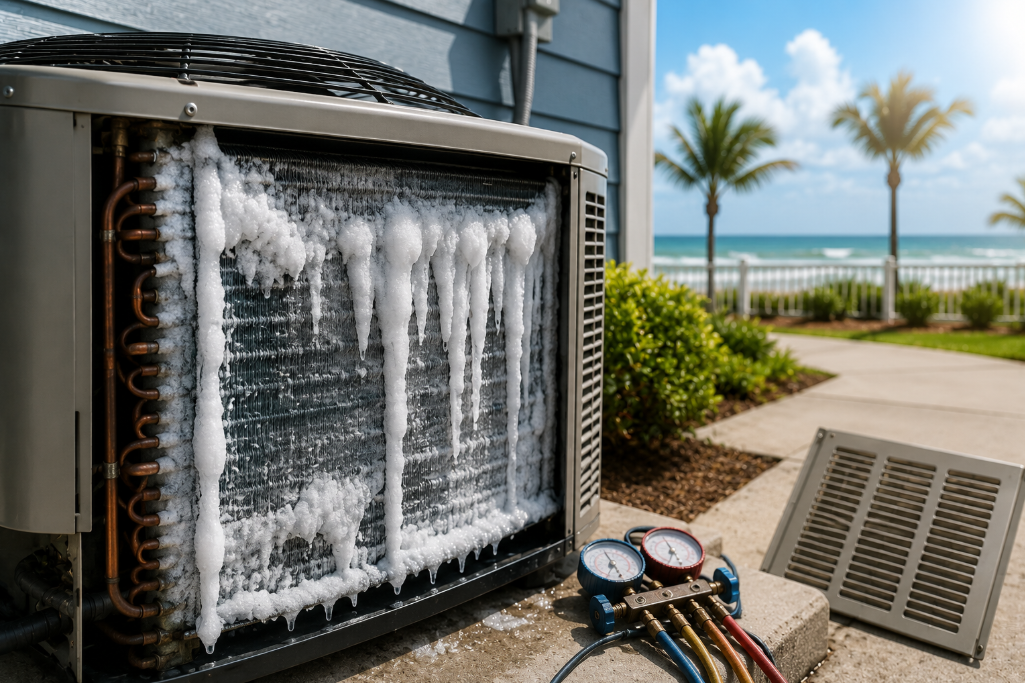
Diving deeper, this dependable operation also prevents common issues like frozen coils or clogged condensate drains, which often surface during heavy usage. Catching these problems early through routine maintenance avoids more serious indoor air quality concerns and keeps allergens and mold at bay—an especially valuable benefit if you or your family members suffer from respiratory sensitivities. Structured upkeep transforms your AC from just a cooling device into a reliable asset for both comfort and health.
Summing up
With this in mind, staying on top of your AC maintenance checklist is crucial to keep your system running smoothly throughout the hot Texas summers. By regularly changing filters, verifying thermostat settings, and keeping outdoor units clean, you can improve your air conditioner’s efficiency and extend its lifespan. These simple steps not only help you avoid unexpected breakdowns but also contribute to lowering your energy bills, ensuring your home remains comfortable when you need it most.
While performing routine upkeep on your own is beneficial, combining these efforts with professional inspections will give your system the thorough attention it requires. A qualified technician from Alex’s Air can address components beyond basic care, such as refrigerant levels and electrical connections, to optimize overall performance. By following this maintenance routine, you take control of your home’s cooling system, allowing you to enjoy a reliable, efficient air conditioner season after season.
FAQ
Q: How often should I change the air filters in my AC system?
A: For optimal performance, air filters should be changed every 1 to 3 months, depending on usage and the presence of pets or dust. Regularly replacing filters helps maintain proper airflow and improves indoor air quality while reducing strain on your system.
Q: What is the best way to clean the outdoor condenser unit?
A: Begin by turning off the power to the unit. Remove any dirt, leaves, and debris from around and inside the unit using a soft brush or vacuum. Carefully clean the coils with a garden hose on a gentle setting to avoid damaging the fins. Keeping the condenser clean prevents overheating and maintains efficiency.
Q: Why is checking thermostat settings important for AC maintenance?
A: Ensuring your thermostat is set correctly helps your air conditioner run efficiently, maintaining consistent indoor temperatures while avoiding unnecessary energy consumption. It’s also helpful to calibrate or replace the thermostat if it’s not accurately reflecting your home’s temperature.
Q: When should I schedule a professional tune-up for my air conditioner?
A: It’s recommended to have a professional inspection at least once a year, ideally before the start of the hot season. A technician will check refrigerant levels, electrical components, and overall system function to identify potential issues and keep your AC running effectively.
Q: What are some signs my AC system might need maintenance or repairs?
A: If you notice reduced cooling performance, unusual noises, increased energy bills, or frequent cycling on and off, these may indicate that your air conditioner requires maintenance or repairs. Early attention can prevent more expensive problems down the line.