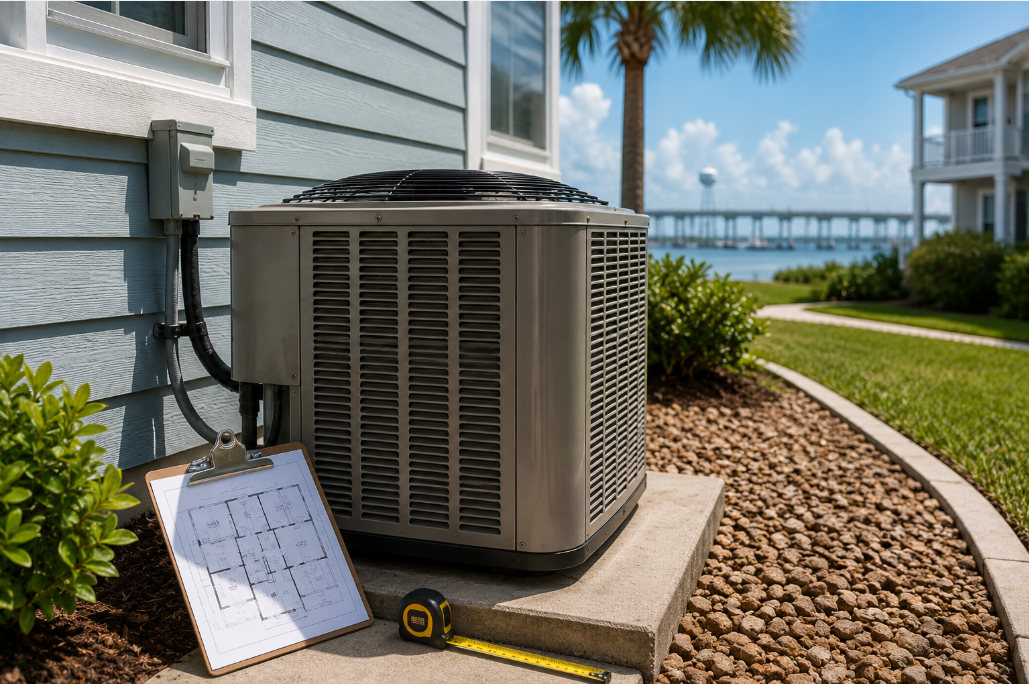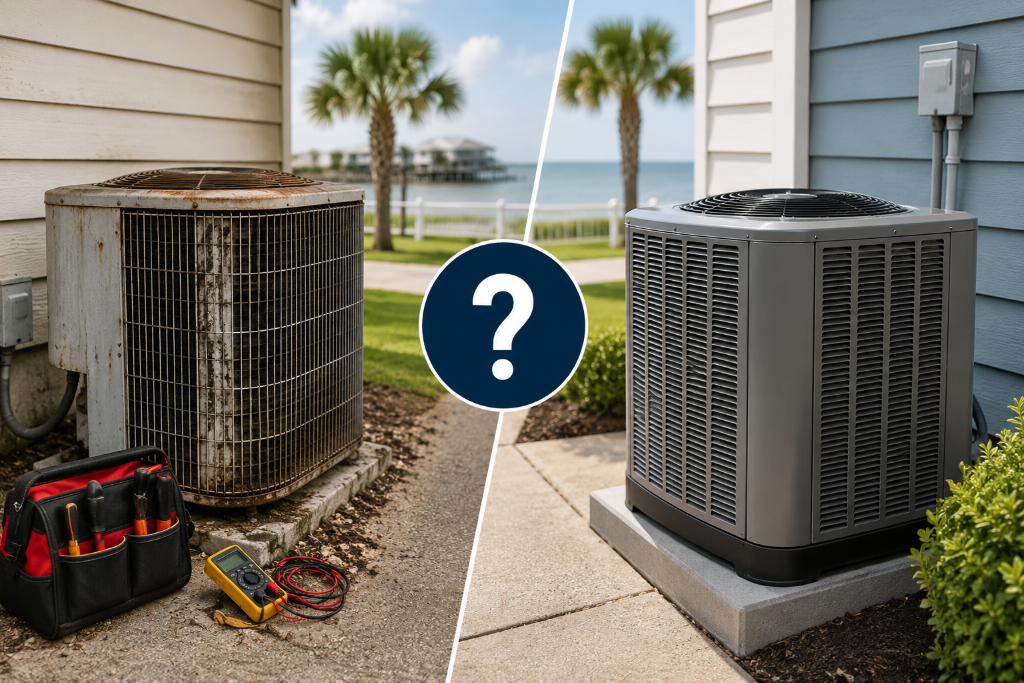
Just experienced an AC breakdown? You are likely wondering about repair costs in Galveston County. This 2026 guide provides clear insights into typical expenses, helping you understand what to expect. You will gain valuable knowledge for making informed decisions about your cooling system.
Common AC Repairs and Their Costs: Major Types
Your AC system relies on several key components, and knowing the potential costs associated with their repair helps you budget effectively. Minor issues often have predictable price ranges, while more involved problems can escalate quickly. Thou can expect various factors to influence the final bill. * Component repair costs vary. * Age of your system impacts pricing. * Emergency service increases costs. * Coastal corrosion adds to wear. * Replacement might be more cost-effective.
| Repair Type | Estimated Cost Range |
|---|---|
| Capacitor Replacement | $150 – $400 |
| Thermostat Replacement | $100 – $350 |
| Refrigerant Leak Repair & Recharge | $300 – $1000+ |
| Fan Motor Replacement | $400 – $800 |
| Compressor Replacement | $1,500 – $3,000+ |
Electrical Component and Capacitor Fixes
Many AC problems stem from electrical malfunctions. A faulty capacitor, for example, is a common culprit when your unit struggles to start or runs inefficiently. These repairs are generally straightforward and less expensive than major component replacements. You will find that addressing these issues promptly prevents further strain on your system. Technicians can often diagnose and replace these parts quickly, restoring your AC’s function without a significant financial burden.
Complex Compressor and Refrigerant Issues
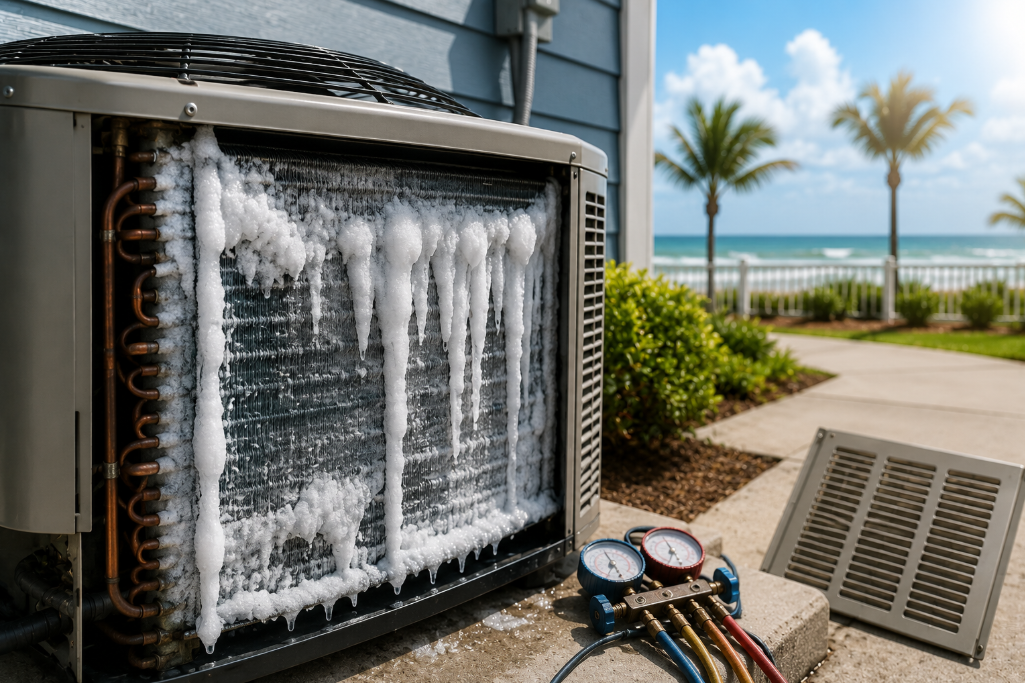
Serious problems often involve your AC’s compressor or refrigerant system. A failing compressor means your unit cannot effectively cool your home, leading to warm air or no air at all. Refrigerant leaks not only diminish cooling capacity but also pose environmental concerns. These types of repairs are considerably more involved and expensive, sometimes prompting a discussion about system replacement. You might face significant labor costs and the expense of specialized parts or hazardous material handling. Compressor replacement represents one of the most expensive AC repairs you might encounter. The compressor is importantly the heart of your air conditioning system, responsible for circulating refrigerant and facilitating the cooling process. If it fails, your entire unit becomes inoperable. Repairing refrigerant leaks can also be costly, involving leak detection, repair of the compromised line, and then a full system recharge with new refrigerant.
When Repair vs. Replacement Makes Sense: Pros and Cons
Deciding between repairing your existing AC unit or investing in a new system often depends on a few key factors. You should consider the age of your unit, the frequency and cost of past repairs, and the overall efficiency of your current system. This decision can impact both your immediate budget and long-term comfort. Your technician can provide a clear assessment of the problem, helping you weigh the advantages of a quick fix against the long-term benefits of an upgrade. Here’s a breakdown to guide your choice:
| Pros of Repair | Cons of Repair |
| Lower immediate cost. | Temporary solution for older units. |
| Extends system lifespan (if unit is relatively new). | Risk of recurring issues. |
| Quick resolution for minor problems. | May not improve efficiency. |
| Avoids installation disruption. | Older parts can be harder to find. |
| Retains familiar system operation. | No warranty on older systems. |
| Pros of Replacement | Cons of Replacement |
| Improved energy efficiency, lower bills. | Higher upfront cost. |
| New warranty coverage. | Installation time and disruption. |
| Enhanced comfort and consistent cooling. | Potential for new refrigerant type. |
| Access to smart features. | Disposal of old unit. |
| Peace of mind with a new system. | Initial learning curve for new features. |
Evaluating the Financial Benefits of Fixing Older Units
Sometimes, repairing an older unit still makes financial sense, especially if the issue is minor and the system has otherwise been reliable. You might find that a simple part replacement, like a capacitor or thermostat, can get your AC running efficiently again for a fraction of the cost of a new installation. This approach is particularly appealing if your unit is nearing the end of its typical lifespan but hasn’t required frequent, expensive repairs. Consider the 50% rule: if the repair cost is more than 50% of the cost of a new unit, replacement is likely the better option.
Long-Term Savings of High-Efficiency System Upgrades
Investing in a new, high-efficiency AC system can lead to significant long-term savings on your energy bills. Modern units use less electricity to achieve the same cooling effect, directly translating to lower monthly expenses. You will notice the difference, especially during Galveston County’s hot and humid summers. These systems often come with advanced features, such as variable-speed compressors and smart thermostat compatibility, which further optimize energy usage. You gain better control over your home’s climate and reduce your environmental footprint. You can also explore potential rebates and tax credits available for installing energy-efficient systems, which can further offset the initial investment.

How to Avoid Expensive Repairs: Proactive Tips
Preventative measures save you money in the long run. You can significantly reduce the likelihood of costly breakdowns by taking a few simple steps. Regular attention to your system helps it run efficiently and extends its lifespan. Consider scheduling professional tune-ups annually. This allows technicians to catch minor issues before they escalate. Any small investment in maintenance today can prevent a major expense tomorrow.
- Schedule annual professional inspections.
- Change air filters regularly.
- Keep outdoor unit clear of debris.
- Monitor for unusual noises or smells.
Step-by-Step Seasonal Maintenance Routine
A consistent routine keeps your AC performing optimally. Following these steps will help you avoid unexpected issues. You will notice improved efficiency and comfort. Seasonal AC Maintenance Checklist
| Action | Frequency |
|---|---|
| Check and clean/replace air filter | Monthly (or every 1-3 months) |
| Clean outdoor condenser coils | Annually (before cooling season) |
| Clear drain line for clogs | Annually |
| Inspect electrical connections | Annually (professional) |
Best Practices for Extending Equipment Lifespan
Maximizing your AC unit’s operational life is achievable with proper care. You can delay the need for a full replacement by being diligent. This approach protects your investment for years to come. Operating your system within its design limits prevents undue stress. Avoid setting your thermostat excessively low, as this forces the unit to work harder than necessary. Keeping the area around your outdoor unit clear of vegetation and debris ensures proper airflow, which is critical for efficient operation and preventing overheating. Regularly cleaning or replacing air filters is one of the easiest and most effective ways to maintain airflow and reduce strain on the blower motor.
Get AC Repair in Galveston, TX
Finding a reliable AC repair service in Galveston County requires careful consideration. You want a team that understands the unique challenges coastal conditions present, ensuring lasting solutions for your cooling system.
Securing prompt and effective service prevents minor issues from escalating into costly breakdowns. Look for companies with a strong local reputation and a commitment to transparent pricing for all services.
Vetting Licensed and Insured Local Contractors
Verify any potential AC repair company holds current licenses for operating in Texas. This confirms they meet state-mandated standards for technical expertise and professional conduct.
Always confirm a contractor carries adequate insurance coverage. This protects you from liability if an accident occurs on your property during the repair process, offering peace of mind.
Understanding Service Warranties and Guarantees
Inquire about the warranties provided on both parts and labor for any repair work. A reputable company stands behind their service with clear, written guarantees.
Good warranties protect your investment, ensuring that if the same issue recurs within a specified timeframe, the repair will be addressed without additional charges.
You should receive detailed information outlining what is covered by the warranty, its duration, and the process for making a claim. This transparency helps you understand your recourse if the repair doesn’t meet expectations, ensuring long-term satisfaction with the service provided.

Conclusion
You will find that proactive maintenance is your best defense against high AC repair costs in Galveston County. Addressing minor issues promptly and scheduling regular tune-ups can significantly extend your system’s lifespan and prevent costly breakdowns. Keeping your system well-maintained helps you avoid the urgency of emergency repairs, which often come with higher price tags. Your awareness of potential issues and the value of professional service will help you make informed decisions. Sometimes, the long-term savings of a new, more efficient system outweigh the ongoing expense of frequent repairs on an older unit. Prioritizing regular AC care will ensure your home remains cool and comfortable without unexpected financial burdens.
FAQ
Q: What are the primary factors influencing AC repair costs in Galveston County in 2026?
A: Several factors determine AC repair costs in Galveston County. The specific problem with your unit is a major determinant; for example, a simple capacitor replacement costs less than a compressor overhaul. The age and type of your AC system also play a role, as older or more specialized units might require harder-to-find parts. Urgency of service affects pricing, with emergency calls typically incurring higher rates. The brand of your AC unit can also influence part costs. Finally, the local climate in Galveston County, with its humidity and salt air, can contribute to wear and corrosion, potentially leading to more frequent or complex repairs over time.
Q: How does the coastal environment of Galveston County affect AC repair needs and costs?
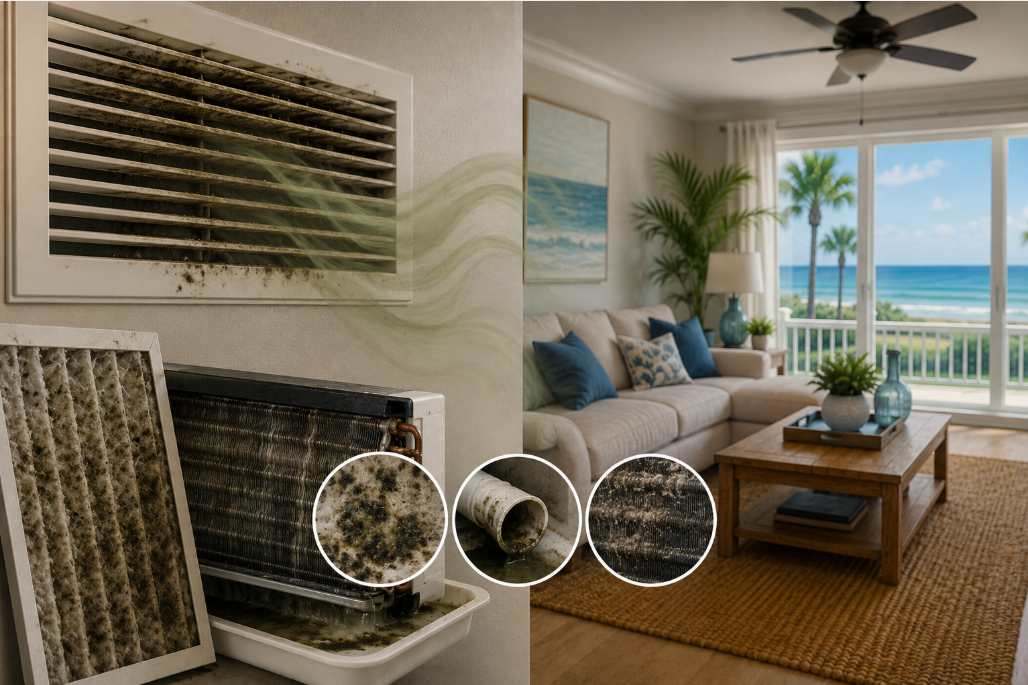
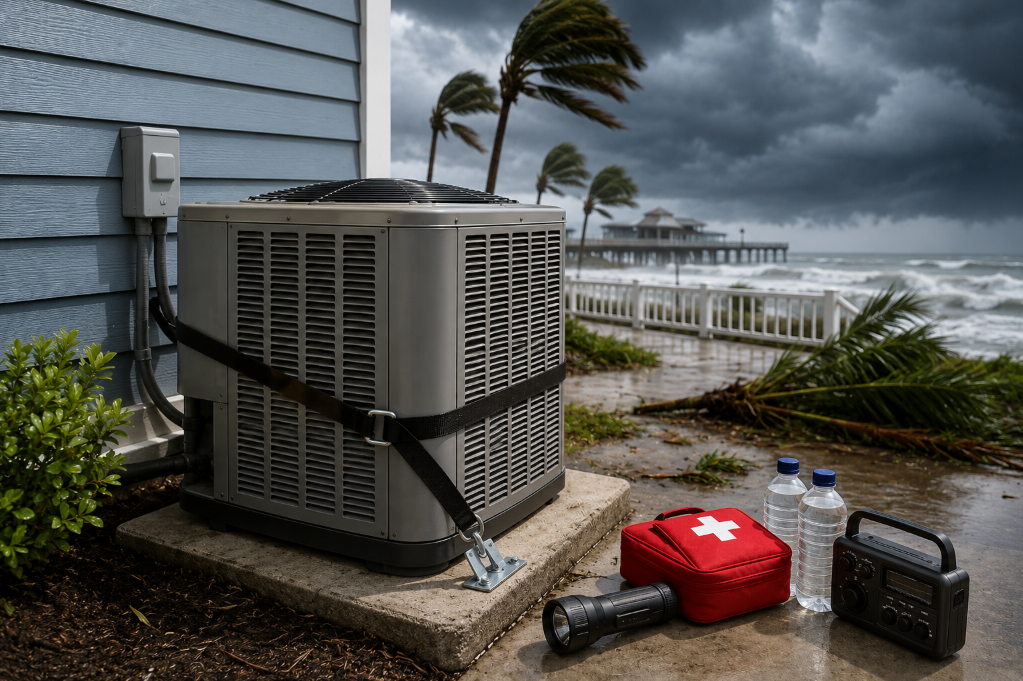
A: Galveston County’s coastal environment significantly impacts AC systems. High humidity levels can lead to mold growth within ductwork and coils, reducing efficiency and potentially requiring cleaning services. Salt air accelerates corrosion of outdoor unit components, including coils, electrical connections, and the compressor itself. This corrosion can cause premature failure of parts, necessitating more frequent replacements or more extensive repairs than in less corrosive environments. These environmental factors can increase both the frequency and the overall cost of AC repairs for homeowners in the area.
Q: What is the typical cost range for common AC repairs in Galveston County for 2026?
A: For 2026, common AC repair costs in Galveston County can range widely. Minor repairs, such as replacing a faulty capacitor or a thermostat, might cost between $150 and $400. Refrigerant recharges can vary significantly based on the type of refrigerant and the amount needed, typically falling between $250 and $800, not including leak detection and repair. Diagnosing a problem generally costs $75 to $150, which is often waived if you proceed with the repair through the same company. More extensive repairs, like replacing a fan motor or a contactor, could range from $300 to $700. Compressor replacements, one of the most expensive repairs, can cost $1,000 to $2,500 or more, often leading homeowners to consider system replacement instead.
Q: When should I consider replacing my AC unit instead of repairing it in Galveston County?
A: You should consider replacing your AC unit when repair costs become excessive or the unit is nearing the end of its lifespan. If your AC system is older than 10-15 years and requires frequent, expensive repairs, replacement often becomes more economical. A repair bill exceeding 30-50% of the cost of a new unit is a strong indicator for replacement. Older units also tend to be less energy-efficient, meaning a new system can save you money on utility bills in the long run. If your unit uses R-22 refrigerant, which is being phased out, replacement might be a better option due to the increasing cost and decreasing availability of R-22. Persistent issues with cooling performance, even after repairs, also suggest it’s time for a new system.
Q: How can regular maintenance help reduce AC repair costs in Galveston County?
A: Regular AC maintenance significantly reduces repair costs and extends the life of your system. Annual tune-ups allow technicians to identify and address minor issues before they escalate into major, expensive breakdowns. Cleaning coils, checking refrigerant levels, inspecting electrical connections, and lubricating moving parts all contribute to optimal performance. Well-maintained units operate more efficiently, which lowers energy bills. They also experience less wear and tear, reducing the likelihood of unexpected component failures. Proactive maintenance helps prevent emergency service calls, which typically carry higher labor rates, saving you money in both the short and long term.