?Want to cut down on those high electric bills in Galveston County You don’t need a new AC unit to achieve this. To get started, you can implement several effective strategies to lower your energy consumption right now. You will discover practical steps that save you money and keep your home cool.
Why Your Electric Bill Is Higher in Galveston County
You might notice your air conditioning system working overtime in Galveston County, especially during those relentless summer months. The unique coastal environment here places exceptional demands on your AC, leading to higher energy consumption than in inland areas.
Your AC system is constantly battling more than just high temperatures. The specific challenges of our coastal climate force your unit to expend extra energy, directly impacting your monthly electricity costs.
Impact of Extreme Coastal Humidity on Cooling Loads
The air in Galveston County carries a significant amount of moisture, making your AC unit work harder to remove humidity from your home. This process of dehumidification requires substantial energy, even when the temperature isn’t at its peak.
Your system struggles to achieve comfortable indoor conditions when the outdoor humidity levels are consistently high. This extended operation to dry the air contributes significantly to your increased energy usage.
Salt Air Corrosion and Its Effect on System Efficiency
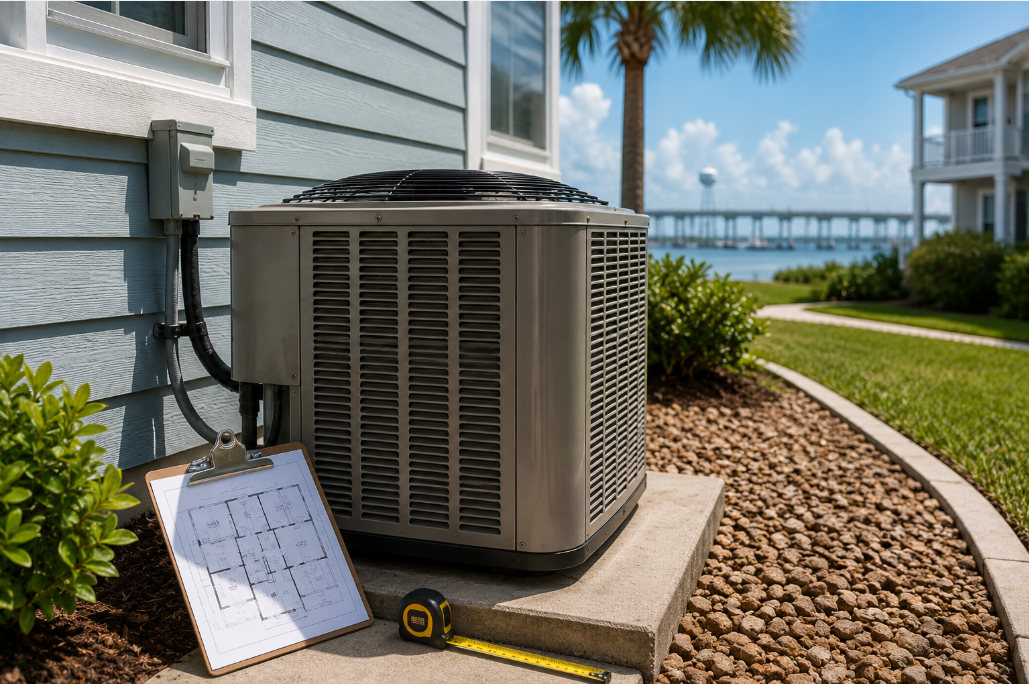
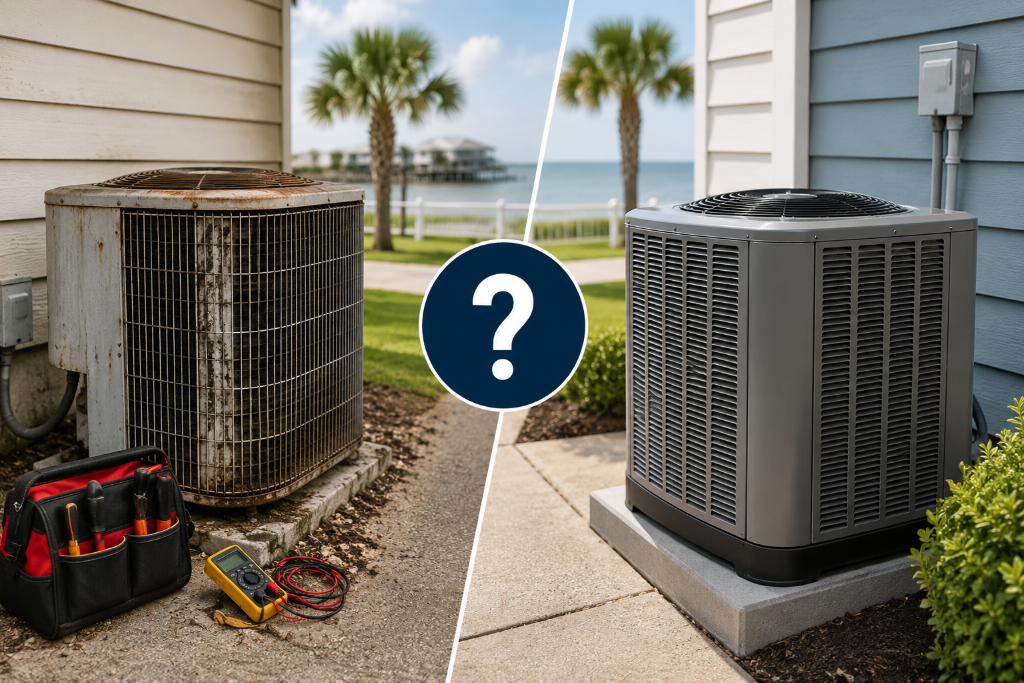
Salt particles carried by the coastal breezes can aggressively corrode the outdoor components of your AC unit. This constant exposure to salty air can damage the coils and other metal parts over time.
The corrosive effects compromise your system’s ability to transfer heat efficiently. A corroded coil, for example, cannot dissipate heat as effectively, forcing your compressor to run longer and consume more power to cool your home.
This corrosion not only reduces immediate efficiency but also shortens the lifespan of your unit. Over time, the accumulated damage can lead to more frequent breakdowns and costly repairs, further impacting your budget beyond just the electric bill.
How to Lower Your Electric Bill in Galveston County Without Replacing Your AC
Small Upgrades That Can Make a Big Difference
Many homeowners overlook the simple, inexpensive improvements that can dramatically reduce energy consumption. These small projects often yield immediate savings on your monthly electric bill, making your home more comfortable without the expense of a new AC unit.
You can start seeing noticeable changes by addressing common culprits of energy loss. Focusing on these areas will help your existing AC system work more efficiently and keep your home cooler.
Sealing the Home Envelope with Weatherstripping and Caulk
Warm, humid air constantly tries to infiltrate your home through tiny cracks and gaps. Applying weatherstripping around doors and windows creates a barrier, preventing conditioned air from escaping and unconditioned air from entering.
Similarly, using caulk to seal gaps around window frames, electrical outlets, and plumbing penetrations will further fortify your home’s envelope. This simple, affordable task can significantly reduce the workload on your AC system.
Installing Smart Controls and Energy-Efficient Window Treatments
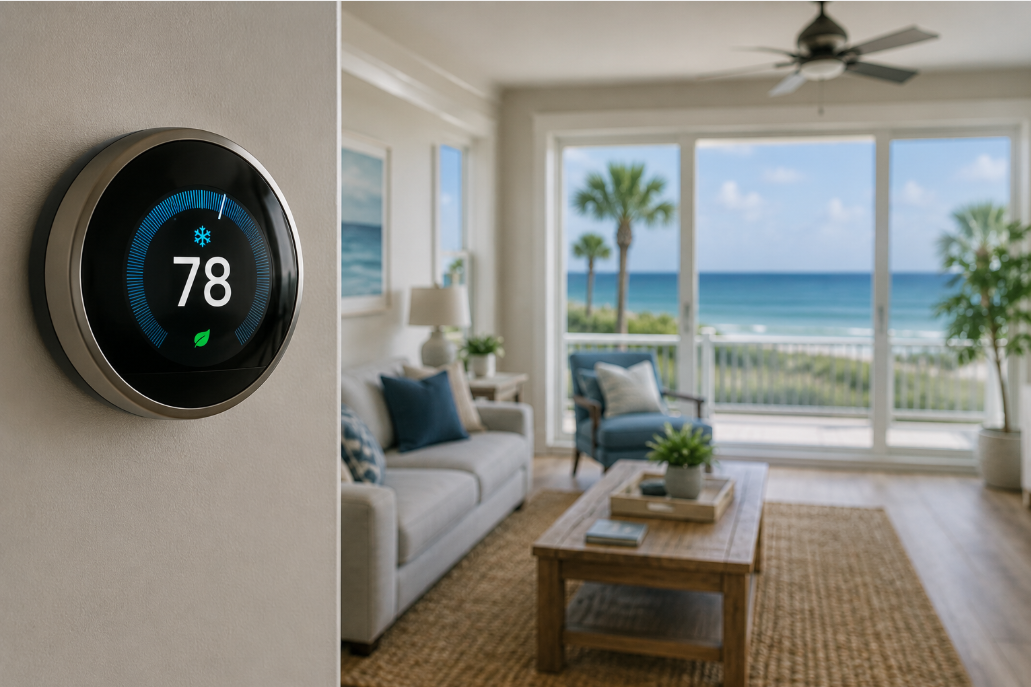
Consider upgrading to a smart thermostat, which allows you to program temperature settings based on your daily schedule and even control it remotely. This gives you precise control over your home’s cooling, preventing unnecessary energy use when you’re away.
Energy-efficient window treatments, such as blackout curtains or blinds, block direct sunlight and reduce heat gain through windows. This keeps your home naturally cooler, allowing your AC to run less frequently.
These smart controls and window treatments offer more than just energy savings; they provide enhanced comfort and convenience. You can schedule your AC to cool your home before you arrive, or use opaque shades to prevent the afternoon sun from overheating your living space, all contributing to a lower electric bill.
When High Energy Bills May Signal a Bigger Problem
You have tried all the simple fixes, yet your electric bill still seems stubbornly high. This persistent drain on your wallet often points to underlying issues within your AC system that demand professional attention, going beyond basic maintenance. Your system might be working overtime, consuming excessive energy without effectively cooling your home. A consistently high energy bill suggests your AC unit is struggling to meet your cooling demands efficiently. This struggle could stem from various hidden problems, forcing your system to run longer and harder than necessary, impacting both your comfort and your budget.
Recognizing Mechanical Wear and Component Fatigue
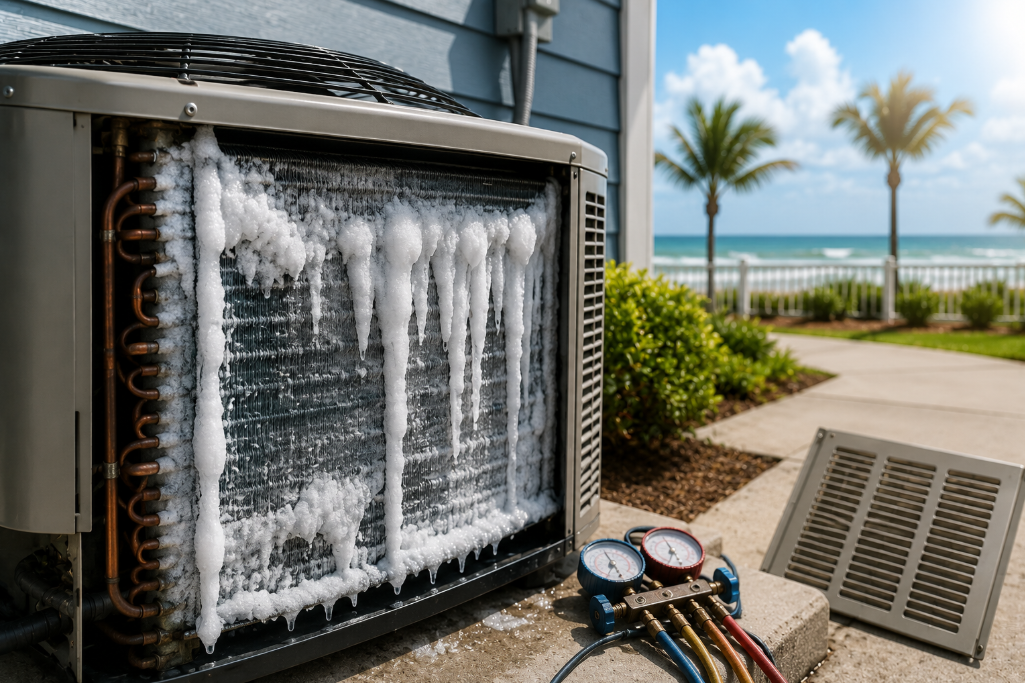
Your AC system’s internal components naturally wear down over time, especially in Galveston County’s demanding climate. These worn parts, like failing capacitors or corroded coils, force your unit to expend more energy to achieve the same cooling effect. You might notice your AC running for unusually long cycles. The strain of continuous operation can also lead to compressor issues or fan motor problems. These mechanical failures directly impact efficiency, causing your energy consumption to spike as the system compensates for its declining performance.
Identifying Hidden Ductwork Leaks and Airflow Obstructions
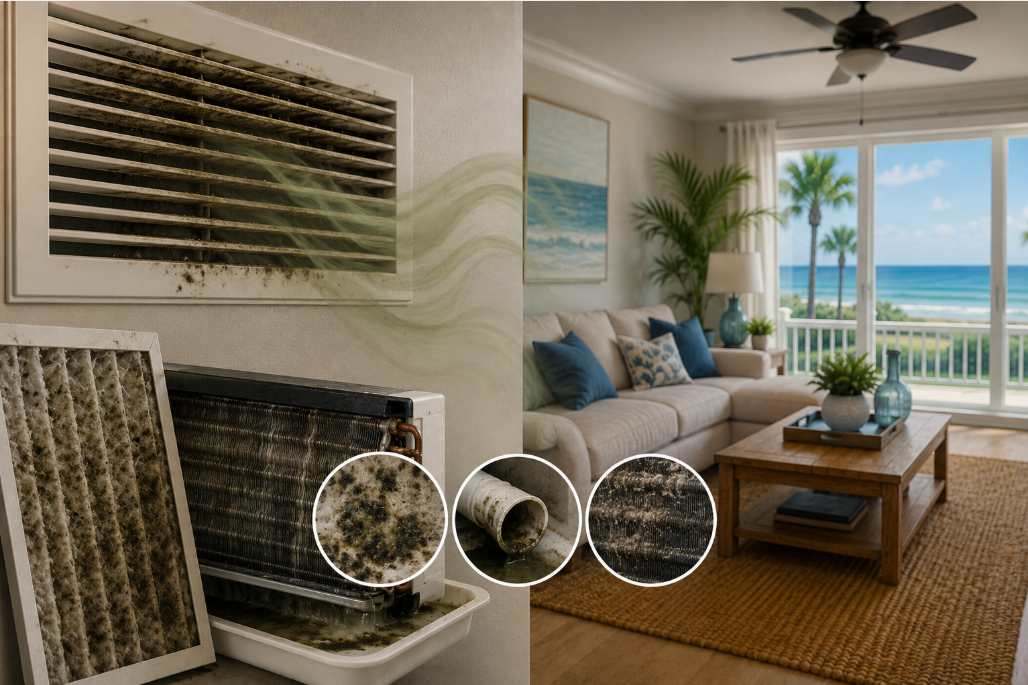
Cold air escapes through unnoticed cracks or gaps in your ductwork, especially in older homes. This leakage means your AC system cools attics or wall cavities instead of your living space, forcing it to run continuously to maintain your desired temperature. You are crucially paying to cool areas of your home that don’t need it. Obstructions within the ductwork, such as accumulated dust, debris, or even collapsed sections, severely restrict airflow. This blockage makes your AC unit work significantly harder to push air through, leading to higher energy consumption and reduced cooling effectiveness. Your home’s ductwork acts as the circulatory system for your cool air, and any compromise to its integrity directly impacts your AC’s efficiency. Even small leaks can lead to significant energy loss, as conditioned air escapes before it ever reaches your vents. Professional technicians use specialized tools to identify these hidden issues, ensuring your cool air stays where it belongs.
Lower Your Energy Costs with HVAC Services in Galveston County
While those initial steps offer immediate relief, investing in professional HVAC services can unlock even greater savings and system longevity. Expert technicians possess the tools and knowledge to diagnose deeper inefficiencies that simple adjustments might miss. You can transform your energy consumption by addressing these underlying issues, ensuring your AC operates at peak performance.
A comprehensive assessment of your system will reveal opportunities for optimization. You might discover that minor repairs or targeted cleaning can drastically improve your AC’s efficiency, directly translating to lower monthly bills. These professional interventions provide peace of mind, knowing your system is running as cost-effectively as possible.
The Importance of Professional Seasonal Tune-Ups
Regular maintenance ensures your AC system is ready to tackle the intense Galveston County heat and humidity. A professional tune-up involves a thorough inspection and adjustment of components, preventing small problems from escalating into costly breakdowns. You will notice a considerable difference in your system’s output and your energy usage.
Scheduling these seasonal checks helps keep your unit running efficiently throughout the year. Technicians can identify worn parts or potential issues before they cause your system to work overtime, directly impacting your electric bill. You are investing in consistent comfort and significant long-term savings.
Specialized Coil Cleaning for Saline Environments
Coastal air presents unique challenges for AC units, with salt and humidity accelerating corrosion and buildup on coils. Professional coil cleaning specifically designed for saline environments removes stubborn deposits that hinder heat exchange. You will find your system expends less energy to achieve the desired temperature.
Ignoring this specialized cleaning can lead to diminished efficiency and a shorter lifespan for your unit. The unique blend of salt and moisture in Galveston County air demands a more rigorous and targeted approach to coil maintenance. You can significantly extend your AC’s operational life and reduce energy consumption with proper care.
Cleaning your AC coils in a coastal environment requires more than just a standard rinse. Saline air leaves behind corrosive salt deposits that can significantly impact the coil’s ability to transfer heat. Specialized cleaning solutions and techniques are necessary to effectively remove these deposits without damaging the delicate fins, ensuring optimal airflow and heat exchange. This targeted approach prevents premature wear and tear, safeguarding your investment and keeping your electric bills in check.
Conclusion
From above, you can see that significant savings on your electric bill in Galveston County are achievable without replacing your AC. Implementing simple, consistent habits like regular filter changes and strategic thermostat adjustments will immediately impact your energy consumption. You will find that these small, proactive steps contribute greatly to your home’s overall energy efficiency and comfort.
Consider the cumulative effect of these actions. Regular HVAC maintenance, sealing air leaks, and using ceiling fans will lighten the load on your existing system, particularly in Galveston’s humid climate. You are not just lowering your bill; you are actively extending the lifespan of your current AC and creating a more sustainable home environment. Take control of your energy usage today.
FAQ
Q: How can I reduce my electric bill in Galveston County without replacing my AC system?
A: Many effective strategies exist to lower your electric bill without a full AC replacement. Start by regularly changing your air filters every 1-3 months. Dirty filters restrict airflow, forcing your AC to work harder. Adjusting your thermostat up a few degrees during the day and when you are away can also significantly cut energy use. Using ceiling fans in occupied rooms creates a wind-chill effect, allowing you to feel comfortable at a higher thermostat setting. Sealing air leaks around windows and doors with caulk or weatherstripping prevents cool air from escaping and hot air from entering your home. Keeping your outdoor AC unit free of debris, such as leaves and grass clippings, ensures proper airflow and efficient operation.
Q: What role does humidity play in Galveston County electric bills, and how can I address it without AC replacement?
A: Galveston County’s high humidity levels make your AC work harder to both cool and dehumidify your home. This increased workload directly translates to higher electric bills. You can combat humidity without replacing your AC by ensuring your current system is running optimally. Regular maintenance, including coil cleaning, helps your AC extract moisture more efficiently. Using ceiling fans helps circulate air, making the air feel cooler and less stagnant even with some humidity present. A dehumidifier can be used in particularly damp areas of your home, supplementing your AC’s moisture removal without overcooling the entire house. Ensuring proper ventilation in bathrooms and kitchens also prevents excess moisture buildup indoors.
Q: What are some simple, low-cost upgrades that can help lower my electric bill in Galveston County?
A: Several affordable upgrades can make a noticeable difference in your electric bill. Installing a programmable or smart thermostat allows you to set cooling schedules that match your daily routine, avoiding unnecessary cooling when you are not home. Adding insulation to your attic can prevent heat from entering your home and cool air from escaping, keeping your living spaces cooler. Using blackout curtains or blinds on windows that receive direct sunlight can block heat gain, reducing the workload on your AC. Draft stoppers for doors and outlet sealers are also inexpensive ways to prevent air leaks and improve your home’s thermal efficiency.
Q: How important is regular AC maintenance for saving money in Galveston County, and what does it involve?
A: Regular AC maintenance is extremely important for saving money, especially in a demanding climate like Galveston County’s. A well-maintained system runs more efficiently, consuming less electricity to achieve the same cooling. Maintenance typically involves cleaning the condenser and evaporator coils, checking refrigerant levels, inspecting electrical connections, lubricating moving parts, and ensuring the drain line is clear. These steps prevent minor issues from escalating into major, costly repairs and ensure your system is not working harder than necessary. Scheduling professional HVAC service once a year can extend the lifespan of your unit and keep your energy bills lower.
Q: My electric bills are still high despite following these tips. What could be a deeper issue, and how can I identify it without replacing my AC?
A: Persistently high electric bills, even after implementing energy-saving measures, can indicate a deeper issue within your existing AC system or home. Duct leaks are a common culprit; cool air escapes into unconditioned spaces like attics or crawl spaces, forcing your AC to run longer. You can often identify duct leaks by checking for drafts around vents or feeling for temperature differences in different rooms. Poor insulation in walls or ceilings can also allow significant heat transfer. An aging AC system, while not needing replacement, might have components that are failing or operating inefficiently. Consider having a professional HVAC technician perform an energy audit or a detailed inspection of your ductwork and system components to pinpoint specific inefficiencies. They can often recommend targeted repairs or upgrades that address these issues without requiring a full AC replacement.