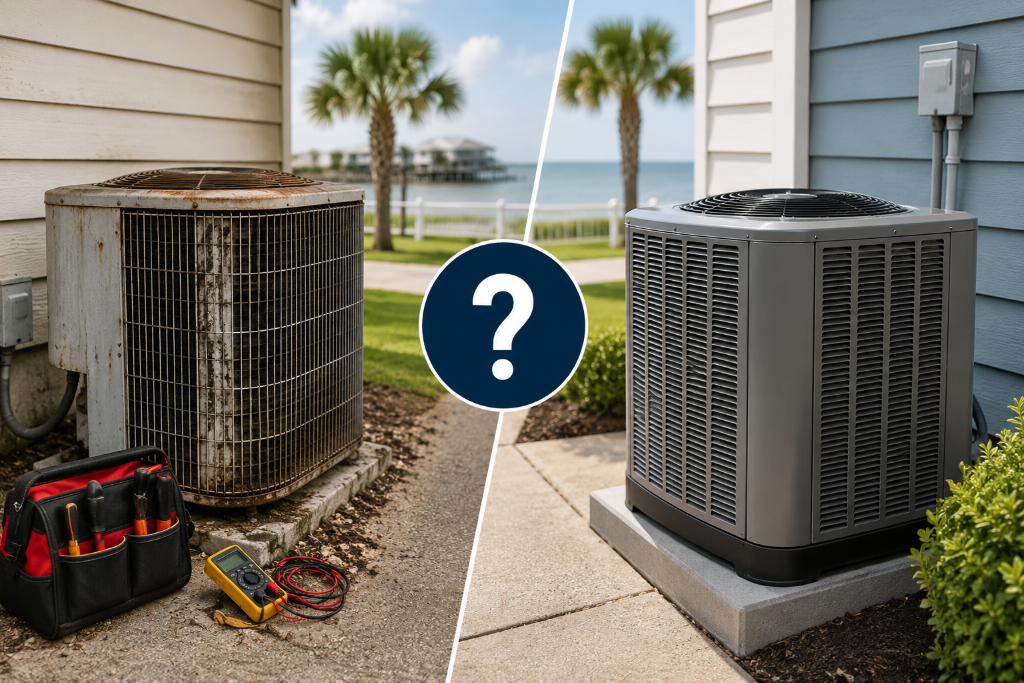
Coastal storms, a frequent occurrence in Galveston County, expose HVAC systems to unique hazards. Wind-driven debris can directly impact outdoor units, causing physical damage to coils and fan blades. The risk of flooding in areas like Galveston Island and Jamaica Beach also poses a significant threat, potentially submerging and destroying outdoor compressors and electrical components. Power outages and the subsequent restoration of electricity often introduce severe electrical stress to these sophisticated systems. Voltage fluctuations and sudden power surges are common during these events, capable of inflicting considerable damage to sensitive internal circuitry. Such electrical disturbances can lead to a cascade of problems, shortening the lifespan of various components.
Key Factors That Lead to Compressor Failure
The compressor, the heart of any HVAC system, is particularly vulnerable during power disruptions. Repeated attempts to restart the unit immediately after a power outage can overstress this component, leading to premature wear. The sudden rush of electricity during a power surge can also cause immediate and catastrophic failure. An inadequate supply of voltage, or “brownouts,” can force the compressor to work harder than intended, generating excessive heat and strain. This sustained stress significantly reduces its operational life. Recognizing signs such as unusual noises, warm air, or reduced airflow after an outage can indicate compressor damage.
Understanding Voltage Spikes and Electrical Stress
Power surges represent sudden, brief increases in electrical voltage that can occur during lightning strikes or when power is restored after an outage. These intense bursts of energy can overwhelm and burn out delicate circuit boards and other electronic controls within the HVAC system. Even minor, repeated voltage fluctuations, often undetectable to the homeowner, can cause cumulative stress. This constant electrical stress gradually degrades insulation and weakens internal components, making the system more susceptible to future failures. Homeowners might not see immediate damage, but the long-term impact manifests as reduced efficiency and unexpected breakdowns. A dedicated surge protector can significantly mitigate these risks, diverting excess voltage away from the sensitive electronics of the HVAC unit.
Pre-Storm HVAC Protection Checklist for Galveston Homeowners
Homeowners across Galveston County understand the importance of preparing for severe weather. A comprehensive pre-storm checklist for HVAC systems can prevent extensive damage and costly repairs when hurricanes or tropical storms approach. Taking these preventative measures ensures the system is as resilient as possible against the elements. This preparation extends beyond just the unit itself, encompassing the surrounding environment and the home’s electrical safeguards. Proactive steps significantly reduce the likelihood of storm-related malfunctions and prolong the lifespan of this important home equipment.
How-to Secure Outdoor Equipment Against High Winds
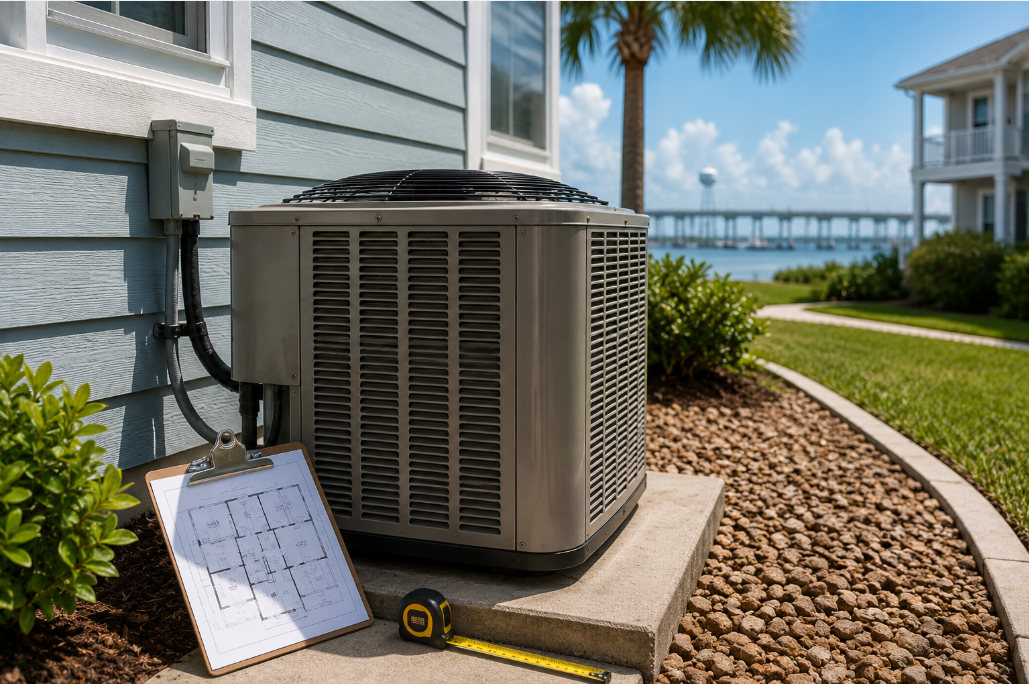
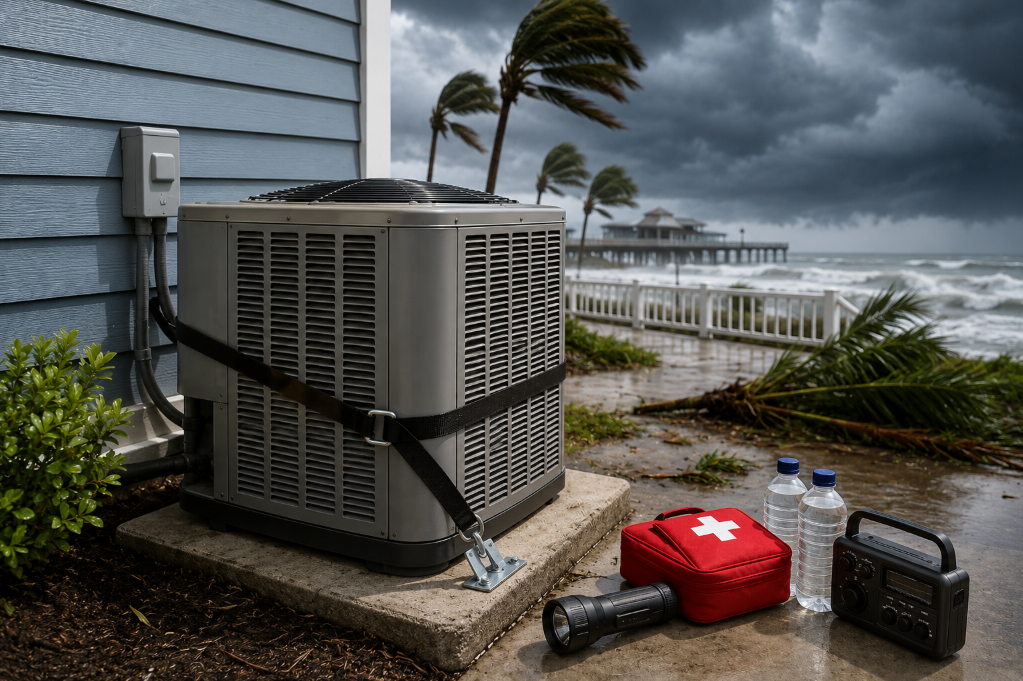
High winds pose a significant threat to outdoor HVAC units during a storm. Securing these units properly can prevent them from being dislodged or damaged by flying debris. Homeowners should ensure the unit is firmly anchored to its pad. Consider elevating outdoor equipment in flood-prone areas to protect against rising water. Removing any loose items around the unit, such as lawn furniture or decorative planters, will also minimize potential projectiles.
Proactive Tips for Preventing Electrical Surges
Power surges are a common and destructive consequence of power outages or lightning strikes. Protecting an HVAC system from these electrical fluctuations is critical for preserving its delicate components. A dedicated surge protector for the HVAC unit offers significant defense. Homeowners should also ensure their main electrical panel has whole-home surge protection installed. Disconnecting the HVAC system at the breaker before a storm makes landfall removes the unit from potential surge pathways.
- Power surges can cause instant and irreversible damage to circuit boards and compressors within an HVAC system.
- Installing a professional-grade, dedicated surge protector specifically for the HVAC unit is a highly recommended preventative measure.
- Whole-home surge protection at the electrical panel provides an additional layer of defense for all connected appliances, including the HVAC system.
- Turning off the HVAC system at the thermostat and then at the main breaker before a storm effectively isolates it from potential electrical disturbances.
- Recognizing the signs of a power surge, even after the fact, can help homeowners assess potential damage.
Signs Your HVAC System Was Damaged During a Storm
Even with the best preparation, storms can still inflict damage on an HVAC system. Homeowners in Galveston County should remain vigilant for specific indicators that suggest their unit has been compromised. Recognizing these signs early can prevent more extensive and expensive repairs down the line. A damaged system might struggle to maintain comfortable temperatures, or it could exhibit completely new operational quirks. Catching these problems quickly allows for timely intervention, protecting both the equipment and the home’s comfort.
Warning Factors: Unusual Noises and Electrical Odors
Strange sounds originating from the HVAC unit post-storm often signal internal damage. These can range from grinding and banging in the outdoor unit to buzzing or clicking from the indoor components. Such noises indicate potential issues with motors, fans, or even the compressor itself. A burning smell or a distinct electrical odor should immediately raise a red flag. This scent often points to overheating wires, a damaged circuit board, or other electrical components that have been compromised by power surges or water intrusion. * Any new, persistent noise should be investigated. * Never ignore the smell of burning plastic or ozone. Recognizing these warning signs can prevent further damage and potential safety hazards.
Tips for Identifying Performance Inconsistencies
The most apparent sign of post-storm damage often manifests as a change in the system’s ability to cool or heat the home effectively. Homeowners might notice that the air coming from the vents is not as cold or warm as it should be, or that certain areas of the house remain uncomfortable despite the system running. Another common inconsistency involves the system cycling on and off more frequently than usual, or conversely, running constantly without achieving the desired temperature. These deviations from normal operation indicate that the unit is struggling to perform its function.
- Check if the thermostat setting matches the actual room temperature.
- Feel the air coming from the vents; it should be consistently cool or warm.
The system might also exhibit reduced airflow, even if the fan appears to be operating, suggesting blockages or fan motor issues. Homeowners should pay close attention to the duration of cooling or heating cycles. If the system is running for extended periods without reaching the set temperature, or if it cycles off too quickly, it suggests an underlying problem. Reduced airflow from the vents, even if the fan is active, could indicate debris obstruction, fan motor issues, or damage to the ductwork. A professional inspection can accurately diagnose these performance inconsistencies and pinpoint the exact source of the problem.
- Monitor the length of cooling and heating cycles.
- Evaluate the strength and temperature of air coming from all vents.
The appearance of condensation or leaks around the indoor unit, especially if previously absent, also warrants immediate investigation.
Why Post-Storm HVAC Inspections Matter
Post-storm inspections are paramount for homeowners in Galveston County. Hidden damage from power surges, voltage fluctuations, or moisture intrusion can compromise system integrity and lead to expensive repairs down the line. A thorough examination helps pinpoint these issues before they escalate. A professional assessment also provides peace of mind. Homeowners gain confidence knowing their HVAC system is operating safely and efficiently after enduring the stress of a power outage or severe weather event.
How to Ensure System Reliability and Safety
System reliability after a power outage depends on careful post-storm procedures. Homeowners should wait a suitable period before attempting to restart their HVAC unit, allowing the power grid to stabilize. Checking the electrical breakers for any trips or signs of damage is also a recommended first step. Observing the system for unusual noises, burning smells, or a lack of cool air indicates potential problems. Reduced airflow or warm air coming from vents are clear warning signs that professional attention is required immediately to prevent further damage or safety hazards.
Professional Tips for Validating Insurance Claims
Documenting any damage meticulously is necessary for insurance claims. Homeowners should take clear, time-stamped photographs and videos of both exterior and interior units, noting any visible signs of impact or malfunction. Detailed notes regarding the date of the outage, any unusual occurrences, and the observed system behavior will also support a claim. A certified HVAC technician’s report provides objective evidence of the damage. This professional assessment, outlining the cause and extent of the issues, is often required by insurance providers to process claims effectively.
- Obtain a written report from a licensed HVAC professional.
- Keep all receipts for emergency repairs or temporary solutions.
- Maintain a log of communication with your insurance company.
Recognizing the importance of comprehensive documentation significantly strengthens a homeowner’s position during the claims process.
Conclusion
With these considerations, homeowners in Galveston County can significantly protect their HVAC systems from the damaging effects of power outages and severe weather. Proactive measures, such as installing surge protectors and securing outdoor units, minimize the risk of costly repairs. Taking these preventative steps before a storm makes a substantial difference in the system’s resilience.
A professional post-storm inspection offers peace of mind, identifying both obvious and concealed damage. This diligent approach safeguards a homeowner’s investment, ensuring their HVAC system remains reliable and functional when comfort is most needed. Preparing for the unpredictable nature of coastal storms protects the longevity of important home equipment.
FAQ
Q: How can homeowners in Galveston County protect their HVAC systems from power surges during an outage?
A: Power surges pose a significant threat to HVAC electronics during power fluctuations and outages. Installing a whole-home surge protector is the most effective defense. This device installs at your main electrical panel and protects all appliances, including your HVAC system, from sudden spikes in voltage. A dedicated surge protector specifically for your outdoor AC unit also provides an extra layer of protection for that expensive component. Homeowners should also consider unplugging non-crucial electronics, including the indoor HVAC unit’s power cord if easily accessible, when a major storm or extended outage is anticipated.
Q: What physical preparations should be made for outdoor HVAC units in flood-prone areas like Galveston, Jamaica Beach, or Bolivar Peninsula?
A: Outdoor HVAC units are susceptible to flood damage. If your property is in a known flood zone, consider elevating your outdoor compressor unit before storm season. Placing the unit on a sturdy, elevated concrete pad or specialized stand can prevent water intrusion into electrical components and the compressor itself. Clearing all debris, such as leaves, branches, and loose items, from around the unit is also important. These items can become projectiles in high winds or block airflow, reducing efficiency and potentially causing damage. Securing the unit to its pad with hurricane straps can prevent it from shifting or being carried away by floodwaters or strong winds.
Q: How should I properly shut down my HVAC system before a predicted power outage or hurricane landfall?
A: Properly shutting down your HVAC system minimizes the risk of damage from power fluctuations and surges when the grid goes down. First, turn off the thermostat to the “off” position. Next, locate the outdoor disconnect switch, typically a small gray box near your outdoor compressor unit, and flip the switch to the “off” position. Inside your home, find your main electrical panel and switch off the circuit breakers labeled for your furnace/air handler and your outdoor AC unit. This complete shutdown isolates your system from the electrical grid, preventing potential damage when power is restored, which often comes with initial surges.
Q: What steps should Galveston County residents take when restarting their HVAC system after a power outage?
A: Patience is key when restoring power to your HVAC system. After power has been restored to your home, wait at least 30 minutes before attempting to restart your HVAC. This waiting period allows the electrical grid to stabilize, reducing the chance of damage from immediate power surges. First, go to your main electrical panel and flip the circuit breakers for your furnace/air handler and outdoor AC unit back to the “on” position. Next, go to the outdoor disconnect switch and flip it to “on.” Finally, return to your thermostat and set it to your desired mode and temperature. Listen for any unusual noises or smells during startup, as these can indicate damage.
Q: When is a professional HVAC inspection necessary after a storm or extended power outage in Galveston County?
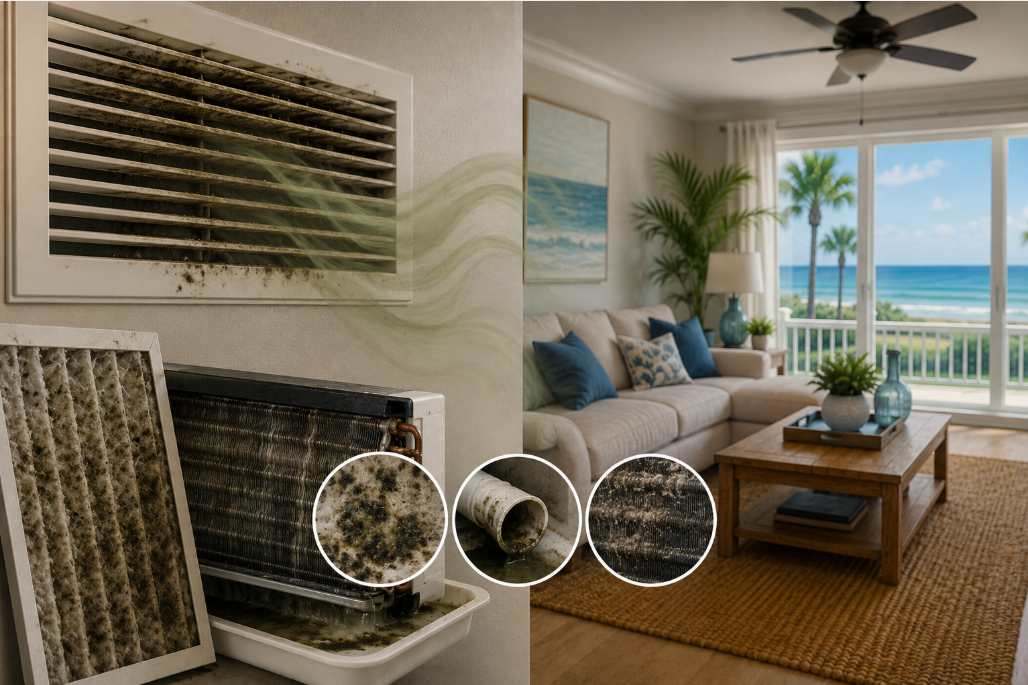
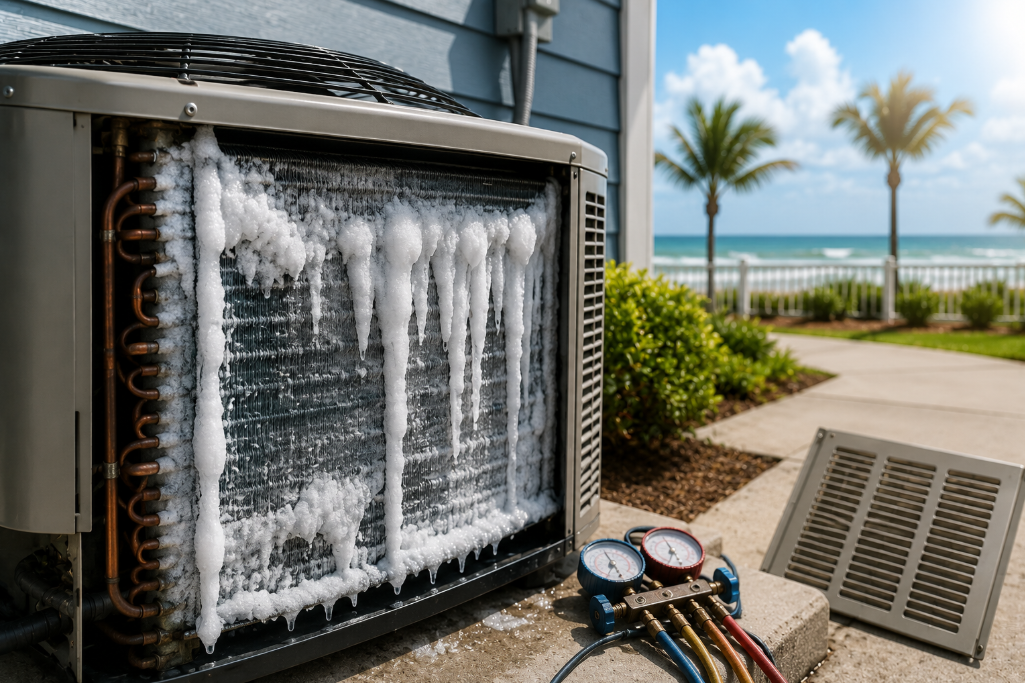
A: A professional HVAC inspection is highly recommended after any significant storm or extended power outage, especially in coastal areas. Even if your system appears to be working, hidden damage can exist. A technician can check for subtle electrical issues caused by surges, inspect for moisture intrusion into sensitive components, and verify refrigerant levels and overall system integrity. They can also identify any physical damage to the outdoor unit, such as bent fins or compromised wiring. This proactive inspection can prevent minor issues from escalating into major, costly repairs and provides valuable documentation if you need to file an insurance claim for storm-related damage.