Living along the Texas coast comes with undeniable benefits, but it also introduces a set of environmental challenges that many homeowners underestimate—especially when it comes to protecting their HVAC systems. Between heavy rainfall, storm surges, and persistent humidity, coastal properties face conditions that can quickly compromise even newer air conditioning systems.
Flooding isn’t just an inconvenience. When water reaches your HVAC system, it can cause immediate damage and trigger long-term issues that aren’t always visible right away. Understanding how these risks affect your system—and what you can do about them—can make a significant difference in both performance and lifespan.
Why Coastal Texas Homes Face Higher Flood Risk
The geography of coastal Texas plays a major role in why flooding is such a consistent threat. Much of the region is flat and low-lying, which makes it easier for water to accumulate during storms. Even a heavy rainstorm can lead to pooling water, but when you factor in hurricanes and tropical systems, the risk increases dramatically.
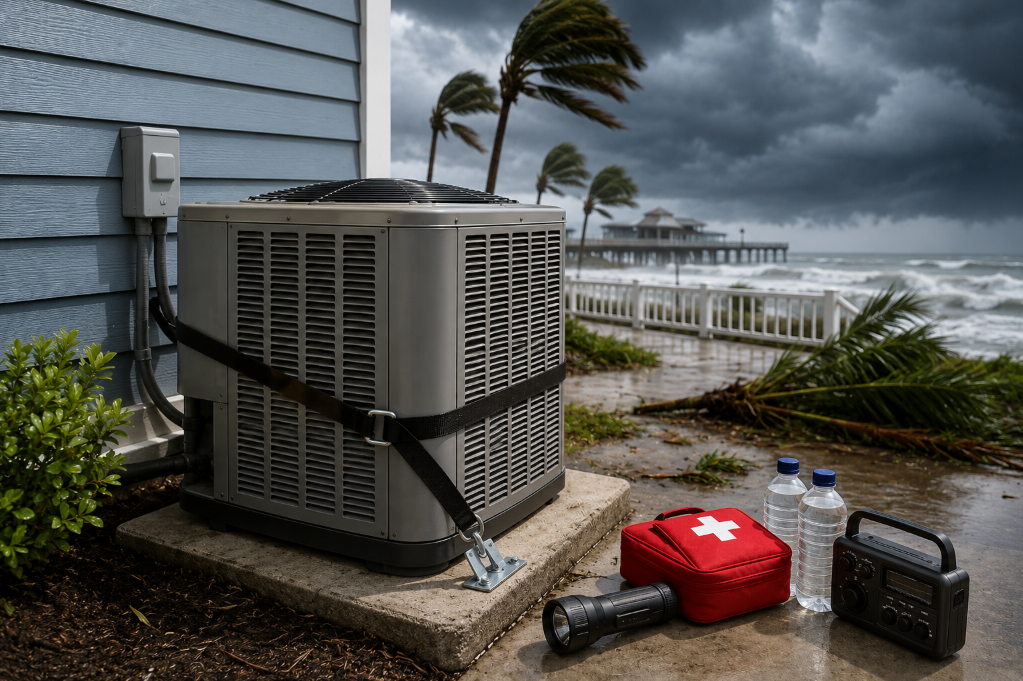
Storm surges are one of the biggest concerns. Unlike regular tidal changes, storm surges occur when strong winds push large volumes of water inland. The Gulf of Mexico’s shallow coastal shelf allows these surges to build in height and travel farther than many homeowners expect. That means properties that aren’t directly on the shoreline can still experience significant flooding.
Over the past several decades, storms like Hurricane Harvey and Hurricane Ike have shown just how severe these conditions can become. Flooding that was once considered rare is now happening more frequently, and infrastructure—including HVAC systems—is taking the impact.
What Floodwater Actually Does to an HVAC System
When floodwater reaches your HVAC system, the damage is rarely limited to one component. Instead, it affects the system in multiple ways at once—physically, electrically, and chemically.
The most immediate issue is the force of moving water. Outdoor condenser units are heavy, but they aren’t immovable. Floodwater can shift them off their base, damaging refrigerant lines and electrical connections in the process. Even a slight displacement can cause internal stress that leads to performance issues later on.
At the same time, water intrusion into electrical components can cause instant failure. Control boards, wiring, capacitors, and motors are all highly sensitive to moisture. Once water enters these areas, short circuits become likely, and even if the system appears to dry out, corrosion can continue developing behind the scenes.
Floodwater also carries debris—mud, silt, organic material, and contaminants. These materials can settle inside the unit, clogging coils and restricting airflow. Over time, this buildup reduces efficiency and creates an environment where mold and bacteria can thrive.
The Lasting Impact of Saltwater Exposure
In coastal areas, floodwater often contains salt, which makes the situation significantly worse. Saltwater doesn’t just cause damage—it accelerates it.
When salt comes into contact with metal components, it acts as an electrolyte, speeding up corrosion. Copper tubing, aluminum fins, and steel housing components all begin to deteriorate much faster than they would under normal conditions. This can lead to refrigerant leaks, weakened structural integrity, and eventual system failure.
Even after the water evaporates, salt residue remains behind. That residue continues attracting moisture from the air, creating a cycle of ongoing corrosion. Electrical components are especially vulnerable because salt can continue conducting electricity, leading to intermittent issues or delayed breakdowns weeks or even months later.
This is why saltwater exposure often results in full system replacement rather than repair. The damage is rarely isolated, and the long-term reliability of the system becomes questionable.
Common Types of HVAC Damage After Flooding
Once an HVAC system has been exposed to flooding, several problems tend to appear, sometimes all at once.
Corrosion is one of the most widespread issues. As metal components begin to degrade, the system loses its ability to transfer heat efficiently. This not only affects performance but also increases energy consumption as the unit works harder to compensate.
The compressor is another major concern. As the central component responsible for circulating refrigerant, it is particularly sensitive to water damage. If water enters the compressor or its electrical connections, it can fail completely. In many cases, replacing the compressor alone is not cost-effective, which pushes homeowners toward replacing the entire system.
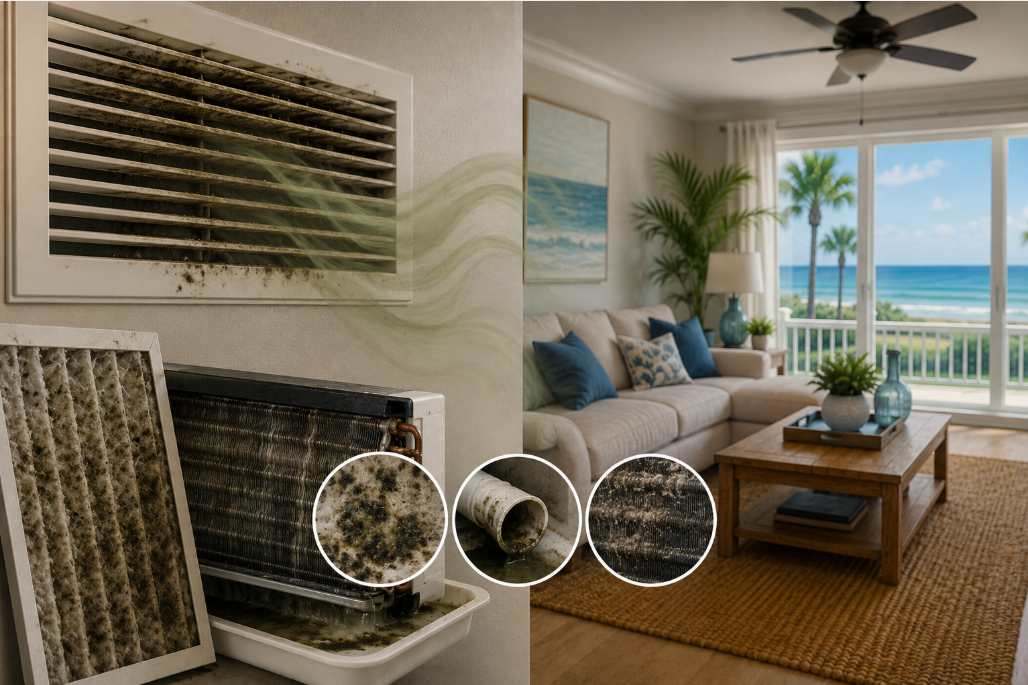
Ductwork contamination is also common, especially if flooding reaches indoor components. Moisture combined with organic debris creates ideal conditions for mold growth. Once mold enters the duct system, it can spread throughout the home, affecting indoor air quality and potentially creating health issues.
Signs Your HVAC System May Have Flood Damage
After a storm, it’s important to take a close look at your HVAC system before attempting to use it. Some signs of damage are obvious, while others are more subtle.
Unusual noises are often one of the first indicators. Grinding, rattling, or excessive vibration can signal internal damage caused by debris or corrosion. These sounds should never be ignored, as they often precede more serious mechanical failures.
Visible evidence is also important. Waterlines on the unit, mud buildup, or debris inside the cabinet are clear signs that flooding has occurred. Even if the system appears intact from the outside, these indicators suggest that water has likely entered critical components.
Odors can provide additional clues. A musty smell may point to mold growth inside the system or ductwork, while a burning smell can indicate electrical damage. Both situations require immediate attention before the system is operated again.
Safety Concerns You Shouldn’t Overlook
One of the biggest mistakes homeowners make is attempting to restart their HVAC system too soon after flooding. This can be dangerous.
Electrical hazards are a major concern. Water and electricity are a dangerous combination, and even if power has been turned off, submerged components can still pose a risk. Until the system has been inspected by a professional, it should remain off.
There’s also the possibility of refrigerant leaks. Flood damage can compromise sealed components, allowing refrigerant to escape. These substances must be handled properly, both for safety and environmental reasons.
Mold growth is another issue that can escalate quickly. Once moisture enters the system, it doesn’t take long for mold to begin spreading. This can affect air quality throughout the home and lead to respiratory problems if not addressed promptly.
What to Do Immediately After Flood Exposure
If your HVAC system has been exposed to floodwater, your first step should be to shut off power to the unit at the breaker. This prevents further electrical damage and reduces safety risks.
Next, document everything. Take clear photos of any visible damage, including waterlines, debris, and affected components. This documentation will be important when filing an insurance claim.
From there, the most important step is to contact a licensed HVAC technician. Even if the system appears to be functioning, hidden damage can exist. A professional inspection will determine whether the system can be repaired or needs to be replaced.
Repair vs. Replacement: What Makes the Difference
Deciding whether to repair or replace a flooded HVAC system depends on several factors. The depth of the water, the length of exposure, and the type of water all play a role.
If the system was only briefly exposed to shallow freshwater, some components may be salvageable. However, if saltwater was involved or if the system was submerged for an extended period, replacement is often the safer and more practical option.
The age of the system also matters. Older units that were already nearing the end of their lifespan may not be worth repairing, especially when you consider the risk of future issues. In many cases, investing in a new, high-efficiency system provides better long-term value.
Insurance and Warranty Considerations
Many homeowners are surprised to learn that standard homeowners insurance policies typically do not cover flood damage. Instead, flood-related losses are usually handled through separate policies, such as those provided by the National Flood Insurance Program (NFIP).
If you live in a flood-prone area, having this type of coverage is essential. Without it, you could be responsible for the full cost of repairs or replacement.
Manufacturer warranties also tend to exclude flood damage. Most warranties include clauses that void coverage if the system has been exposed to natural disasters. This means that even newer systems may not be protected after a flood event.
Preventing Future HVAC Flood Damage
While you can’t control the weather, you can take steps to reduce the risk of damage to your HVAC system.
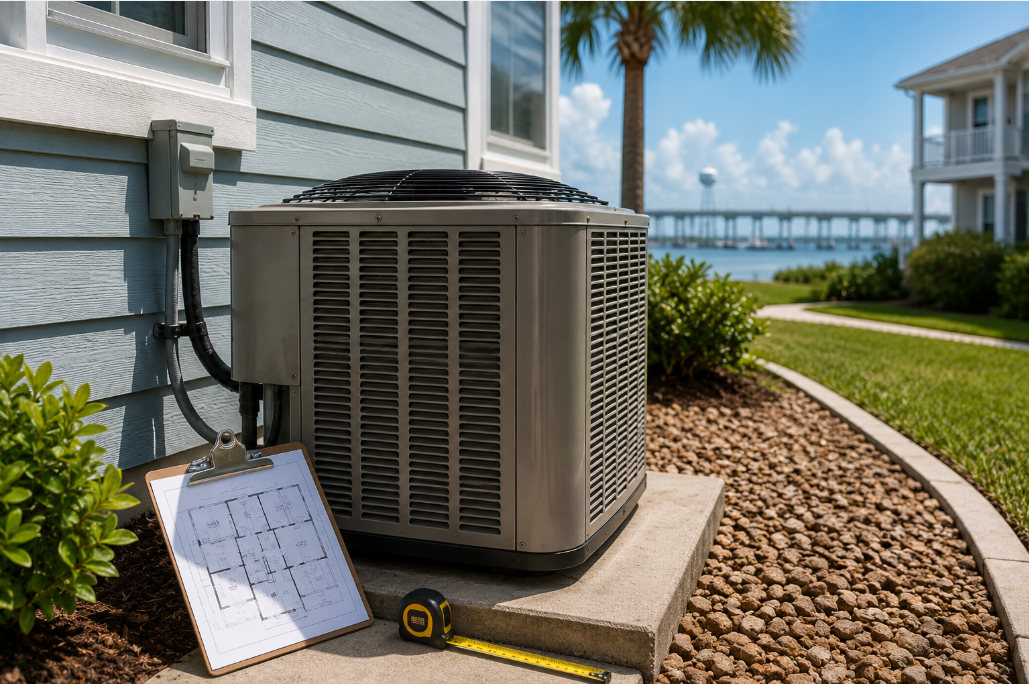
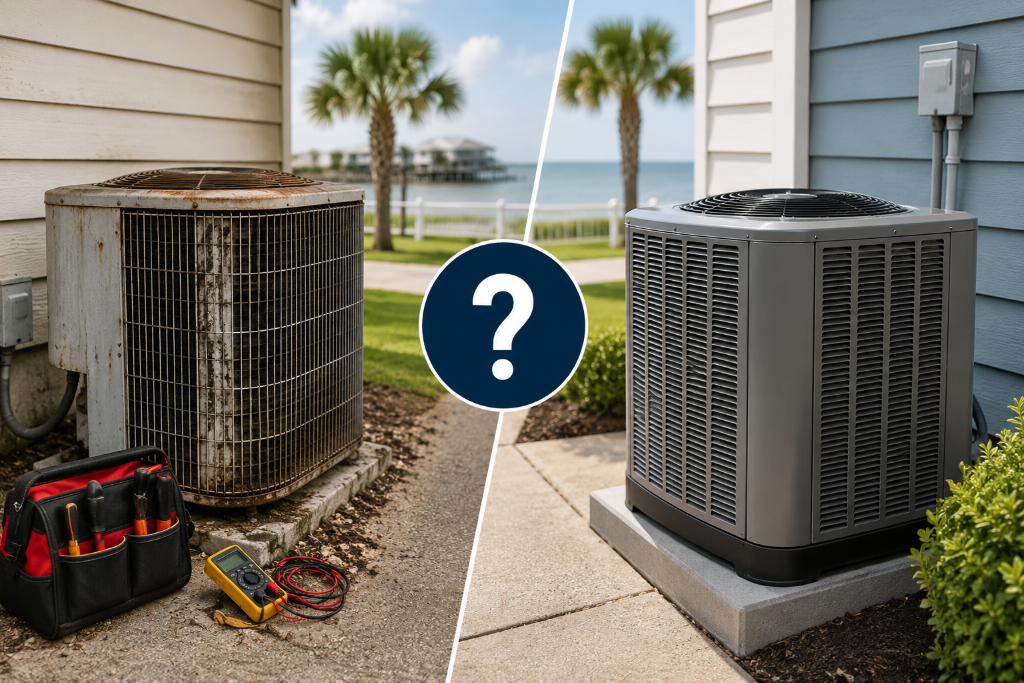
Elevating the outdoor unit is one of the most effective strategies. By placing the unit on a raised platform, you can keep it above potential flood levels. This simple adjustment can prevent direct water exposure during moderate flooding.
Installing protective barriers can also help. These barriers are designed to deflect water and debris, providing an extra layer of protection during storms.
For indoor components, relocating equipment such as air handlers to higher levels of the home can significantly reduce risk. Keeping these critical parts out of flood-prone areas helps preserve system functionality even if flooding occurs.
Long-Term Maintenance in Coastal Environments
Maintaining an HVAC system in a coastal area requires a proactive approach. Salt and humidity are constant factors, even outside of major storms.
Regularly rinsing the outdoor unit with fresh water can help remove salt buildup and reduce corrosion. This is especially important after severe weather or periods of high humidity.
Professional inspections should also be part of your routine maintenance plan. Technicians can identify early signs of corrosion or wear before they develop into larger problems.
Managing indoor humidity is equally important. High humidity levels can strain the system and contribute to mold growth. Using high-quality air filters and ensuring proper dehumidification can improve both system performance and indoor air quality.
Final Thoughts
Flooding and storm surges present serious challenges for HVAC systems in coastal Texas homes. The combination of water intrusion, salt exposure, and debris can cause both immediate damage and long-term deterioration.
The key is knowing how to respond. Avoid restarting a flooded system, have it inspected by a professional, and understand when replacement is the better option. At the same time, taking preventative measures—like elevating equipment and maintaining your system properly—can go a long way in reducing future risk.
By staying proactive, homeowners can protect their HVAC systems, maintain comfort, and avoid the costly consequences that often follow coastal flooding.
FAQ
Q: Does saltwater damage HVAC systems more than freshwater?
A: Yes. Saltwater is far more corrosive and continues damaging components even after it dries. It accelerates rust and can lead to long-term electrical and mechanical failure.
Q: What should I do if my HVAC unit was flooded?
A: Turn off power at the breaker immediately and do not turn the system back on. Once it’s safe, contact an HVAC professional to inspect the unit for damage.
Q: Can a flooded HVAC system be repaired?
A: It depends. Minor freshwater exposure may allow for repairs, but saltwater damage usually requires full system replacement due to corrosion and reliability issues.
Q: Is it safe to run my AC after a flood?
A: No. Running a flooded system can cause electrical hazards and further damage. Always have it inspected before turning it back on.
Q: Can flooding affect my indoor air quality?
A: Yes. Floodwater can introduce mold, bacteria, and debris into ductwork, which can circulate through your home and impact air quality.
Q: Will homeowners insurance cover HVAC flood damage?
A: Typically no. Flood damage is usually only covered under a separate flood insurance policy, not standard homeowners insurance.
Q: How can I protect my HVAC system from future flooding?
A: Elevating the outdoor unit, installing protective barriers, and relocating indoor components to higher areas can help reduce flood risk.