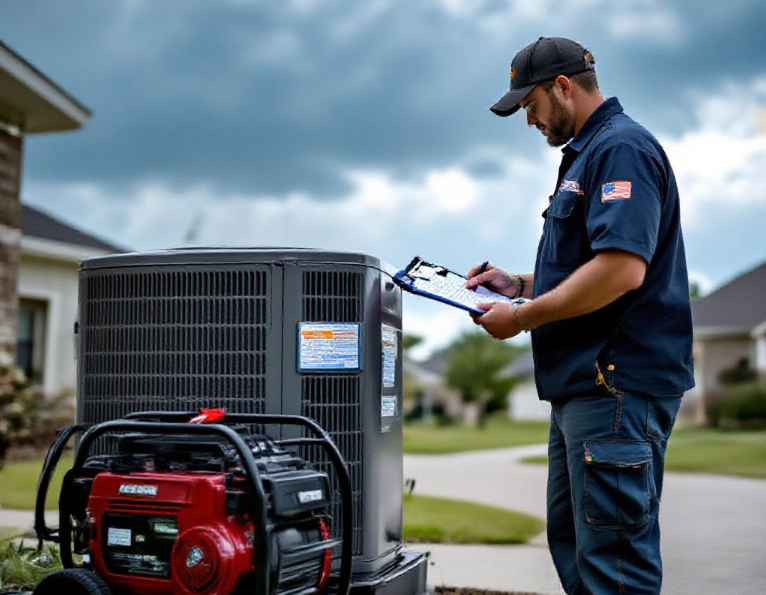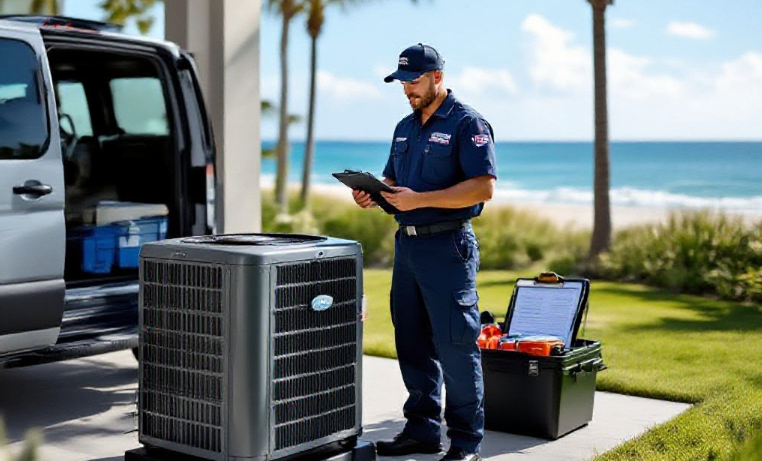
There’s a handful of common reasons your heater is blowing cold air in La Marque, TX, and you can often troubleshoot them yourself. Check your thermostat, ensure the fan is set to AUTO (not ON), inspect breakers, and replace dirty filters-coastal systems clog faster. Pilot light or ignition faults require a professional, as do leaky ducts or poor insulation that let warm air escape. If your heater still blows cold air or makes odd smells or noises, contact Alex’s Air Conditioning for reliable heater repair to restore your comfort.
Common Reasons Your Heater Blows Cold Air
Thermostat Issues
If your fan is set to “ON” instead of “AUTO,” the blower will continue to circulate unheated air between heating cycles, which often feels like cold air being pushed through vents. You should also check the setpoint – a 2-5°F offset between the thermostat and room temperature can mean the furnace never reaches the call-for-heat. Digital thermostats can lose calibration over time, and battery-powered units typically need fresh batteries every 6-12 months to avoid intermittent shutdowns.
Miscalibration or poor placement can fool the system: a thermostat mounted near a sunny window or a drafty doorway may read higher or lower than the rest of the house and short-cycle the furnace. When you adjust settings and the furnace still doesn’t run, test by raising the setpoint 5-10°F above room temperature; if the furnace still won’t ignite, the issue may lie beyond the thermostat and require a technician.
Dirty Air Filters
A clogged filter restricts airflow and forces the blower to work harder, which reduces heat transfer from the heat exchanger and can trigger limit switches that shut off burners – leaving you with cold air. In coastal La Marque, humidity and airborne salt particles mean filters can load up faster; many homeowners find 1-inch filters need replacement every 30 days during heavy use, while thicker 4-5 inch pleated filters may last 3 months.
Use the filter size stamped on the frame and choose a MERV rating appropriate for your system (MERV 8-11 for most homes); higher MERV ratings trap more particles but can impede airflow if your blower isn’t sized for them. Keep a supply of replacement filters on hand and mark the date when you install one so you can track changes during peak heating season.
More info: restricted airflow from dirty filters can also cause the heat exchanger to overheat and the furnace to short-cycle, which accelerates wear and can lead to costly repairs. If you notice uneven heating or a rise in energy bills after replacing the filter, inspect for additional blockages or have a pro check static pressure and system sizing.
Duct Problems
Leaky or poorly insulated ducts let warm air escape into attics, crawlspaces, or walls before it reaches living areas, so you feel cold air at the registers despite the furnace running. Typical homes can lose roughly 20% of heated air to duct leaks; in older or uninsulated systems the loss can be much higher, producing large temperature differences between rooms.
Check visible ducts for disconnected joints, crushed sections, or gaps around register collars. Sealing with mastic or UL-listed foil tape and adding insulation (R‑6 to R‑8 for ducts in unconditioned attics) can noticeably improve delivery. If rooms are still uneven, a duct-blaster test or professional balancing will identify hidden leaks and improper airflow distribution.
More info: common symptoms of duct issues include cold spots near vents, excessive dust around registers, and rooms that are consistently several degrees cooler than the thermostat area. A professional can quantify leakage and estimate savings-sealing and insulating ducts often reduces heating energy use by up to 10-20% in leaky systems.
Pilot Light or Ignition Issues
If you have a gas furnace, a failed pilot light or ignition system will prevent burners from lighting while the blower may still run, producing cold air from the vents. Faulty thermocouples, a worn hot-surface igniter, or a dirty flame sensor are common failures; hot-surface igniters typically last 5-10 years and replacement costs vary by model and labor.
Watch the burner flame color and behavior: a weak, flickering, or yellow flame indicates incomplete combustion or a dirty burner, whereas no flame indicates an ignition failure. Because gas components and combustion issues pose safety risks, you should shut off the system if you smell gas and contact a licensed HVAC technician to diagnose and repair ignition or pilot assemblies.
More info: an ignition fault often results in the blower running without heat because the safety circuit prevents gas flow to protect the unit. Technicians will check error codes, test the ignition control, and either clean or replace the flame sensor/igniter; routine annual service can catch these problems before they leave you with cold air.
What You Can Check Before Calling a Technician
Start by confirming simple controls and power: set your thermostat to HEAT and the fan to AUTO (having the fan on ON will circulate cool air between cycles), raise the setpoint 3-5°F above the current room temperature, and check the furnace breaker and the 24V fuse at the control board. If you have a gas furnace, verify the pilot or ignition sequence visually-if the pilot is out or the igniter keeps trying and failing, that points to an ignition issue best handled by a pro for safety.
Next, inspect airflow and components that commonly fail in coastal Texas: dirty filters, closed or blocked registers, and leaky ductwork. Dirty filters can restrict flow enough that the burner or heat pump runs but warm air never reaches rooms; replacing a clogged 1‑inch filter can restore proper heat in minutes. If those quick checks don’t stop the cold air, note any unusual smells, banging, or repeated short cycling and call an HVAC technician to avoid further damage.
Inspecting the Thermostat
Verify the thermostat mode reads HEAT and the fan is set to AUTO, not ON; an ON fan will blow unheated air during off cycles. Replace the batteries if the display is dim, and check the programmable schedule-vacation or setback settings often leave the house cooler than you expect. Set the temperature a few degrees higher than room temperature to force a call for heat and observe whether the system responds within a couple of minutes.
Confirm the thermostat’s placement and calibration: avoid locations near windows, heat-producing appliances, or direct sun that can mislead the sensor. If you have a heat pump, ensure the thermostat is configured for heat pump operation (including auxiliary/emergency heat settings) and consider a quick reset of the unit or thermostat if it won’t call for heat after checking power and batteries.
Changing Air Filters
Check the filter size stamped on the frame and the airflow arrow so you reinstall it correctly; many homes use 1‑inch pleated filters that need replacing every 1-3 months, while thicker 4-5‑inch media filters can last 6-12 months. Hold the filter up to a light source-if you can’t see light through most of the pleats, replace it. During winter in coastal La Marque, expect higher replacement frequency because humidity, pollen, and salt spray cause faster loading.
Turn off power to the furnace or air handler before removing the old filter, then slide in the new filter with the arrow pointing toward the blower. Note that using a high‑MERV filter (greater than MERV 11-13) on an older system can restrict airflow; choose a filter that balances particle capture with your system’s airflow capacity.
For extra guidance, mark the install date on the filter frame and inspect monthly-family size, pets, and nearby construction can cut replacement interval to 30 days. If you find repeated rapid clogging, that’s a sign of duct leaks or external contamination and you should schedule a professional inspection.
Checking Vents and Registers
Walk each room and confirm supply registers are open and pointed to allow flow; push vent slats fully open and vacuum dust buildup that can cut output by 10-20%. Don’t block return grills with furniture, drapes, or rugs-restricted returns can force the system into short cycling and reduce delivered heat. If a room stays cold, check for closed dampers in the attic or basement-many systems have manual dampers in the trunk lines that someone may have adjusted.
Use your hand or an infrared thermometer at the supply register while the system is calling for heat: you should feel noticeably warm air within a minute; if supply air is only slightly warmer than room temperature, that suggests a heating-side problem (burner, heat exchanger, or heat pump fault) rather than a register issue. Also inspect visible duct runs for obvious disconnected joints or crushed flexible duct that will reduce performance.
To locate small duct leaks, pass an incense stick or a thin strip of tissue along seams while the blower is running-steady movement indicates a leak worth sealing. Large or inaccessible leaks, significant insulation gaps, or ductwork in poor condition should be addressed by an HVAC technician to restore proper heat distribution.
When to Call a Professional HVAC Technician
If your basic checks – thermostat set to AUTO, a clean filter, and a tripped breaker reset – don’t stop the cold air, call a pro. You should also schedule service when the unit is older than about 15 years, when you see a steady decline in heating performance, or when energy bills rise noticeably without a change in usage. A technician can run diagnostics (typical service visits run 30-90 minutes) to identify failed components like a bad hot-surface ignitor, malfunctioning gas valve, or a cracked heat exchanger that you can’t safely assess yourself.
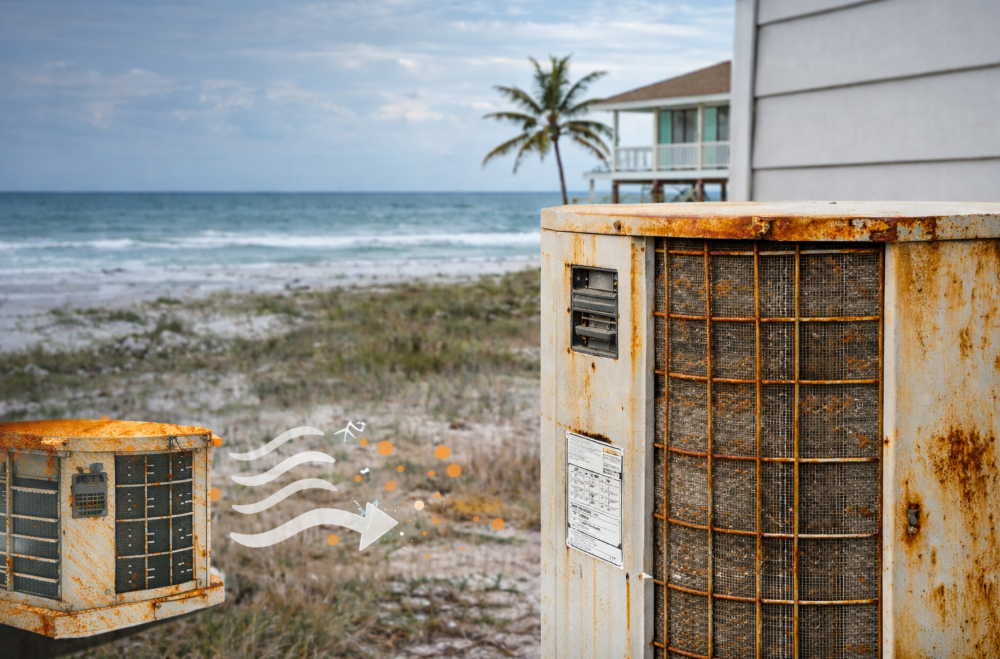
In La Marque’s coastal environment, salt air can accelerate corrosion on burners and electrical connections, so plan to call an HVAC tech sooner if you spot rust, flaky wiring, or frequent short cycling. Expect an accurate repair estimate after the inspection – minor fixes often cost under a few hundred dollars, while major repairs such as replacing a heat exchanger or control board can run into the high hundreds or low thousands.
Signs of Major Issues
If your heater cycles on and off more than 3-4 times per hour (short cycling), produces a yellow or flickering pilot flame instead of a steady blue one, or blows consistently cold air despite running, those are strong indicators of a serious problem. Other red flags include visible soot or black residue around the burner, frequent limit-switch trips, and a thermostat that calls for heat but the furnace fails to ignite. These symptoms often point to combustion or airflow failures that need licensed hands-on diagnostics.
Pay attention to unusual noises such as banging, rattling, or loud hissing, and to unexplained spikes in your gas or electric bill. For example, a failing blower motor or a clogged heat exchanger can both reduce heat transfer efficiency and force the system to run longer, escalating wear and the likelihood of more costly repairs down the line.
Safety Concerns
Any smell of natural gas (often described as rotten eggs) or activation of a carbon monoxide (CO) alarm requires immediate action: shut off the gas at the meter if you can do so safely, evacuate everyone from the home, and call your gas utility or emergency services from a safe location. Do not operate light switches, appliances, or your thermostat if you suspect a gas leak; electrical arcs can ignite leaking gas. These situations are emergencies and should be handled by utility personnel and a licensed HVAC technician.
After evacuating, document what you observed (smell, alarm time, any irregular system behavior) and provide those details to the technician and utility crew – that information speeds diagnosis. Technicians will check for flame color and stability, test for CO, inspect the heat exchanger for cracks, and evaluate venting and gas connections; repairs can range from a simple seal or burner cleaning to replacement of the heat exchanger, which is a higher-cost safety repair.
Why Choose Alex’s Air Conditioning in La Marque, TX
Experienced Professionals
You get NATE-certified, Texas-licensed technicians with more than 10 years serving La Marque and Galveston County and 3,500+ service calls on record, so your heater issues – from faulty thermostats and pilot/ignition failures to leaky ductwork – are diagnosed by technicians who see these exact problems weekly.
Mobile service vans are stocked with common furnace parts and diagnostic tools like combustion analyzers, thermal imaging and digital manometers, which lets the tech often complete diagnostics in under an hour and finish most repairs the same day without a second trip to your home.
Customer Satisfaction Focus
Alex’s provides written, transparent estimates before any work starts and offers 24/7 emergency response so you’re not left with cold rooms overnight; for example, a La Marque homeowner with a cycling furnace had ducts sealed and system balanced the same day, restoring even temperatures and reducing estimated heat loss by roughly 15%.
Every repair includes a 12-month parts-and-labor warranty and a 30-day follow-up inspection, and maintenance customers receive priority scheduling and discounted diagnostic fees – customers on a maintenance plan typically see service response times under 24 hours.
When you enroll in their preventive maintenance plan you receive two annual tune-ups that include filter replacement, thermostat calibration, safety checks and a detailed service report with photos and recommended next steps, which helps you track system health and can extend equipment life by an estimated 2-5 years.
Frequently Asked Questions
Why does my heater blow cold air intermittently?
If your system only blows cold air between heating cycles, the first thing you should check is the thermostat fan setting-if it’s on “ON” you’ll get continuous airflow that feels cool when the burners are off; switch to “AUTO” so the fan runs only during heating cycles. Dirty filters are a common culprit in La Marque: replace a pleated filter every 1-3 months and every 30 days if you have pets or high humidity, since restricted airflow can cause short cycling or trigger safety limits that shut burners off. Oversized furnaces and short cycling also produce similar symptoms, and leaky ducts can steal as much as 20-30% of your heated air, so inspect visible duct runs and insulation if rooms feel uneven.
When should you call an HVAC technician and what will it cost?
If changing the filter, switching the thermostat to AUTO, and checking the breaker don’t fix it-or if you smell gas, see yellow or irregular pilot flames, or hear banging/metallic noises-turn the system off and call a professional right away. Typical diagnostic fees in the area run $75-$150; common repairs range from $200-$600 for ignition/control board work, $300-$900 for blower motor replacement, and $200-$600 for duct sealing. You should request same-day or emergency service if indoor temperatures drop below 50°F or someone in your home is vulnerable; Alex’s Air Conditioning offers local heater repair and can provide on-site estimates.
Tips for Preventative Maintenance
Routine Tasks You Can Do
Change your air filter every 1-3 months – every 30 days if you have pets or allergies – and check it monthly during peak heating periods; clogged filters can cut output and raise run times by 10-20%. Verify your thermostat is set to AUTO (not ON), confirm its reading is within ±2°F of actual room temperature, and keep supply registers clear so airflow isn’t restricted. In coastal La Marque, wipe salt and debris from the outdoor unit and inspect visible duct seams for signs of corrosion or detachment.
- Replace filters: 1-3 months (30 days with pets)
- Vacuum and clear vents: quarterly
- Seal ductwork with mastic tape or metal-backed foil tape if you find gaps; older homes can lose 10-30% of conditioned air through leaks
- Keep 2-3 ft clearance around the outdoor unit and rinse coils gently to remove salt buildup
- Test the pilot/flame color on gas furnaces – a steady blue flame indicates proper combustion; yellow or flickering flames need professional attention
When to Call a Pro
Schedule professional tune-ups twice a year (late fall and early spring) so a technician can perform combustion analysis, measure static pressure, check gas pressure/ignition components, lubricate motors, and verify safety controls; these measures typically catch issues before they cause a heater to blow cold air. Local service calls often show 40-60% of “no heat” complaints stem from restricted airflow and 20-30% from thermostat or ignition faults, so if you detect unusual noises, rapid cycling, or the smell of gas, arrange service immediately. Any missed maintenance step can shorten equipment life and increase energy use, so set calendar reminders or enroll in a maintenance plan to avoid emergency repairs.
Summing up
From above, the most common reasons your heater blows cold air include thermostat settings (the fan set to “ON” instead of “AUTO”), pilot or ignition failures in gas furnaces, dirty air filters that restrict airflow-especially in coastal La Marque-leaky ductwork, and poor insulation that lets warm air escape before it reaches your living spaces.
You should check your thermostat, replace the air filter, and inspect the circuit breaker before calling for service; if those steps don’t restore warm air or you detect strange smells or noises, call an HVAC professional. Alex’s Air Conditioning provides reliable heater repair in La Marque, TX-contact them to get your heat working safely and quickly.
FAQ
Q: Why is my heater blowing cold air right after I turn it on?
A: Check the thermostat first – if the fan is set to “ON” it will run continuously and blow cool air between heat cycles; set it to “AUTO” so the fan only runs when the heat is active. If you have a heat pump, a short period of cool air can occur during a defrost cycle. If cold air continues for more than a few minutes after startup, or the unit cycles frequently without producing heat, call a technician.
Q: Can a dirty air filter cause my heater to blow cold air?
A: Yes. A clogged filter restricts airflow, reduces heat transfer across the heat exchanger or coil, and can make the system overwork without delivering warm air. In coastal La Marque your system may load up faster with dust, pollen, and salt deposits – inspect and replace filters per the manufacturer (often every 1-3 months) and check vents for obstructions.
Q: Could a pilot light or ignition problem be the reason my gas furnace is blowing cold air?
A: Yes. If the pilot light has gone out or the electronic ignitor is failing, the burner won’t light and the furnace will circulate unheated air. Signs include repeated ignition attempts, clicking noises, or a visible flame out. Do not attempt complicated gas repairs yourself; if you smell gas, evacuate and call the gas company and a qualified HVAC service immediately.
Q: Are leaking ducts or poor insulation making my heater seem like it’s blowing cold air?
A: Leaky or poorly insulated ductwork can dump warm air into attics, crawl spaces, or walls before it reaches rooms, causing weak or cool supply at registers. Uneven heating between rooms, warm air at the register but a cold room, or ducts that feel cool to the touch are signs. Sealing and insulating ducts or improving home insulation can restore heat delivery and efficiency.
Q: What should I check before calling a technician, and when should I contact Alex’s Air Conditioning in La Marque, TX?
A: Quick checks: confirm thermostat mode is set to HEAT and fan to AUTO, raise the setpoint above room temperature, replace the air filter, inspect breaker and switch powering the furnace, and verify gas supply/pilot where applicable. If cold air persists, you detect burning or gas odors, hear unusual noises, or see repeated cycling or ignition failures, call a professional. Alex’s Air Conditioning provides heater repair in La Marque, TX – contact us to restore your home’s comfort quickly and safely.