Deciding whether to repair or replace your aging air conditioner can be challenging. If you notice your system frequently breaks down, struggles to cool your home, or causes energy bills to soar, these are clear indicators that your AC may be nearing the end of its lifespan. Understanding when repairs no longer provide value and knowing how to select a more efficient unit can save you money and improve comfort. This guide will help you evaluate your current system and make an informed decision for your home’s cooling needs.
Indicators That Signal It’s Time for an AC Replacement
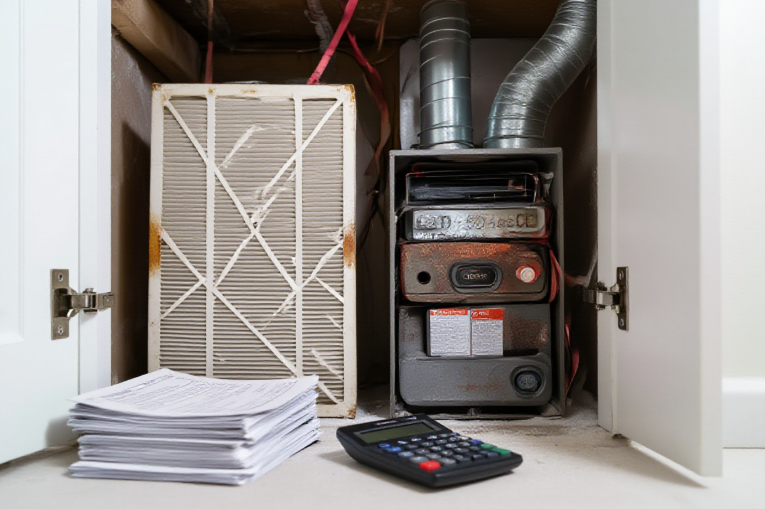
When your air conditioner starts requiring repairs more frequently, it’s a clear marker that its efficiency is declining. You might notice uneven cooling throughout your home, with some rooms feeling noticeably warmer than others despite the thermostat setting. Additionally, poor airflow from vents can indicate issues with the compressor or ductwork that might not be cost-effective to fix as the system ages. If your monthly energy bills have suddenly jumped without increased usage, this often points to your AC laboring harder to maintain the desired temperature, signaling that it may be time for an upgrade.
Listening to odd noises like banging, grinding, or rattling from the unit can also reflect internal damage or deteriorating components. While some repairs can extend the life of your AC, a system consistently underperforming and requiring parts replacement will contribute to more frustration and unexpected expenses. Considering Texas’ harsh summers, an unreliable or inefficient AC can turn your home into an uncomfortable space, making replacement a practical move for both comfort and peace of mind.
The Lifespan of Your Air Conditioner
Air conditioning units usually last about 10 to 15 years, but intense use in hot climates like Texas can reduce this range by several years. If your unit is near or beyond the decade mark, it’s less likely to operate at peak efficiency and more prone to breakdowns. Systems that have not undergone regular maintenance also face a shorter life expectancy due to accumulation of dirt, wear on key components, and refrigerant leaks. Knowing the approximate age of your unit helps frame the decision to invest in repairs or look for a replacement while you still have time.
Some of the most modern air conditioners now boast improved durability and energy-saving technologies, making a new install more appealing when your existing system shows signs of aging. The cost of keeping an old unit running can quickly add up, especially compared to the long-term savings of buying a new, energy-efficient model that will likely serve you well for another 15 years or more.
Repair Costs vs. Replacement
When repair bills begin to approach 50% or more of the price of a new air conditioner, replacing your system usually makes better financial sense. For example, if your AC needs a $1,000 compressor replacement but a comparable new system costs around $2,500 to install, a new unit often represents a smarter investment. Repairs on aging units also tend to multiply—as one component fails, others soon follow—which can lead to a cycle of recurring expenses.
Besides the upfront cost, repairs don’t improve your AC’s efficiency, whereas a new system can reduce your cooling costs by 20% to 40%, according to energy efficiency studies. Evaluating your repair history alongside your unit’s age offers clear insight into when stopping repairs and starting fresh will save you both money and trouble in the long run.
To make the best choice, track the cumulative repair expenses over the past few years and compare them to the cost of a new, energy-efficient model tailored to your home size and cooling needs. Including potential energy savings and improved reliability usually tips the balance in favor of replacement, especially in climates as demanding as La Marque’s.
The Financial Impact of New Air Conditioning Systems
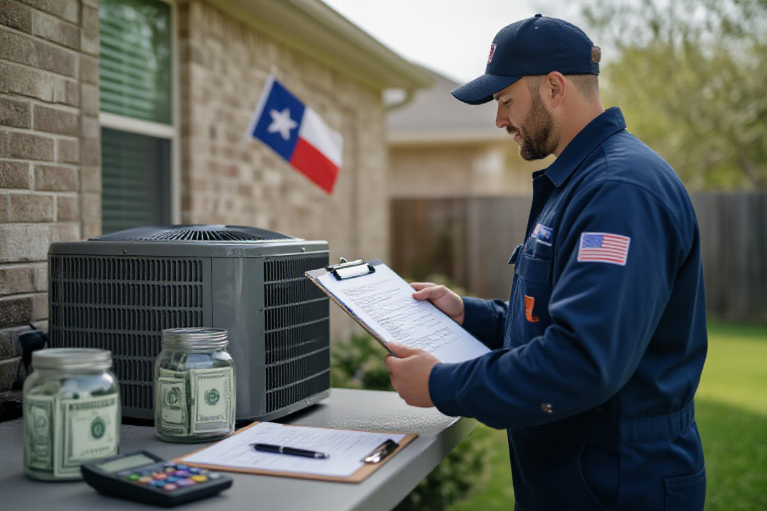
Replacing your old AC involves upfront costs that can seem daunting, but understanding the full financial picture helps put those numbers into perspective. The price of a new air conditioning system often ranges from $3,000 to $7,000, depending on factors like unit size, SEER rating, and installation complexity. In Texas, the combination of high cooling demands and professional installation rates tends to push costs toward the higher end of that spectrum, especially for homes that require ductwork updates or system upgrades. Factoring in potential rebates and tax incentives available for energy-efficient models can also reduce the initial expense significantly.
Spending thousands upfront may feel steep, but the alternative often means continuous repair bills that add up quickly. With older units, a single major repair can cost $500 or more, and those expenses grow as the system ages. When your AC breaks down multiple times in a season or struggles to maintain a consistent temperature due to wear and tear, these repair costs can surpass the investment in a new system within just a few years. Assessing these expenditures alongside energy consumption helps clarify the real cost-benefit balance over the life of your AC.
Understanding New Air Conditioner Costs in Texas
The Texas climate demands a system that can reliably cool your home for extended periods, driving up the size and capacity requirements—and with them, your investment. Installing a properly sized and efficient air conditioner tailored to the heat load and square footage of your La Marque home typically leads to better performance and lower energy bills. For example, systems with a Seasonal Energy Efficiency Ratio (SEER) rating of 16 or higher are commonly recommended to meet both cooling needs and energy regulations in Texas, often influencing the initial cost upward but ensuring longer-term savings.
Labor costs in Texas also influence the total expenditure for a new AC. Professional HVAC technicians typically charge between $75 to $150 per hour, with full installations requiring several hours to complete. This means that any additional repairs needed for existing ductwork or electrical upgrades can further add to your investment. Comparing quotes from local installers and inquiring about seasonal promotions can help you find the most competitive prices without sacrificing quality or warranty coverage.
Long-Term Savings with Energy Efficiency
Modern air conditioning units come equipped with advanced technology designed to reduce both energy consumption and your monthly utility bills. By upgrading to a high-efficiency system, you could reduce cooling costs by 20% to 40%, depending on your previous unit’s efficiency and usage patterns. Given Texas’ long and hot summers, these savings accumulate quickly, often recouping the initial investment for a new system in as little as five years. Variable-speed compressors, smart thermostats, and improved refrigerants contribute to these advances, ensuring more consistent temperatures and quieter operation while using less power.
Energy Star-certified systems in particular offer tangible advantages, with some models achieving SEER ratings above 20. These units often qualify for utility rebates or tax credits in Texas, improving your bottom line even more. Additionally, newer models typically benefit from fewer repairs and longer lifespans, reducing unexpected maintenance expenses and providing peace of mind that your home will stay comfortable without frequent interruptions.
Incorporating features like programmable thermostats and zoning systems further enhances efficiency by allowing you to target cooling only where and when you need it. This level of control minimizes wasted energy and tailors comfort to your family’s daily routine. Over time, these smart investment choices create a cumulative effect that noticeably lowers your total cost of ownership while maintaining a cool, healthy indoor environment throughout the hottest months.
Selecting the Optimal Size for Your New AC Unit
The Importance of Proper Sizing
Choosing the right-sized AC unit directly affects how well your home cools and your energy bills. An oversized system cycles on and off frequently, causing uneven cooling, excess wear, and soaring electricity costs. On the other hand, an undersized unit struggles to maintain comfortable temperatures during Texas’ intense summer heat, resulting in constant running and premature breakdowns. Balancing the cooling capacity with your home’s unique needs ensures longer equipment life and a more comfortable living environment.
In La Marque, where humidity levels fluctuate and temperatures often soar above 90°F, improperly sized systems can quickly become a costly mistake. A well-sized AC efficiently handles peak cooling demands without overworking, helping you avoid frequent repairs and unnecessary energy expenses. Proper sizing doesn’t just optimize performance—it protects your investment and keeps your home pleasant during the hottest months.
Factors Influencing AC Size Decisions
Several key elements shape the size of the AC system best suited for your home. Square footage, ceiling height, insulation quality, window orientation, and even local climate conditions all impact load calculations. For instance, a 2,000-square-foot home with 10-foot ceilings and large south-facing windows will require a larger or more powerful unit than a similarly sized house with shaded windows and high-efficiency insulation.
Other considerations include the number of occupants and heat-generating appliances in your home, which increase cooling loads. An accurate load calculation often involves performing a Manual J calculation by a certified HVAC technician to capture all relevant variables and determine the correct cooling capacity in British Thermal Units (BTUs) or tons. Thou, an improper estimate can lead to selecting a unit that either wastes energy or fails to keep your space comfortable.
- Home size and ceiling height directly influence cooling load.
- Window size, type, and orientation impact heat gain.
- Insulation level affects how quickly your home loses cool air.
- Number of people and appliances generate additional heat.
- Local climate and humidity dictate peak cooling requirements.
Thou should always base your size decisions on a thorough load calculation rather than estimations or rule-of-thumb assessments.
The Essential Role of Professional Installation
Choosing a new energy-efficient AC unit is only half the equation; proper installation completes the process. Even the best systems can underperform or suffer premature wear if the setup isn’t done correctly. Professionals have the experience to match the unit capacity to your home’s unique cooling load, ensuring it doesn’t cycle on and off excessively or run inefficiently. Improper installation can lead to refrigerant leaks, electrical issues, and airflow problems — all of which reduce the lifespan and effectiveness of your investment.
Licensed HVAC technicians like Alex’s Air in La Marque also navigate local codes and utility rebate requirements with ease, helping you avoid costly mistakes or delays. The extra upfront cost of professional installation typically pays for itself through improved energy savings and fewer breakdowns over the years, especially in a demanding environment like La Marque, where high summer temperatures place constant strain on your system.
Risks of DIY vs. Professional Services
Attempting a DIY installation might seem like an attractive way to save money, but it carries significant risks. Incorrect refrigerant handling can lead to environmental damage and void equipment warranties. Mistakes in electrical connections create fire hazards or cause system failures, jeopardizing both your home and personal safety. In Texas, where uninterrupted AC is crucial during peak summer months, any downtime from DIY errors can quickly become uncomfortable and costly.
Professional installers use specialized tools to measure airflow, pressure, and electrical parameters to ensure everything is calibrated precisely. They also perform thorough safety checks that a homeowner usually wouldn’t consider or know how to do. Beyond the technical risks, improper installation can lead to repeated service calls and higher energy bills, negating any initial DIY savings.
How Installation Affects System Performance
The way your AC is installed directly impacts cooling efficiency, indoor air quality, and overall reliability. For instance, ductwork sizing and sealing must be tailored to your home’s layout; even small leaks or improper duct dimensions can reduce system efficiency by up to 20%. Setting the correct refrigerant charge optimizes heat transfer within the system. Overcharging or undercharging the refrigerant causes the compressor to work harder, increasing electrical consumption and risk of failure.
Beyond these technical details, correct placement of the outdoor condenser unit also matters. Installing it in a shaded, well-ventilated area can reduce operating temperatures and improve longevity. Conversely, a poorly sited unit can overheat or draw in debris, impairing performance during the hottest Texan days when you need cooling most.
Since your home’s cooling needs and building characteristics vary, personalized installation ensures your new system operates smoothly under daily conditions. A professional approach also accounts for future service access and maintenance ease, preventing inconvenient disruptions long after the installation is complete.
Summing Up
On the whole, deciding whether to replace your old AC comes down to evaluating its performance, repair frequency, and energy efficiency. If you find yourself constantly calling for repairs, noticing uneven cooling or poor airflow, and experiencing a spike in your energy bills, these are clear indicators that your unit may no longer meet your needs effectively. Given the demands of Texas’ hot climate, upgrading to a new, energy-efficient system can provide you with greater comfort and reduce your monthly utility expenses.
By paying attention to these signs and considering the age of your air conditioning system, you can make an informed decision that best suits your home and budget. Choosing the right replacement not only restores reliable cooling but also enhances your overall living environment. With the right approach, you can ensure your home stays comfortably cool and energy-efficient for years to come.
FAQ
Q: How can I tell if my air conditioner is too old to repair?
A: Most air conditioners last between 10 to 15 years. If your AC is approaching or has surpassed this age range and requires frequent repairs, it may be more cost-effective to replace it. Older units also tend to have lower energy efficiency, which increases your utility bills.
Q: What are common signs my AC needs to be replaced instead of repaired?
A: Key signs include poor airflow, uneven cooling, frequent breakdowns, strange noises, and rising energy bills. If your system struggles to maintain the temperature or requires costly repairs more than once a year, these are indicators that replacement might be a better option.
Q: How does upgrading to a new air conditioning system benefit me financially?
A: Newer AC models are designed to be much more energy-efficient. This translates to lower electricity consumption, which can significantly reduce your monthly utility costs. Additionally, modern units often come with warranties that reduce repair expenses during the initial years.
Q: What factors should I consider when choosing a new AC system for my La Marque home?
A: Consider the size of your home, energy efficiency ratings like SEER (Seasonal Energy Efficiency Ratio), and your budget. It’s also important to select a unit suited for Texas’ extreme heat to ensure reliable performance and comfort throughout the year.
Q: When is it no longer worth repairing an old air conditioning unit?
A: If repair costs exceed 50% of the price of a new AC, or if the system breaks down multiple times within a short period, it is usually more sensible to invest in a replacement. Continual repairs can add up and still may not restore the unit to peak efficiency.