Introduction: The Unseen Problem Inside Texas Homes
In warm, humid climates like La Marque and the Gulf Coast, indoor air quality (IAQ) plays a major role in overall comfort and health. Yet many homeowners don’t realize that the air inside their homes can contain 2 to 5 times more pollutants than outdoor air — according to the U.S. Environmental Protection Agency (EPA).
Poor indoor air quality doesn’t just trigger allergies — it can impact your HVAC system’s efficiency, energy costs, and long-term performance.
This guide explains the hidden causes, the real-world effects, and how homeowners can protect their health and their systems.
What Causes Poor Indoor Air Quality?
1. Biological Contaminants
Texas humidity encourages the growth of mold spores, bacteria, and dust mites — especially in air ducts, evaporator coils, and around leaks or condensation. These microbes thrive when indoor humidity exceeds 60%, often invisible to the naked eye.
2. Dust, Dander, and Particulate Matter (PM)
Dust buildup, pet dander, and fine particles (PM2.5/PM10) are inhalable irritants that can worsen asthma and respiratory stress.
Learn more about how particulates impact breathing at the American Lung Association.
3. Volatile Organic Compounds (VOCs)
VOCs are gases released from paints, cleaning supplies, furniture, and building materials. These invisible chemicals can cause irritation, headaches, and long-term health effects.
According to the EPA, VOC levels are often higher indoors than outdoors — even in newly built or renovated homes.
4. Combustion Byproducts
Fuel-burning appliances like gas stoves, furnaces, or water heaters can emit carbon monoxide (CO) or nitrogen dioxide (NO₂). Without proper ventilation or maintenance, these gases can accumulate to dangerous levels.
5. Excess Moisture and Mold Growth
Condensation from poorly insulated ductwork, leaky roofs, or unsealed windows can introduce chronic dampness. Over time, this can fuel mold infestations that release spores into the home’s air supply.
How Poor Air Quality Affects Your Home and Health
1. Health and Well-Being
Even moderate exposure to indoor pollutants can lead to:
Coughing, throat irritation, and headaches
Worsening asthma or allergy symptoms
Fatigue or difficulty concentrating
Long-term respiratory and cardiovascular stress
Texas homeowners often mistake these for seasonal allergies — but in reality, the home’s air system may be the cause.
2. HVAC Efficiency and System Longevity
Contaminants can coat coils, fan blades, and ducts, reducing airflow and efficiency. This buildup causes:
Higher energy bills
More frequent breakdowns
Reduced cooling capacity
Shortened HVAC lifespan
Learn more about HVAC maintenance in our guide:
👉 AC Maintenance Checklist for La Marque Homeowners
3. Increased Energy Costs
A dirty or unbalanced system must work harder to maintain indoor comfort, driving up energy consumption by 10–30%. Proper IAQ management ensures your system runs efficiently and cleanly year-round.
How to Diagnose Indoor Air Quality Problems
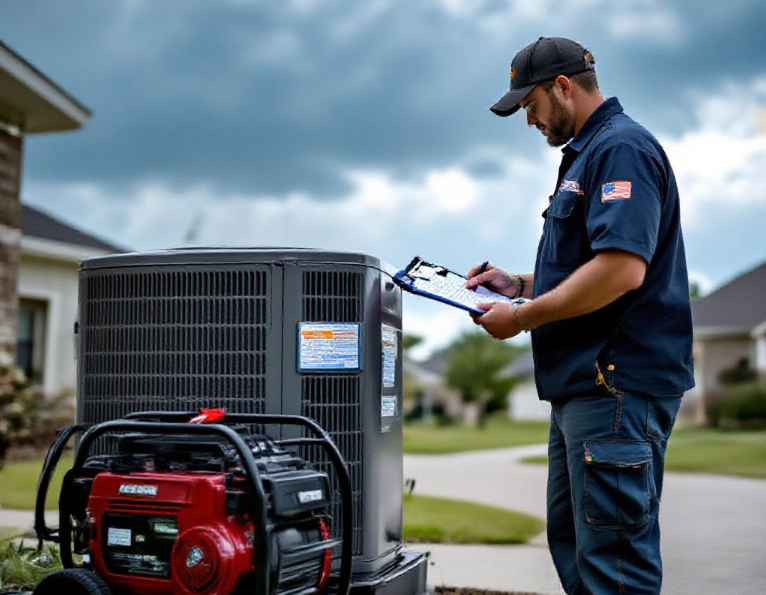
Professional HVAC companies, like Alex’s Air, use diagnostic testing to identify IAQ issues. Here’s what’s typically assessed:
Visual Inspection – Checking for mold, condensation, or dust buildup
Humidity & Temperature Monitoring – Tracking moisture levels throughout the home
Airflow Testing – Ensuring ducts and vents are properly balanced
Duct Leakage Tests – Identifying pressure imbalances or leaks
Carbon Monoxide (CO) Detection – Testing for combustion byproducts
By pinpointing the root causes, technicians can recommend targeted solutions instead of temporary fixes.
The Best Solutions for Improving Indoor Air Quality in Texas Homes
1. Source Control and Material Selection
Reducing pollutants at their source is step one:
Choose low-VOC paints and cleaning products
Seal gas appliances and fuel lines
Fix leaks and drainage issues immediately
Keep crawlspaces and attics properly ventilated
For a full home performance check, see:
👉 Importance of Optimizing Indoor Air Quality
2. Controlled Ventilation and Fresh Air Systems
Ventilation systems like Energy Recovery Ventilators (ERVs) or Heat Recovery Ventilators (HRVs) bring in filtered outdoor air while retaining temperature balance.
According to ASHRAE Standard 62.2, this approach ensures healthy airflow without energy waste.
3. High-Efficiency Filtration and Air Purification
Modern HVAC filtration can remove up to 99% of airborne particles. Consider:
MERV 13 filters or higher
In-duct air purifiers (such as Carrier Infinity Air Purifiers)
UV-C lights to disinfect coils and ducts
HEPA room purifiers for localized control
These upgrades can dramatically improve comfort and reduce illness-related absenteeism.
4. Humidity Control and Dehumidification
Because Texas homes experience long, humid seasons, dedicated dehumidifiers are essential to maintaining indoor RH between 40–55%.
Benefits include:
Mold prevention
Increased comfort without overcooling
Lower HVAC load
Explore system integration options:
👉 Is It Time to Replace Your Old AC?
5. Duct Sealing, Cleaning, and Air Balancing
Leaky or contaminated ducts are a common IAQ culprit. Solutions include:
Sealing with UL-rated mastic
Cleaning ducts professionally when visible buildup or microbial growth is present
Ensuring return/supply ducts are balanced to maintain neutral pressure
Learn how to prepare your system before peak season:
👉 Top 5 Signs Your AC Needs Repair Before the Texas Heat Hits
How Alex’s Air Protects Texas Homes
At Alex’s Air, IAQ isn’t an afterthought — it’s part of every system evaluation. Our technicians are trained in:
EPA and ASHRAE air quality standards
Carrier factory installation and service
Comprehensive IAQ assessments
Duct sealing and dehumidification integration
We help homeowners across Texas protect their investment, breathe cleaner air, and reduce long-term maintenance costs.
For a customized IAQ evaluation, visit our Contact Page or schedule service online.
Final Thoughts
Poor indoor air quality is a silent threat — invisible yet powerful enough to affect your health, comfort, and energy bills.
Fortunately, with proper ventilation, filtration, humidity control, and maintenance, you can restore balance and breathe easy year-round.
If you suspect air quality issues in your home, contact Alex’s Air for a professional inspection and solution plan designed for Texas homes and climates.