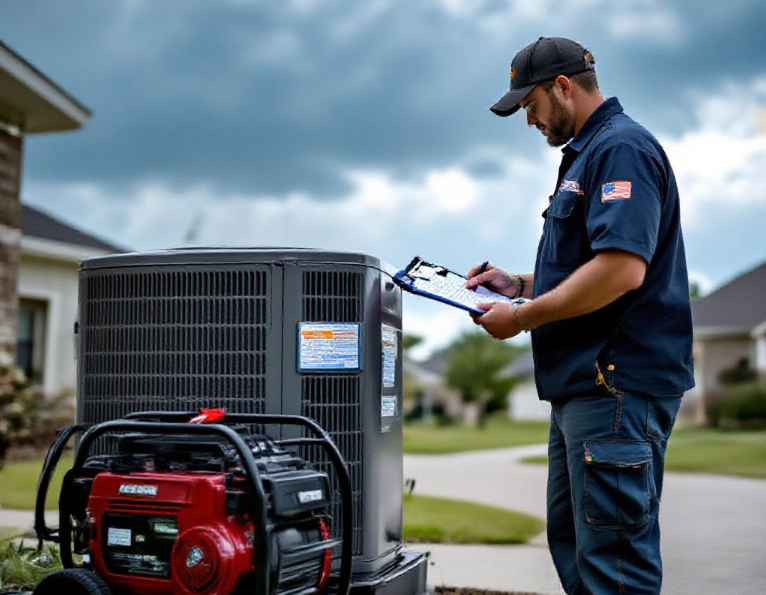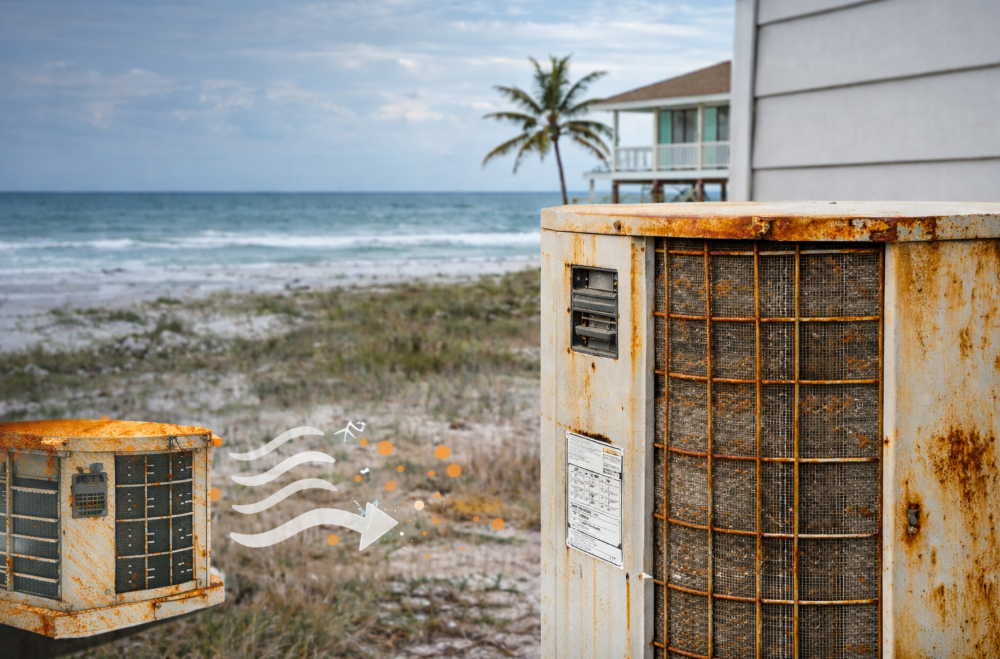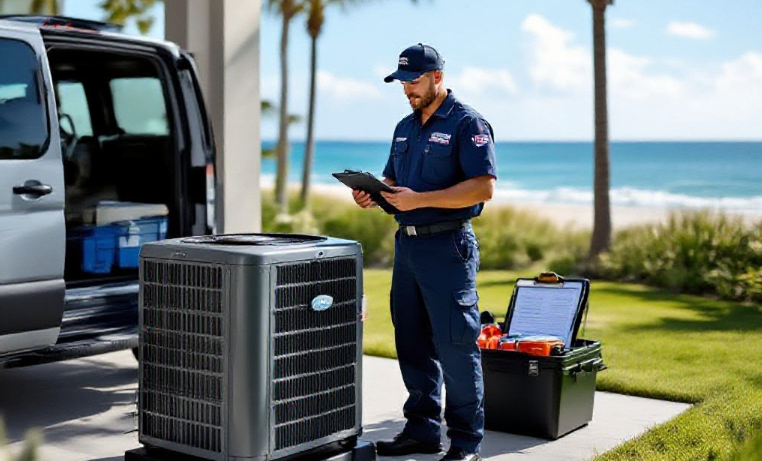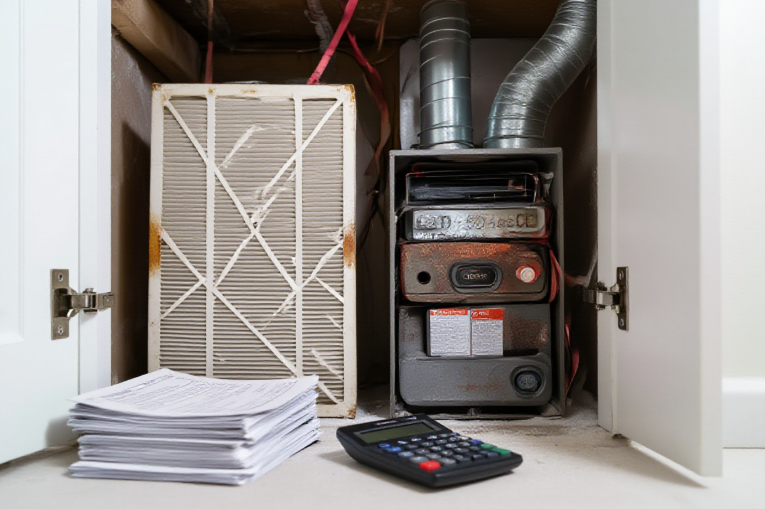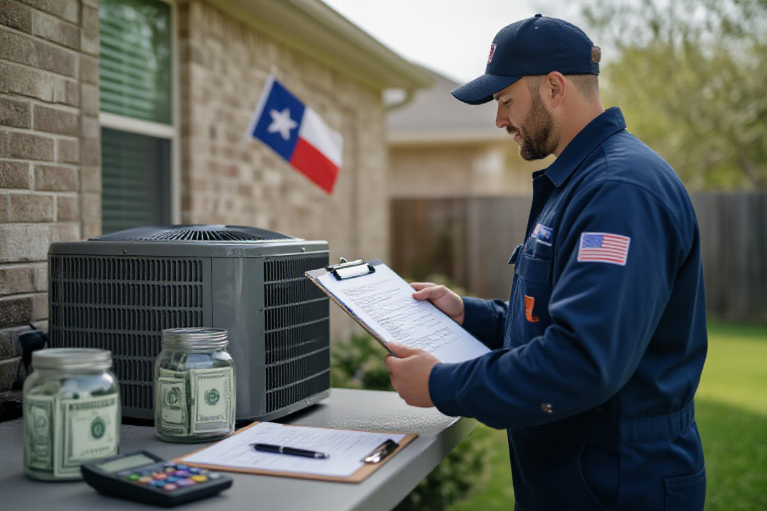
Over time, salt air in Galveston County severely impacts AC systems. Salt particles accelerate corrosion on condenser coils and electrical components. This reduces efficiency and shortens system lifespan. Visible rust and reduced cooling are common signs. Proactive maintenance, including specialized cleaning and anti-corrosion treatments, is imperative for coastal HVAC units.
Signs Your Coastal AC System Is Experiencing Salt Damage
Homeowners in Galveston County should remain vigilant for specific indicators that their AC system is succumbing to the corrosive effects of salt air. Recognizing these signs early can prevent more extensive damage and costly repairs, preserving the system’s efficiency and lifespan.
Observing the outdoor unit regularly allows for the timely detection of issues before they escalate. A system experiencing salt damage will often exhibit several distinct visual and operational symptoms that differentiate it from typical wear and tear.
Identifying Brittle or “Flaking” Condenser Fins
The delicate fins on a condenser coil are among the first components to show signs of salt-induced degradation. These thin metal structures, designed for efficient heat exchange, can become brittle and easily crumble to the touch.
Visual inspection may reveal portions of these fins breaking off or appearing corroded, resembling a flaky texture. This deterioration significantly impedes the unit’s ability to dissipate heat, directly impacting its cooling performance.
White Powdery Residue and Discoloration on Exterior Components
A distinct white, powdery substance often accumulates on the exterior casing, fan blades, and other metal parts of the outdoor unit. This residue is a clear indication of salt crystallization from the coastal air.
Discoloration, particularly a dulling or chalky appearance on surfaces that were once smooth and metallic, also signals salt exposure. This visual change often precedes more severe corrosion and structural compromise.
This powdery residue is not merely cosmetic; it actively contributes to the breakdown of protective coatings and the underlying metal. Over time, this constant exposure can lead to pitting and weakening of the unit’s structural integrity, accelerating its overall decline.
Frequent Refrigerant Leaks and System Pressure Drops
Salt corrosion can create microscopic pinholes in the refrigerant lines and coils, leading to frequent and often difficult-to-locate leaks. Homeowners might notice a decrease in cooling capacity or the system running for longer periods to achieve desired temperatures.
System pressure drops are a direct consequence of these leaks, forcing the AC unit to work harder and less efficiently. Technicians often find that repeated refrigerant recharges are necessary, pointing to underlying damage that requires more than just a simple top-off.
The constant exposure of refrigerant lines to corrosive salt particles weakens the metal over time, making them highly susceptible to leaks. These leaks not only diminish cooling performance but also pose environmental concerns and indicate a system under considerable stress from its harsh coastal environment.
Galvanic Corrosion: The Silent Killer of Multi-Metal Systems
This insidious process silently degrades AC systems, particularly in harsh coastal environments. It occurs when two different metals are in electrical contact within an electrolyte, such as salt-laden moisture. The less noble metal then sacrifices itself, corroding at an accelerated rate. The presence of salt particles in the air, combined with humidity, creates the perfect conditions for this destructive electrochemical reaction. Over time, components designed to last years can fail prematurely, leading to expensive repairs and system replacements.
Chemical Interactions Between Dissimilar Metals in Salty Air
Different metals possess varying electrochemical potentials. When copper, aluminum, and steel are present in an AC unit, and exposed to salt air, an electrical circuit forms. The salt acts as an electrolyte, facilitating electron flow. One metal will act as an anode, corroding rapidly, while the other becomes a cathode. This accelerated decay weakens the structural integrity of components and disrupts the system’s overall functionality.
Why Outdoor Condensing Units Are Most Vulnerable
The outdoor condensing unit bears the brunt of coastal weather. Its exposed coils, fins, and electrical enclosures are constantly bombarded by salt particles and moisture. These conditions create an ideal environment for galvanic corrosion to flourish. Salt spray adheres to the metal surfaces, initiating a relentless cycle of degradation. Its continuous exposure to the elements makes it particularly susceptible to damage, significantly shortening its operational life. The condensing unit’s design often incorporates multiple types of metal, such as copper tubing, aluminum fins, and steel casings, all in close proximity. This multi-metal construction, combined with the constant presence of salt-laden air, directly contributes to the heightened risk of galvanic corrosion. The intricate network of components offers numerous points where dissimilar metals can interact, accelerating the corrosive process and leading to premature system failure.
The Breakdown of Internal Electrical Connections and Terminals
Salt air also infiltrates the internal components of AC units. Electrical connections and terminals, often made of various metals, become prime targets for corrosion. This leads to increased resistance and poor electrical contact. These compromised connections can cause overheating, intermittent operation, or complete system failure. The integrity of the entire electrical system is undermined, impacting efficiency and reliability. Corrosion on internal electrical connections and terminals often begins subtly, with a thin layer of oxidation forming. As the salt exposure continues, this oxidation thickens, hindering the flow of electricity and causing components to work harder. This sustained stress can lead to premature failure of motors, capacitors, and control boards, resulting in costly repairs that could have been avoided with proactive maintenance.
How Long Do AC Units Last Near the Coast?
Homeowners often inquire about the expected lifespan of their AC systems, especially when residing in coastal regions. Salt particles carried by coastal winds significantly impact the durability of outdoor AC units, causing them to degrade faster than their inland counterparts. This accelerated wear and tear becomes a primary concern for residents in Galveston County. A typical air conditioning unit in a temperate, non-coastal environment can often operate efficiently for 12 to 15 years. However, the corrosive nature of salt air dramatically reduces this projection for systems installed along the coast. Many coastal units may only last between 7 to 10 years, representing a substantial decrease in operational longevity.
Comparing Inland Lifespans vs. Beachfront Longevity
The difference in AC unit longevity between inland and beachfront properties is stark. Inland systems, free from the constant assault of salt and humidity, typically enjoy a full decade or more of reliable service. Their components face less environmental stress, leading to fewer breakdowns and longer operational periods. Conversely, units situated directly on the beachfront or in close proximity to the Gulf experience a significantly abbreviated lifespan. The relentless corrosive action of salt on coils, electrical connections, and metal housing means these systems often fail years sooner. Homeowners should anticipate replacing these units more frequently.
Factors Influencing Survival: Distance from the Shoreline
The proximity of an AC unit to the shoreline directly correlates with its exposure to salt air and, consequently, its lifespan. Units located directly on the beach face the harshest conditions, experiencing the most concentrated salt spray. Moving even a few blocks inland can offer some degree of protection. * Units within a mile of the coast endure higher salt concentrations. * The prevailing wind direction also plays a role in salt deposition. * Natural barriers like dunes or buildings can offer minimal shielding. Perceiving the impact of distance helps homeowners understand varied maintenance needs. Properties further inland, perhaps several miles from the immediate coast, still experience some salt air effects but at a reduced intensity. The salt particles become more dispersed and less concentrated, lessening the corrosive impact on AC components. This reduced exposure often allows these units to approach the lower end of the typical inland lifespan, perhaps 10-12 years, with proper maintenance.
The “Five-Year Mark”: Why Coastal Units Age Prematurely
Many coastal AC units exhibit significant decline around the five-year mark, a point where inland systems are typically still performing optimally. This premature aging is a direct result of the continuous corrosive action of salt particles on critical components. The constant exposure degrades materials at an accelerated rate. Visible rust, reduced cooling efficiency, and an increase in repair frequency often become apparent around this time. The cumulative damage from salt air can compromise the integrity of condenser coils, leading to leaks, and corrode electrical connections, causing system malfunctions. This accelerated degradation necessitates earlier replacement for coastal homeowners. The constant battle against corrosion means that components, particularly the condenser coils and electrical wiring, begin to fail much sooner than in a less hostile environment. Salt particles adhere to the metal surfaces, creating a highly corrosive environment that eats away at the protective coatings and the metal itself. This breakdown leads to a cascade of issues, from reduced heat transfer efficiency to complete system failures, often making repairs uneconomical compared to replacement well before the typical lifespan.
How Salt Air in Galveston County Affects Your AC System
Why Coastal Maintenance Is Different Than Standard HVAC Service
Coastal HVAC systems operate in an environment dramatically different from inland units. The constant exposure to salt-laden air creates a unique set of challenges that standard maintenance protocols simply do not address adequately.
Specialized care becomes necessary to combat the accelerated corrosion and wear on components, ensuring the system can withstand the harsh conditions prevalent in Galveston County.
The Necessity of High-Frequency Inspections in Saline Zones
Regular inspections are absolutely vital for AC units located in saline environments. Salt buildup and corrosion can progress rapidly, making frequent checks imperative to catch issues before they escalate.
Technicians often recommend inspections at least twice a year for coastal systems to monitor for early signs of damage and maintain optimal performance.
Specialized Cleaning Solutions Designed for Salt Neutralization
Standard cleaning agents are often ineffective against the corrosive nature of salt deposits. Specific cleaning solutions are formulated to neutralize salt particles and gently remove them without harming sensitive AC components.
Applying these specialized cleaners helps prevent further corrosion and extends the life of condenser coils and other metal parts.
These advanced cleaning products are designed to break down the ionic bonds of salt, effectively rinsing away corrosive residues that can cling to metal surfaces. Their non-abrasive nature ensures that while salt is removed, the protective coatings and delicate fins of the coils remain intact, preserving the system’s efficiency and integrity.
Monitoring Refrigerant Lines for Micro-Pitting and Thinning
Refrigerant lines, though often overlooked, are highly susceptible to salt corrosion, which can lead to micro-pitting and thinning of the metal. These subtle changes can compromise the integrity of the lines, leading to refrigerant leaks.
Careful examination during maintenance visits allows technicians to identify early signs of this damage, preventing potential system failures and costly refrigerant recharges.
Technicians employ specialized tools and techniques, such as visual inspections with magnification and sometimes non-destructive testing, to detect these minute imperfections. Addressing micro-pitting and thinning proactively, perhaps through protective coatings or timely replacement of affected sections, safeguards the system’s ability to maintain proper refrigerant levels and efficient cooling.
The Importance of Professional Coil Cleaning in High-Salinity Zones
Regular maintenance is necessary for AC systems, but units in Galveston County demand a more specialized approach. Professional coil cleaning specifically addresses the unique challenges posed by constant exposure to salt-laden air, which ordinary cleaning methods cannot resolve.
This dedicated service extends beyond superficial cleaning, targeting the deeply embedded salt crystals and corrosive residues that accumulate on condenser coils. Such thorough cleaning helps restore the system’s efficiency and can significantly extend its operational life, protecting homeowners’ investments.
Why Standard Water Pressure Isn’t Always Enough for Salt Removal
A typical garden hose simply cannot dislodge the tenacious salt deposits that bond to coil surfaces. These crystalline formations adhere firmly and resist removal by low-pressure water streams.
Specialized high-pressure equipment, combined with appropriate cleaning agents, is required to effectively break down and flush away these corrosive layers. Without this targeted approach, salt continues to accumulate, accelerating damage.
Removing Deep-Seated Salt Crystals from Dense Fin Packs
Salt crystals become deeply embedded within the tight spaces of condenser fin packs, creating a formidable barrier to heat exchange. This accumulation significantly hinders the AC unit’s ability to dissipate heat, forcing it to work harder.
Technicians employ specific tools and techniques to penetrate these dense fin packs. They utilize specialized nozzles and professional-grade cleaning solutions designed to dissolve and dislodge the stubborn salt deposits without damaging the delicate fins.
The intricate design of fin packs, while efficient for heat transfer, also creates numerous crevices where salt can hide and crystallize. Over time, these deep-seated crystals can form a hard, insulating layer, making it extremely difficult for the system to cool effectively. Professional cleaning involves a meticulous process to ensure every crevice is addressed, restoring the coil’s full heat exchange capacity.
Preventing Biofilm and Mold Growth in Humid Coastal Conditions
The constant humidity prevalent in coastal environments creates an ideal breeding ground for biofilm and mold within AC systems. Salt residue on coils can exacerbate this problem, trapping moisture and organic matter.
Professional cleaning services include treatments that inhibit the growth of these harmful microorganisms. This proactive measure not only improves indoor air quality but also prevents blockages and odors that can develop from microbial contamination.
Biofilm and mold can restrict airflow, reduce system efficiency, and even release spores into the home, impacting occupant health. By integrating antimicrobial solutions during coil cleaning, technicians can create a less hospitable environment for these growths, ensuring the AC system operates cleanly and efficiently.
How Salt Air in Galveston County Affects Your AC System
Choosing the Right Replacement Unit for a Beachfront Property
Selecting an appropriate AC replacement for a beachfront home demands careful consideration beyond standard efficiency metrics. The unique challenges of Galveston County’s salty environment necessitate specialized equipment designed to withstand accelerated corrosion and maintain peak performance.
Homeowners should prioritize systems engineered with enhanced durability features to ensure longevity and consistent comfort. Investing in the right unit can significantly extend its lifespan and reduce the frequency of costly repairs.
Identifying “Coastal Grade” and Marine-Rated Equipment
Specific AC units are manufactured with features tailored to endure harsh coastal conditions. These “coastal grade” or “marine-rated” systems often incorporate specialized coatings and materials that resist the corrosive effects of salt air.
Look for certifications or manufacturer specifications that explicitly state a unit’s suitability for coastal environments. Such designations indicate a higher level of protection against the elements, offering peace of mind for homeowners.
The Advantage of All-Aluminum Coils Over Copper-Aluminum Hybrids
The material composition of condenser coils plays a significant role in a unit’s resilience against salt corrosion. All-aluminum coils offer a superior defense compared to traditional copper-aluminum hybrid coils.
Aluminum coils exhibit a natural resistance to galvanic corrosion, a process accelerated when dissimilar metals like copper and aluminum are exposed to salt. This inherent advantage helps prevent premature coil deterioration and refrigerant leaks.
Galvanic corrosion occurs when two different metals are in electrical contact and immersed in an electrolyte, such as saltwater. The more active metal corrodes preferentially, protecting the less active metal. In AC coils, if copper and aluminum are used together, the aluminum can corrode more rapidly in the presence of salt, leading to system failures. All-aluminum coils eliminate this electrochemical reaction, providing a more uniform and resistant surface to the corrosive salt particles.
Evaluating SEER2 Ratings for Maximum Efficiency in the Texas Heat
Understanding SEER2 ratings is vital for maximizing energy efficiency and reducing operational costs in Galveston County’s hot climate. The Seasonal Energy Efficiency Ratio 2 (SEER2) offers a revised and more accurate measurement of an AC unit’s cooling performance.
Higher SEER2 ratings indicate greater energy efficiency, translating into lower electricity bills over the system’s lifespan. Homeowners should aim for the highest practical SEER2 rating to ensure optimal performance and long-term savings.
The SEER2 rating provides a comprehensive measure of an air conditioner’s efficiency, taking into account a wider range of operating conditions than its predecessor, SEER. This updated standard, implemented in 2023, offers a more realistic representation of a unit’s energy consumption in various climates, including the intense heat and humidity experienced along the Texas Gulf Coast. A higher SEER2 number means the unit uses less energy to cool a space, making it a critical factor for homeowners looking to minimize their environmental impact and utility expenses.
How Salt Air in Galveston County Affects Your AC System
When It’s Time to Replace Instead of Repair
There comes a point when the cumulative damage from salt air makes continued repairs economically unsound. Homeowners frequently encounter a diminishing return on investment as components fail repeatedly.
A system reaching the end of its shortened coastal lifespan often exhibits widespread deterioration, signaling that a full replacement will offer better long-term value and efficiency.
Assessing the Cost-Benefit Ratio of Repeated Leak Repairs
Frequent refrigerant leaks, a common consequence of corroded condenser coils, quickly escalate repair costs. Each repair addresses only the immediate symptom, not the underlying, widespread deterioration.
Considering the typical 7-10 year lifespan for coastal units, multiple leak repairs within a short period often exceed the cost of a new, more efficient system designed for harsh environments.
Structural Integrity vs. Mechanical Functionality of the Condenser
Salt air relentlessly attacks the condenser’s metal housing and fins, compromising its structural integrity. This external damage, while visible, can mask deeper issues within the coil.
While a condenser might still mechanically function, its ability to efficiently dissipate heat significantly diminishes as corrosion reduces surface area and airflow, leading to higher energy consumption.
The condenser’s structural integrity directly impacts its ability to protect the delicate internal coil from further environmental exposure and physical damage. Even if the fan motor and compressor operate, severe corrosion on the fins prevents proper heat exchange, forcing the system to work harder and consume more electricity to achieve desired cooling.
When Corrosion Reaches Critical Internal Compressor Components
Salt particles can penetrate deeper into the system, eventually affecting the compressor. Once the compressor’s internal components begin to corrode, its operational lifespan drastically shortens.
A failing compressor often presents as reduced cooling capacity or complete system shutdown, representing the most expensive single component to replace and a clear indicator for full system replacement.
The compressor, often considered the heart of the AC system, relies on precise internal tolerances and clean surfaces to function efficiently. When corrosion compromises these critical components, it can lead to increased friction, overheating, and eventual mechanical failure, making a repair impractical and a replacement unavoidable for restoring proper cooling.
Warranties and Insurance Considerations for Coastal HVAC Units
Protecting your AC system in a coastal environment extends beyond regular maintenance; it also involves understanding the contractual safeguards in place. Homeowners must examine their product warranties and insurance policies closely, as standard coverages may not fully account for the unique challenges presented by salt air. A clear understanding of these documents can prevent unexpected financial burdens. Manufacturers often design warranties with specific environmental conditions in mind, and coastal living presents a distinct set of circumstances. Property owners should investigate how their existing agreements address premature wear and tear caused by corrosive elements. Awareness of these details allows for informed decision-making regarding supplemental protection.
Understanding Environmental Exclusions in Standard Warranties
Standard AC warranties commonly contain clauses that limit coverage for damage caused by environmental factors. These exclusions often target conditions like extreme weather, natural disasters, and corrosive atmospheres, which includes salt air. Homeowners in Galveston County may find their systems are not fully covered for salt-induced corrosion. A careful review of the warranty document, particularly sections detailing limitations and exclusions, is highly recommended. Understanding these specific caveats helps homeowners anticipate potential out-of-pocket expenses for repairs related to salt damage. Seeking clarification from the manufacturer or installer can provide valuable insight.
Manufacturer Requirements for Maintenance Documentation
Maintaining warranty validity often hinges on adherence to manufacturer-prescribed maintenance schedules and procedures. Owners of coastal HVAC units must meticulously document all service appointments, including specialized cleanings and anti-corrosion treatments. Failure to provide proof of regular, qualified maintenance can void a warranty. This documentation serves as evidence that the homeowner has taken reasonable steps to protect the unit from environmental stressors. Keeping detailed records, such as invoices and service reports, is crucial for any future warranty claims. These records demonstrate a commitment to proper system care. Homeowners should retain all service records, clearly detailing the dates of maintenance, the specific services performed (e.g., coil cleaning, anti-corrosion applications), and the name of the certified technician or company. This diligent record-keeping is a non-negotiable aspect of upholding warranty agreements, especially given the increased maintenance demands of coastal AC units.
Navigating Homeowners Insurance Claims for Salt-Related Failure
Filing an insurance claim for AC damage due to salt corrosion can be a complex process. Standard homeowners insurance policies typically cover sudden and accidental damage, but gradual deterioration from environmental exposure may fall into a gray area. Policyholders should consult their insurance agent to understand specific coverage limitations. Property owners must gather extensive evidence if they pursue a claim for salt-related AC failure. This includes photographic documentation of the damage, maintenance records, and professional assessments detailing the cause of the failure. Presenting a comprehensive case strengthens the likelihood of a successful claim. When preparing an insurance claim for salt-related AC failure, homeowners should obtain a detailed report from a qualified HVAC technician explicitly stating that the damage is a direct result of salt corrosion. This expert opinion, combined with a history of diligent maintenance and photographic evidence, provides compelling support for the claim, helping to differentiate gradual wear from covered perils.
To wrap up
Drawing together the information, coastal salt air presents a unique challenge to AC systems in Galveston County. Salt particles inflict corrosive damage on condenser coils and electrical components, shortening system lifespan and diminishing efficiency. Homeowners can observe visible rust and reduced cooling performance as indicators of this ongoing issue. Proactive maintenance offers the most effective defense against salt-induced damage. Regular coil cleaning, anti-corrosion treatments, and twice-yearly inspections are necessary to preserve AC functionality. These specialized care practices protect a significant investment and ensure consistent indoor comfort throughout the year.
FAQ
Q: How does salt air specifically damage AC units in Galveston County?
A: Salt particles from the Gulf of Mexico become airborne, carried by coastal winds. These microscopic particles settle on the outdoor condenser unit of your AC system. The salt acts as an electrolyte, accelerating the oxidation process on metal components. This causes premature corrosion on condenser coils, fan blades, electrical connections, and the unit’s metal casing. The damage begins as pitting and surface rust, progressing to structural weakening and functional impairment of critical parts.
Q: What are the common signs of salt-related damage to an AC system?
A: Homeowners in Galveston County can look for several indicators. Visible rust on the condenser unit’s exterior, especially on the fins and casing, is a primary sign. You might also notice a decrease in cooling efficiency, meaning your home takes longer to cool or doesn’t reach the desired temperature. Higher-than-usual electricity bills can also suggest reduced efficiency due to corroded coils. Unusual noises from the outdoor unit, such as grinding or squealing, could indicate issues with corroded fan motors or bearings. Frequent breakdowns requiring repair are another strong signal of ongoing salt damage.
Q: How much shorter is the lifespan of an AC unit in a coastal environment compared to an inland one?
A: AC systems in typical inland environments often last 12 to 15 years with proper maintenance. In coastal areas like Galveston County, where salt exposure is constant, the lifespan can be significantly reduced. Many units in these conditions may only last 7 to 10 years, even with regular servicing. The accelerated corrosion caused by salt air necessitates more frequent replacements, representing a considerable investment for homeowners in the region.
Q: What specialized maintenance does a coastal AC unit require to combat salt damage?
A: Coastal AC units benefit from specific maintenance practices beyond standard care. Regular coil cleaning is necessary to remove salt buildup and prevent corrosion. Technicians often use specialized coil cleaners designed to neutralize salt and prevent further damage. Applying anti-corrosion coatings or sprays to metal components, particularly the condenser coils and electrical connections, offers an added layer of protection. Scheduling professional inspections at least twice a year, ideally before summer and winter, allows technicians to identify and address early signs of salt damage before they escalate into major problems. They can also check for loose electrical connections that may be corroding.
Q: Are there specific AC unit features or types recommended for homes in Galveston County to better withstand salt air?
A: Homeowners in Galveston County can consider AC units designed with enhanced corrosion resistance. Look for models that feature coated coils, often referred to as “coastal” or “salt-resistant” coils, which have a protective layer like epoxy or acrylic. Some manufacturers offer units with cabinet materials made from marine-grade aluminum or other corrosion-resistant alloys. Units with fully encapsulated or sealed electrical components also offer better protection against salt intrusion. Discussing these options with an experienced HVAC professional familiar with coastal conditions can help you select a system better equipped to handle the unique challenges of Galveston County’s environment.