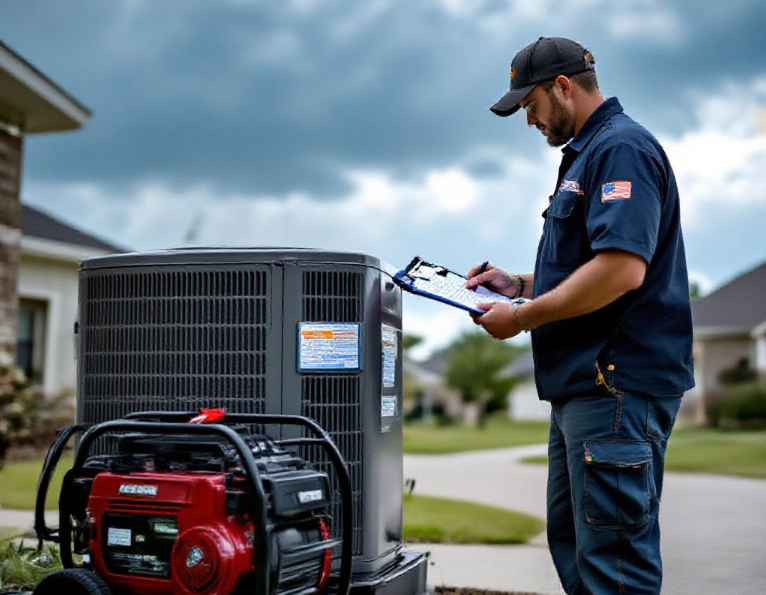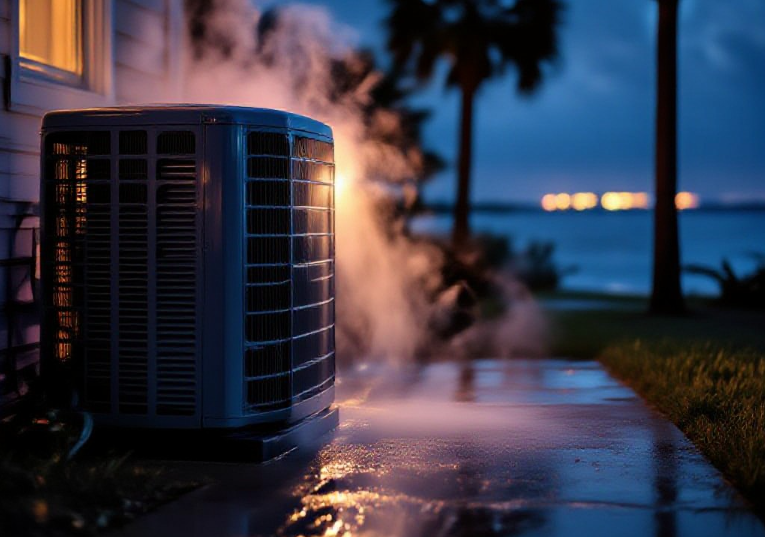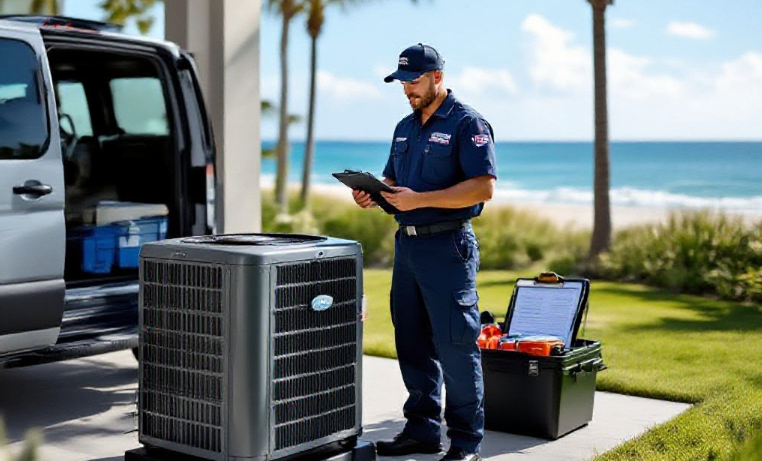
Most beach rental and vacation home HVAC systems experience increased strain. High-traffic properties in coastal areas demand constant cooling, often leading to frequent thermostat adjustments and open doors. This continuous operation, combined with salt air exposure, accelerates wear and corrosion. Preventative maintenance is key to avoiding costly breakdowns, guest dissatisfaction, and lost revenue.
Why Vacation Home HVAC Systems Work Harder
Vacation home HVAC systems face unique challenges that amplify wear and tear compared to residential units. These systems often operate almost nonstop, particularly during peak summer months in high-traffic areas like Galveston Island and Crystal Beach.
This constant demand, combined with specific environmental factors, places considerable stress on components, making them more susceptible to efficiency loss and costly breakdowns.
High Occupancy and Constant Thermostat Adjustments
Short-term rental properties experience a significantly higher occupancy turnover than owner-occupied homes. Each new set of guests often brings different comfort preferences, leading to frequent thermostat adjustments.
Guests also tend to leave doors open more often, allowing conditioned air to escape and outside humidity to enter. This behavior forces the HVAC system to work harder to maintain desired indoor temperatures and humidity levels.
The Corrosive Impact of Salt Air and Coastal Humidity
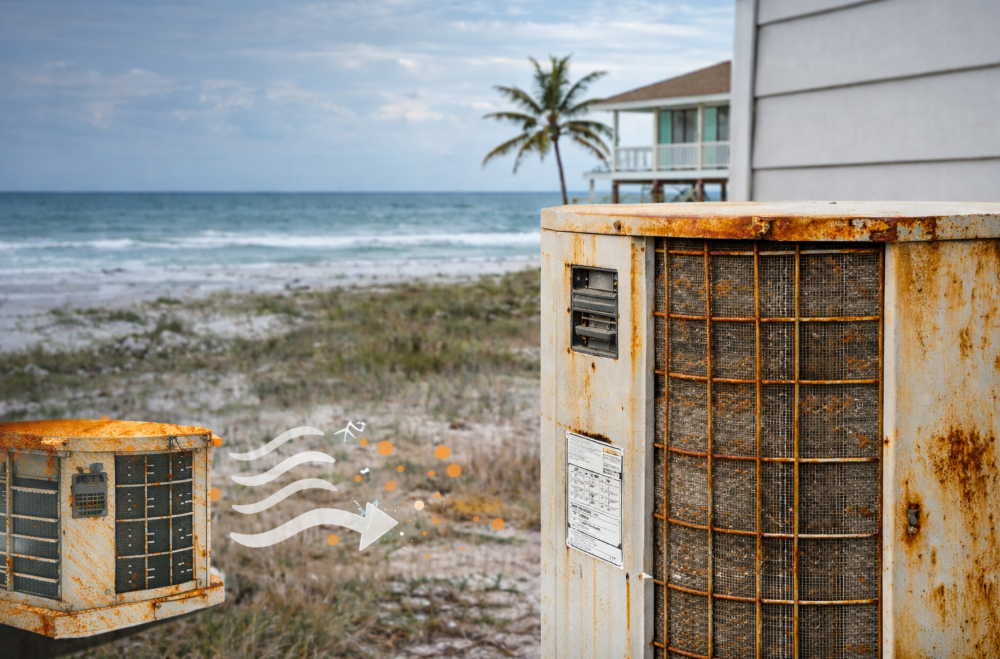
Coastal environments, such as those found in Galveston County, expose HVAC units to harsh elements. Salt air and high humidity levels are particularly detrimental to external components of air conditioning systems.
Salt particles carried by the air settle on coils and other metal parts, initiating a process of corrosion that degrades system integrity. This constant exposure accelerates the breakdown of materials and significantly reduces the lifespan of the equipment.
The persistent moisture in the air exacerbates the corrosive effects of salt, creating an environment where rust and material degradation occur at an accelerated rate. This combination of salt and humidity compromises the efficiency and structural soundness of the HVAC unit, leading to increased repair frequency and potential premature system replacement.
The Real Cost of an AC Breakdown During Peak Season
An unexpected HVAC failure during a fully booked period presents a multi-faceted financial challenge for property owners. The immediate expense of emergency repairs often includes premium rates for weekend or after-hours service, adding significantly to the initial burden. These situations rarely occur at convenient times. Beyond direct repair costs, the ripple effect of a malfunctioning AC system extends into various areas of revenue loss. Property owners find themselves facing not only the repair bill but also potential guest compensation.
Financial Loss from Emergency Repairs and Guest Refunds
Emergency repairs during peak season almost always incur higher service fees. Technicians may charge expedited rates for immediate response, particularly during off-hours or holidays. These costs quickly escalate when an entire property is without cooling. Property owners frequently face demands for partial or full refunds from inconvenienced guests. Providing alternative accommodations or offering monetary compensation becomes necessary to mitigate dissatisfaction, directly impacting the rental’s profitability for that period.
Long-Term Damage to Rental Reputation and Reviews
Negative guest experiences due to HVAC breakdowns can severely impact a rental property’s online reputation. Dissatisfied guests often share their frustrations through unfavorable reviews on booking platforms. These public comments can deter future bookings. A single negative review has the power to overshadow numerous positive ones, potentially leading to a sustained decrease in occupancy rates. Maintaining a stellar reputation is critical for long-term rental success. Negative reviews citing a lack of air conditioning or uncomfortable stays during peak season can significantly diminish a property’s appeal to prospective renters. These public statements act as a warning to future guests, causing them to choose alternative properties with more reliable amenities. The long-term effect is a reduction in booking inquiries and a potential need to lower rental rates to attract guests, directly impacting the property’s overall revenue potential for seasons to come.
Signs Your Rental Property AC May Be Failing
Property owners should remain vigilant for specific indicators that suggest an AC unit may be nearing failure. Recognizing these signs early allows for proactive intervention, potentially preventing a complete system breakdown during a peak rental period. Addressing minor issues before they escalate can save significant repair costs and protect guest satisfaction. Ignoring these warning signs often leads to more extensive and expensive repairs, particularly in the demanding coastal environment of Galveston County. A failing system impacts guest comfort directly, which can result in negative reviews and lost income for the rental property. Regular observation of the unit’s performance is a key aspect of responsible property management.
Inconsistent Cooling and Unusual System Noises
Guests may report that certain areas of the rental property feel warmer than others, despite the thermostat being set appropriately. This inconsistent cooling often points to issues with refrigerant levels, ductwork, or even a struggling compressor. A system that cycles on and off too frequently also suggests inefficiency. Strange sounds emanating from the AC unit, such as grinding, hissing, or banging, are clear indicators of internal problems. These noises can signify worn-out bearings, loose components, or even a refrigerant leak, all of which require immediate professional attention to avoid further damage.
Spikes in Monthly Energy Bills Without Increased Usage
A sudden and unexplained increase in electricity consumption, even when the property’s usage patterns remain unchanged, signals a problem with the HVAC system’s efficiency. An AC unit that works harder to achieve the desired temperature consumes more power, directly impacting the monthly utility bill. This inefficiency suggests components are struggling. Owners should compare current energy bills with previous months and similar periods to identify these deviations. A consistent upward trend in energy costs without a corresponding increase in guest occupancy or thermostat adjustments warrants investigation. This often indicates the system is losing its ability to cool effectively, forcing it to run longer cycles.
Owners should analyze historical energy data to pinpoint abnormal spikes. These increases frequently stem from issues like dirty coils, refrigerant leaks, or a failing compressor, all of which force the unit to expend more energy to maintain the set temperature. Addressing these inefficiencies promptly can restore proper operation and reduce operating costs.
Preventative HVAC Tips for Galveston Rental Owners Protecting your investment in a Galveston rental property requires a proactive approach to HVAC care. The constant operation of air conditioning, combined with the harsh coastal environment, places immense stress on these systems. Owners can significantly reduce the likelihood of costly breakdowns by implementing a few strategic maintenance practices. A detailed maintenance plan can save owners from emergency repair bills and negative guest experiences.
- Schedule pre-season inspections between February and April.
- Consider anti-corrosion treatments for outdoor units.
- Partner with a local HVAC company familiar with Galveston’s climate.
Knowing these steps can protect rental income and reputation.
Scheduling Filter Replacements
Establishing a Strict Schedule for Filter Replacements Air filters are the first line of defense for any HVAC system. In high-traffic rental properties, filters accumulate dust, allergens, and debris at an accelerated rate, especially when guests frequently enter and exit. Clogged filters restrict airflow, forcing the system to work harder and consume more energy. Owners should aim to replace filters every 30-45 days, particularly during peak rental seasons. This frequent replacement schedule maintains optimal airflow, improves indoor air quality for guests, and extends the lifespan of the HVAC unit by reducing strain on its components.
Clearing Debris and Salt Accumulation from Outdoor Units Outdoor units in coastal areas like Galveston face unique challenges. Salt spray from the Gulf of Mexico can corrode metal components, while blowing sand and plant debris can clog coils and impede heat exchange. These factors contribute significantly to reduced efficiency and premature system failure. Regularly inspecting and cleaning outdoor units is paramount. Owners or their maintenance teams should gently rinse the coils with fresh water to remove salt residue and clear away any visible debris, such as leaves, twigs, or sand, that may have accumulated around the unit.
Maintaining a clear perimeter around the outdoor unit also helps. Ensure no shrubs or other vegetation are obstructing airflow, as proper ventilation is crucial for the unit’s efficient operation. Over time, salt accumulation can lead to pitting and rust on the condenser coils, severely impacting the system’s ability to dissipate heat. A professional cleaning can often address more stubborn buildup and protect the unit from long-term damage.
Implementing Smart Technology for System Protection
Smart technology offers property owners an advanced defense against HVAC breakdowns. These systems provide remote oversight and control, helping to mitigate common issues associated with short-term rental usage. This proactive approach minimizes the risk of costly repairs and protects the rental property’s reputation.
Utilizing Wi-Fi Thermostats to Monitor Usage Remotely
Wi-Fi thermostats provide owners with real-time insights into system operation. Property managers can monitor temperature settings and identify unusual usage patterns from any location. This remote capability allows for swift intervention if guests leave doors open or set extreme temperatures.
Setting Temperature Limits to Prevent Compressor Strain
Configuring temperature limits on smart thermostats prevents guests from setting excessively low temperatures. Extreme settings force the compressor to work harder, increasing wear and tear. Maintaining a reasonable temperature range helps preserve the system’s longevity and efficiency.
| Feature | Benefit |
|---|---|
| Temperature Range Control | Prevents guests from setting temperatures that overwork the AC unit, reducing compressor strain. |
| Energy Savings | Limits extreme temperature settings, leading to lower energy consumption and reduced utility bills. |
| Extended HVAC Lifespan | Reduces stress on the system’s components, contributing to a longer operational life for the unit. |
| Guest Comfort | Ensures a consistent, comfortable indoor climate without allowing settings that could freeze coils or cause system failure. |
Setting temperature limits directly addresses the problem of guests unknowingly overworking the HVAC system. Many smart thermostats allow owners to define a minimum cooling temperature, such as no lower than 70°F, preventing the compressor from running continuously to achieve an unfeasible indoor climate. This simple adjustment significantly reduces stress on the unit, particularly in the high-humidity and intense heat of Galveston County summers, thereby extending the life of the equipment and preventing premature failure.
Why Local Experience Matters for Galveston Rentals
Selecting a local HVAC partner provides a distinct advantage for Galveston rental property owners. Their understanding of the unique demands placed on coastal AC units goes beyond general HVAC knowledge. A local company possesses intimate familiarity with the specific challenges presented by the Gulf Coast environment, ensuring more effective preventative strategies and quicker, more accurate diagnostics when issues arise.
Specialized Knowledge of Gulf Coast Climate Challenges
Galveston’s coastal environment presents unique challenges for HVAC systems. The constant exposure to salt air rapidly accelerates corrosion, impacting coils, electrical components, and overall system longevity. High humidity levels also contribute to mold growth within ductwork and evaporator coils, reducing air quality and system efficiency, problems a local expert is well-versed in addressing.
Rapid Response Times for Time-Sensitive Rental Issues
An HVAC breakdown in a vacation rental demands immediate attention. Local companies can dispatch technicians much faster than larger, regional providers. Minimizing downtime is critical for guest satisfaction and preventing lost rental income, making proximity a key factor in effective property management. Guests expect a comfortable environment throughout their stay. A prompt response to an HVAC issue can prevent negative reviews, refunds, and the potential for a damaged rental reputation. Local technicians, being geographically close, are better equipped to arrive quickly, diagnose problems efficiently, and implement solutions, often carrying common parts for immediate repairs. This level of responsiveness safeguards both guest experience and property owner revenue.
To wrap up
So, a strategic approach to HVAC maintenance is important for beach rental and vacation home owners. Proactive care ensures guest comfort and protects rental income. Owners should prioritize regular inspections and filter changes, especially given the continuous use and coastal environment.
Preventative measures, such as smart thermostats and anti-corrosion treatments, significantly reduce the likelihood of costly breakdowns. Partnering with a local HVAC expert provides peace of mind, knowing the system receives specialized attention tailored to Galveston County’s unique climate. Contact us at Alex’s Air Conditioning if your beach house or vacation rental is in need of an HVAC checkup.
FAQ
Q: What unique challenges do coastal environments pose for HVAC systems in beach rentals?
A: Coastal environments present several specific challenges for HVAC systems. Salt air causes accelerated corrosion on outdoor units, impacting coils, fins, and electrical components. High humidity levels force systems to work harder to remove moisture from the air, increasing energy consumption and wear on compressors. Sand and debris can also accumulate in outdoor units, restricting airflow and reducing efficiency. These factors combine to shorten the lifespan of components and increase the likelihood of breakdowns if not properly managed.
Q: How often should HVAC filters be changed in a busy beach rental property?
A: HVAC filters in busy beach rental properties require more frequent changes than in a typical residential home. Guests often track in sand and dust, and the system runs almost continuously during peak season. We recommend checking and changing filters monthly, or at minimum every 4-6 weeks, especially during periods of high occupancy. Dirty filters restrict airflow, reduce system efficiency, and can lead to frozen coils or premature equipment failure. Consider using high-quality MERV-rated filters to capture more particulates while ensuring proper airflow.
Q: What preventative maintenance steps are most effective for preventing costly HVAC breakdowns?
A: Several preventative maintenance steps significantly reduce the risk of costly breakdowns. Schedule professional pre-season inspections annually, ideally between February and April, to catch potential issues before the summer rush. These inspections include cleaning coils, checking refrigerant levels, inspecting electrical connections, and lubricating moving parts. Regularly rinse the outdoor condenser unit with fresh water to remove salt and debris buildup. Consider applying anti-corrosion coatings to exposed metal components. Installing smart thermostats that allow for remote monitoring and temperature limits also helps prevent guests from overtaxing the system.
Q: Can smart thermostats help extend the life of an HVAC system in a rental property?
A: Smart thermostats can definitely help extend the life of an HVAC system in a rental property. They allow property owners or managers to remotely monitor and adjust temperatures, preventing extreme settings by guests. You can set temperature limits, ensuring guests do not set the AC to excessively low temperatures that strain the system. Some smart thermostats also offer occupancy sensing, turning off or adjusting the system when the property is vacant. These features reduce unnecessary runtime and stress on the equipment, leading to less wear and tear over time.
Q: What should I do if my HVAC system breaks down during a guest’s stay?
A: If your HVAC system breaks down during a guest’s stay, immediate action is necessary to minimize disruption and protect your rental reputation. First, communicate promptly and transparently with your guests, apologizing for the inconvenience and outlining the steps you are taking. Contact a reliable local HVAC service provider that offers emergency repairs for rental properties. Provide them with detailed information about the issue and property access. If repairs will take time, consider offering guests temporary cooling solutions, a partial refund, or relocation to another property if available. A rapid response and clear communication are key to mitigating negative guest experiences.