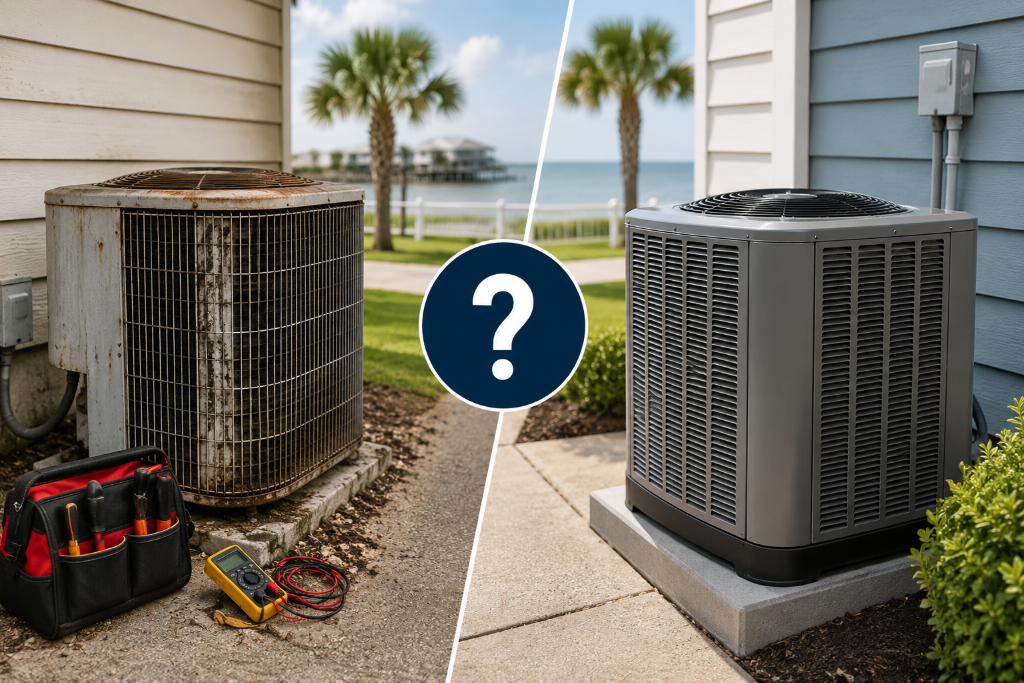
With many HVAC systems designed to last 12-15 years, your system in coastal Texas may age faster due to high humidity, salt air, and longer cooling seasons. If you skip maintenance, dirty filters, clogged drain lines, and corroded parts force your system to work harder and shorten its lifespan. You should watch for rising energy bills, uneven cooling, frequent breakdowns, and strange noises, since repeated repairs can make replacement more cost-effective. Annual inspections, coil cleaning, and airflow checks help extend your system’s life.
Average Lifespan of HVAC Systems
Standard Lifespan Estimates
Most residential HVAC systems are engineered for 12-15 years under normal conditions; with regular professional maintenance you can often push that toward 15-18 years. In coastal areas like La Marque, expect the baseline to shift – systems there commonly wear faster, so a well-kept unit typically lasts about 10-15 years while neglected equipment often falls to 8-12 years.
If you track service history, units with annual tune-ups, documented coil cleanings, and timely refrigerant checks usually retain 90%+ of their original efficiency for longer, reducing the frequency of major repairs and delaying replacement.
Factors Influencing Lifespan
Salt-laden air, high humidity, and extended cooling seasons in coastal Texas accelerate corrosion of coils, motors, and electrical contacts; that increased exposure, combined with constant run-times, is why you’ll see more compressor and coil failures in La Marque than inland. Installation quality and sizing also matter – an oversized unit will short-cycle and stress the compressor, while an undersized one will run continuously and overwork components.
Maintenance habits directly change outcomes: dirty filters and clogged drain lines force higher fan and compressor loads, raising operating temperatures and wear rates. Examples from local service records show coil corrosion appearing within 5-7 years on unprotected outdoor coils, whereas similar units with scheduled coil cleaning and protective coatings often reach or exceed the 12-15 year window.
- Annual professional inspections that include refrigerant level checks and electrical tightening reduce unexpected failures.
- Filter changes every 1-3 months and keeping condensate drains clear cut down on motor and moisture-related failures.
- This combination of environmental awareness and routine care is the single most effective way you can extend system life in coastal conditions.
When you evaluate lifespan for your own system, weigh operating hours (how often it runs during long cooling seasons), salt exposure (proximity to the coast), and past repair frequency – numerous calls for the same component usually mean diminishing returns and a replacement will be more economical within a year or two. Using corrosion-resistant materials, installing a quality outdoor unit pad to reduce debris contact, and scheduling coil-cleaning every 6-12 months are practical steps that studies and field reports show can add several years to coastal HVAC systems.
- Documenting each service visit and parts replaced creates a clear maintenance history that installers use to estimate remaining life.
- Upgrading to a condenser with a factory-applied corrosion-resistant coating or choosing a model rated for coastal applications reduces failure rates.
- This record-plus-upgrade approach gives you the best chance of keeping your system operating efficiently through the full expected service life.
Why Coastal Texas Shortens HVAC Lifespan
Higher ambient temperatures and an extended cooling season in coastal Texas force your system to run far more hours than a similar unit inland; whereas many systems are engineered for 12-15 years under average conditions, you can expect effective life to drop into the 8-12 year range if environmental stresses go unmanaged. Increased runtime accelerates wear on compressors, blower motors, and bearings, and raises annual runtime hours by thousands-many coastal homes see HVAC runtimes increase by 20-40% compared with interiors of the state.
Storms and frequent power fluctuations compound that stress. Salt-laden air and persistent humidity attack heat exchangers and electrical connections, and when maintenance lapses-dirty filters, clogged drain lines, corroded coils-efficiency falls and repair frequency rises, often pushing owners toward replacement sooner than anticipated.
Environmental Challenges
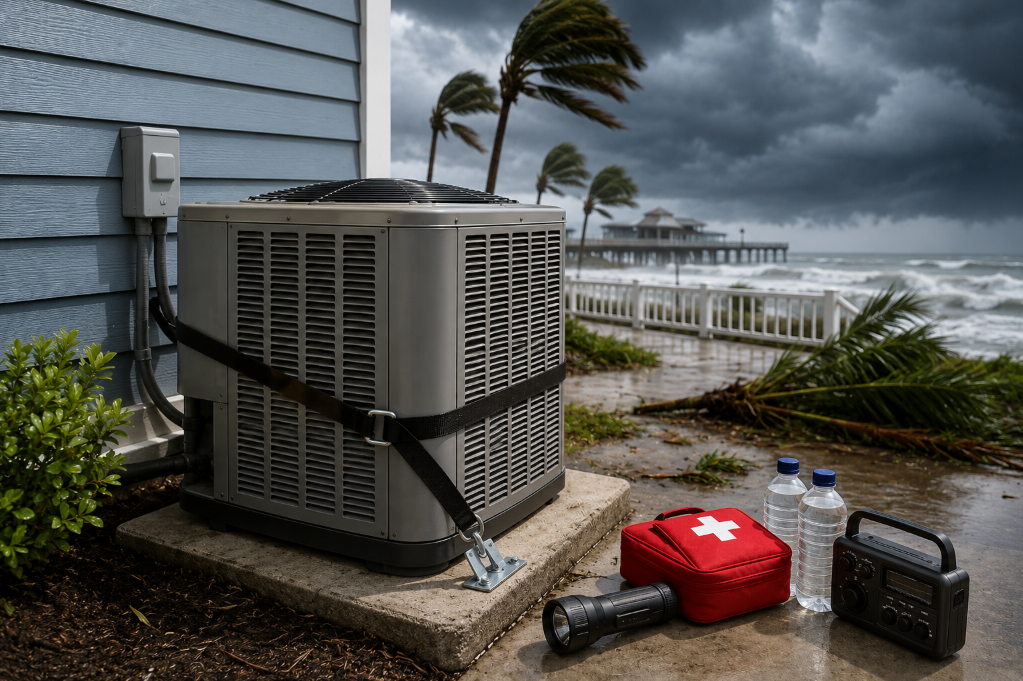
Sea spray and airborne salt accelerate corrosion on outdoor coils, condenser fins, and electrical contacts, so your outdoor unit is effectively operating in a low-grade corrosive environment year-round. Hurricane-season storm surges and windblown debris add mechanical damage risk, while sand and pollen clog coils faster than in drier inland areas, increasing head pressure and reducing heat transfer efficiency.
Power quality issues are another local concern. You may experience more frequent control-board failures and start-capacitor shorts after storms or lightning activity; having surge protection and routinely inspecting contactors and wiring reduces the chance that a single event will force a premature compressor replacement.
Humidity and Salt Exposure
High relative humidity-often exceeding 70% during summer months-means your system removes far more moisture, which increases condensate volume and keeps coils wet longer, inviting corrosion and biological growth. Salt crystals deposited on aluminum fins and copper tubing promote pitting and micro-leaks that can reduce refrigerant charge and lower efficiency; many coastal homeowners report visible coil corrosion within a few years without proactive protection.
To combat this you should adopt a tighter maintenance cadence than you might inland: change filters every 30-90 days depending on use, flush and chemically clean coils every 6-12 months, and have outdoor units rinsed of salt at least twice a year. Applying factory-approved protective coatings to coils and using stainless or galvanized fasteners in replacement work can extend component life significantly.
On a technical level, salt accelerates galvanic corrosion where dissimilar metals meet-electrical terminals, brazed joints, and mounting hardware are common failure points-so specifying weatherized units with sealed control boxes, epoxy- or hydrophobic-coated coils, and dielectric grease on connections will reduce failure rates. You should also prioritize local HVAC contractors experienced with Gulf Coast conditions; they can recommend units with corrosion-resistant features and set a maintenance schedule (often biannual service) that helps keep your system close to its expected lifespan.
Signs Your HVAC System Is Nearing the End
If your monthly cooling bills climb year over year while thermostat settings stay the same, that’s a red flag-especially for units approaching the typical 12-15 year lifespan. You’ll also notice uneven temperatures between rooms, longer run times during La Marque’s extended cooling season, and an uptick in service calls; when repairs start adding up to more than about 50% of a replacement quote, replacement often makes more financial sense. Corroded coils, weakened motors, and frequent capacitor or control-board failures from salt air and humidity accelerate that decline.
Frequent small failures are another indicator: thermostats that lose calibration, compressors that short-cycle, and condensate lines that clog repeatedly signal aging components. Annual inspections, coil cleaning, and airflow checks can delay failure, but when you see two or more of these symptoms together-rising bills, uneven cooling, and repeated breakdowns-plan for replacement within a 1-2 year window rather than investing in patchwork repairs.
Decreased Efficiency
You may see efficiency losses as higher kWh use during the same seasonal hours; a poorly maintained coastal unit can use 10-30% more electricity than a well-serviced one. Older equipment with a 10 SEER rating compared with a modern 16 SEER unit can consume roughly 37% more energy for the same cooling load, so age plus corrosion or fouled coils really hurts operating costs. Extended runtimes are common in La Marque because humidity forces longer cycle times-if your system runs 10-12 hours a day on hot days rather than 6-8, efficiency is degraded.
Dirty filters, restricted ductwork, and corroded outdoor coils reduce heat transfer and increase blower motor load; you might see run-time increases of 10-20% just from a restricted return airway or a heavily pitted coil surface. Track runtime and compare billing: a year-to-year jump of more than 15% in cooling-season electricity without rate changes or usage changes suggests the unit is losing efficiency and nearing replacement age.
Unusual Noises and Odors
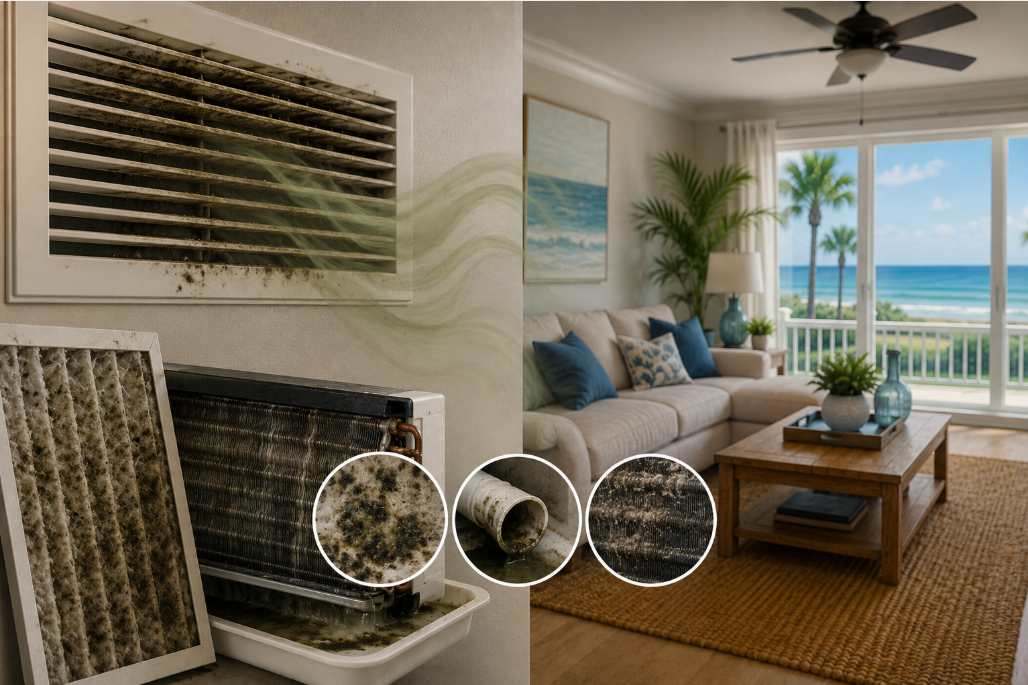
Grinding, squealing, rattling, hissing, and banging are specific mechanical warnings. Grinding or metal-on-metal sounds usually point to failing fan or compressor bearings; squealing often indicates a worn belt or motor bearing; hissing can be a refrigerant leak. Odors give you diagnostic clues, too: musty or mildew smells generally mean a clogged condensate pan or mold on the evaporator coil, sweet or chemical smells often signal a refrigerant leak, and burning or metallic odors can indicate electrical arcing or a failing capacitor.
Costs reinforce urgency: replacing a compressor can exceed $1,000-$2,500, while a simple capacitor or contactor replacement might be $100-$300. In coastal settings like La Marque, salt-induced corrosion can cause intermittent noises and faint burning odors long before a complete failure; rooftop units within a mile of the bay often show contactor pitting and fan-motor degradation in 5-8 years without protective coatings or aggressive maintenance.
If you hear grinding or smell burning, shut the system off and call a licensed technician-those symptoms increase fire and compressor-damage risk. For musty odors, start with changing filters, flushing the condensate line, and having the evaporator coil inspected; persistent hissing requires leak detection and a certified refrigerant repair, which typically costs $150-$400 for diagnostics plus $200-$600 for recharge depending on refrigerant type and leak location.
How Maintenance Extends System Life
Routine maintenance slows the wear that coastal conditions accelerate: annual inspections, coil cleanings, and airflow balancing reduce the corrosion and overload that salt air and extended cooling seasons cause. Systems that receive a professional tune-up each year commonly reach the 12-15 year range or exceed it, while neglected units in La Marque often fail closer to 8-10 years.
Technicians who log service visits report that proactive repairs-replacing capacitors, tightening electrical connections, and clearing condensate drains-cut emergency callouts by more than half. You benefit from lower repair frequency and steadier efficiency when you follow a predictable maintenance schedule.
Regular Check-ups
Schedule a professional inspection at least once a year and ideally before the summer peak; a pre-season tune-up typically takes 45-90 minutes and includes refrigerant checks, motor amperage readings, condenser and evaporator coil inspections, and verification of thermostat calibration. Ask the technician to measure static pressure and airflow-low airflow often signals a dirty coil or duct leakage that shortens compressor life.
Change disposable filters every 1-3 months depending on use and pets, and have coils cleaned annually; condensate drains should be flushed yearly to prevent backups and microbial growth. You should also ask the tech to inspect electrical components for corrosion from salt air and to check the outdoor unit’s fins and fan for bent blades or excessive buildup.
Tips for Homeowners
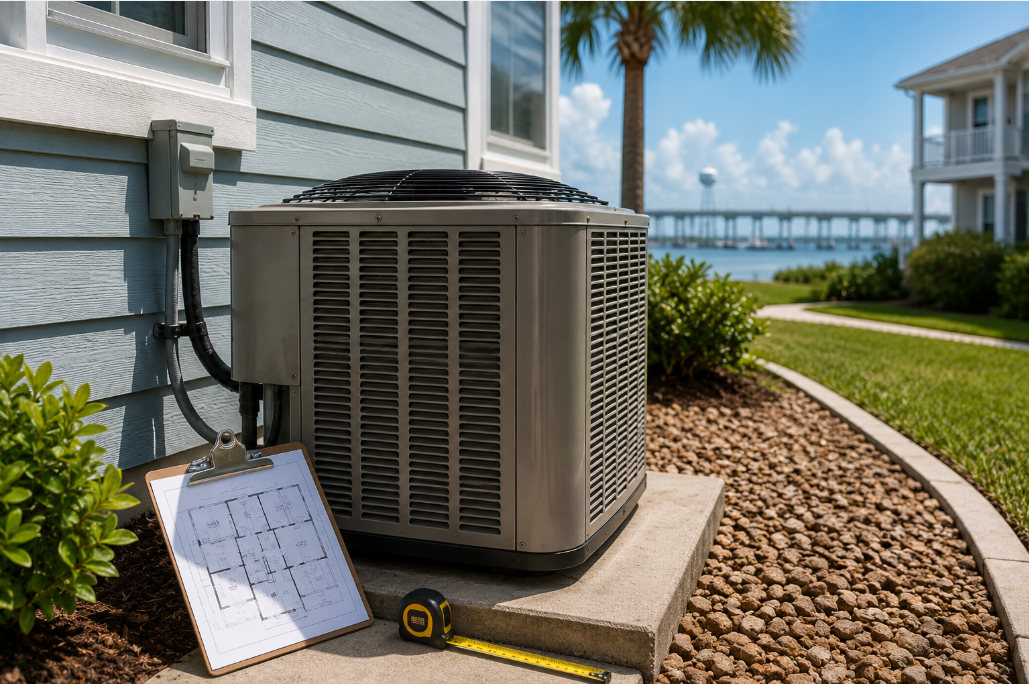
Keep 2-3 feet of clearance around the outdoor unit and rinse salt spray off the condenser with fresh water every 3 months during high-salt periods; use a garden hose spray (low pressure) and avoid pressure washers. Install a pleated filter rated MERV 8-11 to balance filtration and airflow, and set a service reminder on your calendar for a spring tune-up plus a quick fall check.
- Replace filters monthly during heavy cooling months; a clogged filter can force the blower to work harder and shorten motor life.
- Seal duct leaks with mastic or metal tape; leaking ducts can reduce system efficiency by 20-30% and increase runtime.
- Keep shrubbery trimmed and your unit elevated if your property floods occasionally.
- Thou schedule an annual professional inspection timed before the hottest month in your area.
Replacing dirty filters can cut energy consumption and runtime-studies and field reports suggest cleaning and filtration improvements can reduce HVAC energy use by roughly 10-15% in many homes; you should track monthly electric bills to spot trends that indicate declining system performance. If you note rising bills despite stable habits, prioritize a technician visit to diagnose refrigerant loss, failing components, or airflow restrictions before extensive damage occurs.
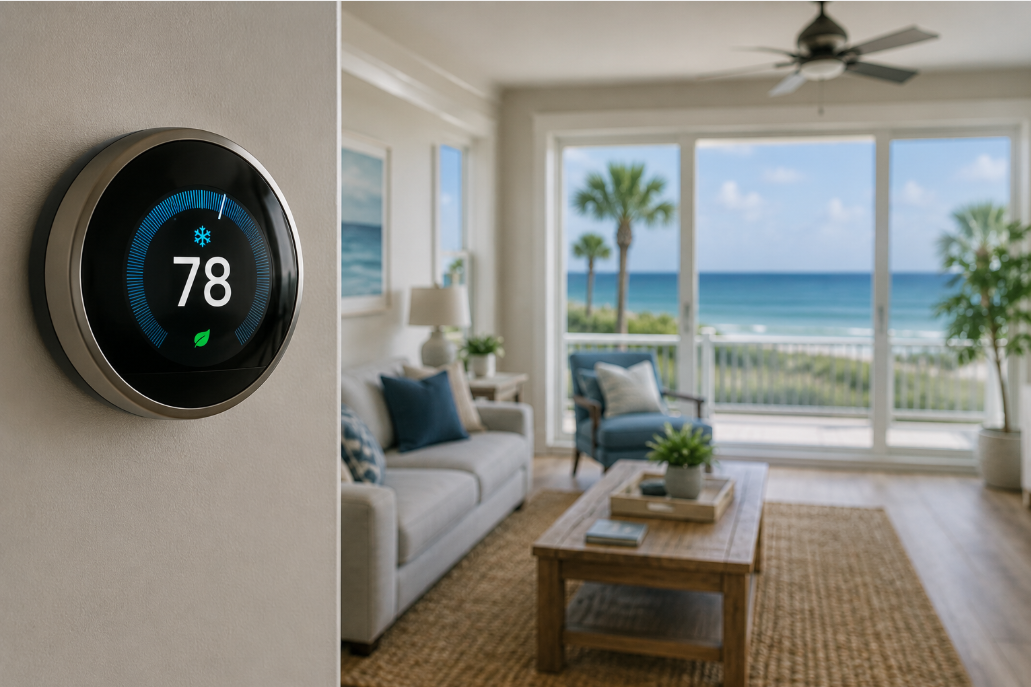
- Use a programmable or smart thermostat to reduce continuous runtime while maintaining comfort.
- Consider a seasonal coil treatment or corrosion-resistant coatings for coastal units when recommended by your HVAC pro.
- Document all service visits and parts replaced-this log can add resale value and clarify maintenance history.
- Thou verify that any replacement parts are rated for coastal environments to extend the system’s usable life.
Conclusion
Ultimately, you can expect most HVAC systems to last about 12-15 years, but in coastal Texas-especially in La Marque-higher humidity, salt air, and longer cooling seasons accelerate wear on coils, motors, and electrical components, so your system may reach the end of its useful life sooner without attentive care.
You can extend your system’s lifespan with regular maintenance: annual inspections, coil cleaning, filter changes, drain-line clearing, and airflow checks; watch for rising energy bills, uneven cooling, frequent breakdowns, and unusual noises, and if repairs become common it will often be more cost-effective for you to replace the unit than to keep patching an aging system.
FAQ
Q: How long do HVAC systems typically last in coastal Texas?
A: Most HVAC systems are designed for about 12-15 years under normal conditions. In coastal Texas-cities like La Marque-higher humidity, salt-laden air, and longer annual cooling seasons accelerate wear on coils, motors, compressors, and electrical components, so many systems fail earlier. With minimal or inconsistent maintenance you might see useful life drop into the 8-12 year range; with diligent care and corrosion protection it’s possible to approach or exceed the 12-15 year mark.
Q: Which coastal environmental factors cause the most damage to HVAC equipment?
A: Salt spray and airborne chlorides accelerate corrosion of outdoor coils, fan motors, housings, and electrical connections. High humidity increases condensate and corrosion risk inside coils and drain systems. Longer cooling seasons and higher run-times increase compressor and motor wear. Occasional coastal storms and standing water can also cause physical and electrical damage. Together these factors increase failure rates compared with inland locations.
Q: How does poor maintenance shorten an HVAC system’s lifespan?
A: Dirty filters, clogged condensate drains, and neglected coil cleaning force the system to work harder and run longer, raising operating temperatures and stressing compressors and motors. Corroded or loose electrical connections create failures and safety risks. Over time reduced efficiency and repeated minor failures lead to major component breakdowns, increasing repair frequency and shortening overall system life by several years.
Q: What warning signs indicate an HVAC system in a coastal home is aging or near replacement?
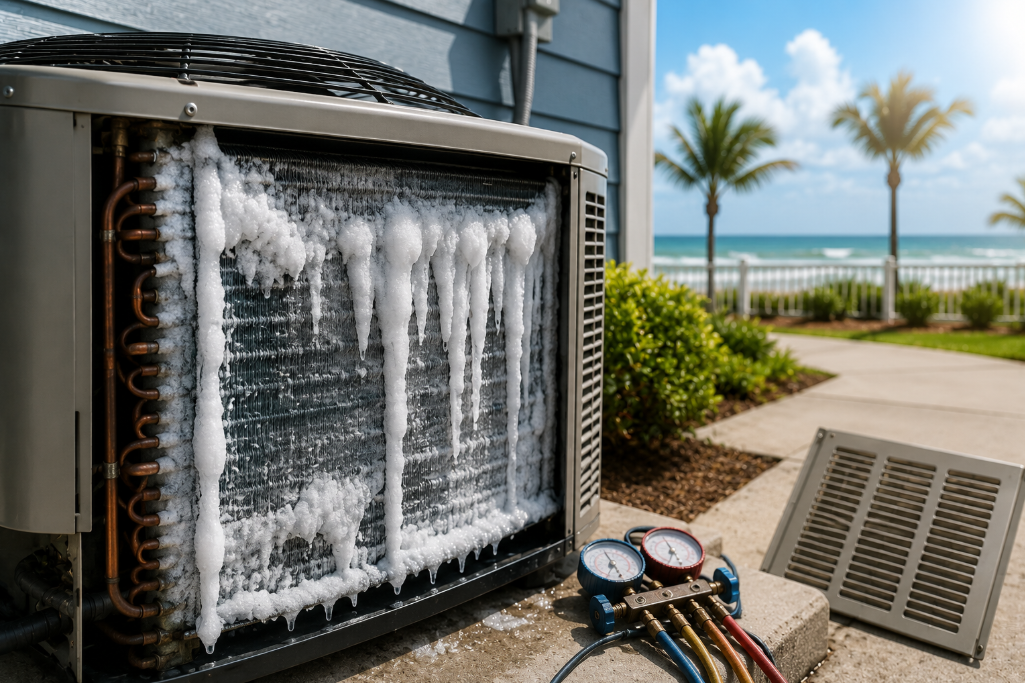
A: Rising energy bills despite similar use, uneven or weak cooling, frequent breakdowns, unusual noises (grinding, rattling, hissing), visible corrosion or refrigerant leaks, short-cycling, and ice forming on evaporator coils are common warning signs. If repair frequency increases or a single repair approaches a significant fraction of replacement cost, replacing the system is often more cost-effective.
Q: What maintenance and protective steps extend HVAC life in coastal Texas?
A: Schedule annual professional inspections and tune-ups, clean coils and evaporator/drain pans, check and restore airflow, and change filters regularly. Have a technician inspect and protect electrical connections and the outdoor unit for corrosion. Consider corrosion-resistant coatings or stainless components, raise the outdoor unit on a stable pad to reduce flood damage, keep the area clear of debris and salt build-up, and address minor issues promptly to avoid cascading failures.