Health Benefits Tailored to La Marque’s Climate
In La Marque, the hot and humid climate creates the perfect environment for mold growth and dust mite proliferation inside your home. These triggers can exacerbate respiratory issues like asthma and allergies, which already affect nearly 20% of households in Texas. By optimizing your indoor air quality through your HVAC system, you reduce the presence of these airborne irritants, helping you and your family breathe easier and experience fewer allergy flare-ups during the sticky summer months.
Enhancing Comfort While Protecting Your Home
Humidity control via your HVAC system not only improves comfort but also protects your home’s structure by preventing excess moisture buildup that can lead to mold and mildew damage. Homes in La Marque that maintain balanced indoor humidity levels between 40% and 60% report fewer cases of wood rot and paint deterioration, reducing costly repairs over time. Additionally, upgrading to high-efficiency filters and ensuring regular duct cleaning stops dust and pet dander from circulating, creating a cleaner, fresher indoor environment all year round.
Transform Your Air Quality with Premium Filter Upgrades
Upgrading your HVAC system’s air filter is one of the most straightforward yet impactful steps to reduce indoor pollutants in your Texas home. Standard filters often capture only larger particles like dust and lint, but premium filters target a broader range of contaminants including pollen, pet dander, and even microscopic mold spores. These fine particles are especially relevant in La Marque, where seasonal allergens and high humidity can encourage mold growth inside air ducts. Investing in a quality air filter means improving the air you breathe every day without any changes to your daily routine.
In practical terms, swapping out lower-grade filters for high-efficiency alternatives will keep your HVAC system cleaner too, reducing maintenance needs and potentially extending the life of your equipment. Filters designed for high airflow efficiency ensure your system doesn’t have to work harder to push air through, balancing cleanliness with energy savings. Since Texans spend the majority of their time indoors, upgrading your filter is a simple way to build a healthier home environment tailored to your family’s needs.
Choosing the Right Filter Type for Your HVAC System
Filters come in various materials and efficiencies, so picking the one compatible with your HVAC setup is key. Fiberglass filters are inexpensive but mainly block large particles and require frequent replacement. Pleated filters offer better filtration thanks to their increased surface area, capturing smaller particles without severely restricting airflow. If you or your family have allergies, asthma, or sensitivities, a synthetic or electrostatic filter can attract and trap even finer particles, improving air quality significantly.
The size and model of your HVAC system will dictate the maximum filter rating it can handle without impacting performance. Before upgrading, consult your system’s specifications or a professional technician to avoid airflow restrictions that could strain your unit. Since the dusty Texas environment means your filters may need more frequent replacement than average, consider filters that balance effectiveness with longevity for your climate’s demands.
Benefits of High MERV Rating Filters
Filters are rated by their Minimum Efficiency Reporting Value (MERV), which indicates their ability to trap particles of varying sizes. Higher MERV ratings, such as 11 to 13, capture up to 90% of particles in the 1 to 3 micron range, including allergens, smoke, and bacteria. Moving to a high MERV filter in your La Marque home significantly reduces airborne irritants, helping to alleviate allergy symptoms and promoting easier breathing.
High MERV filters also support a cleaner HVAC system by preventing dust and debris buildup inside ducts and coils. This minimizes the risk of mold formation in your humid climate and helps maintain consistent airflow, contributing to energy efficiency. Your system can deliver cleaner air to every room, turning your home into a sanctuary where indoor pollutants are dramatically lowered without sacrificing comfort.
Research from HVAC industry studies shows that homes using filters with MERV ratings of 11 or above experience measurable reductions in particulate matter that aggravate respiratory conditions. The energy conservation benefits also translate into lower utility bills, making premium filters a smart investment beyond just health.
Revitalize Your Home: The Essentiality of Regular Duct Cleaning
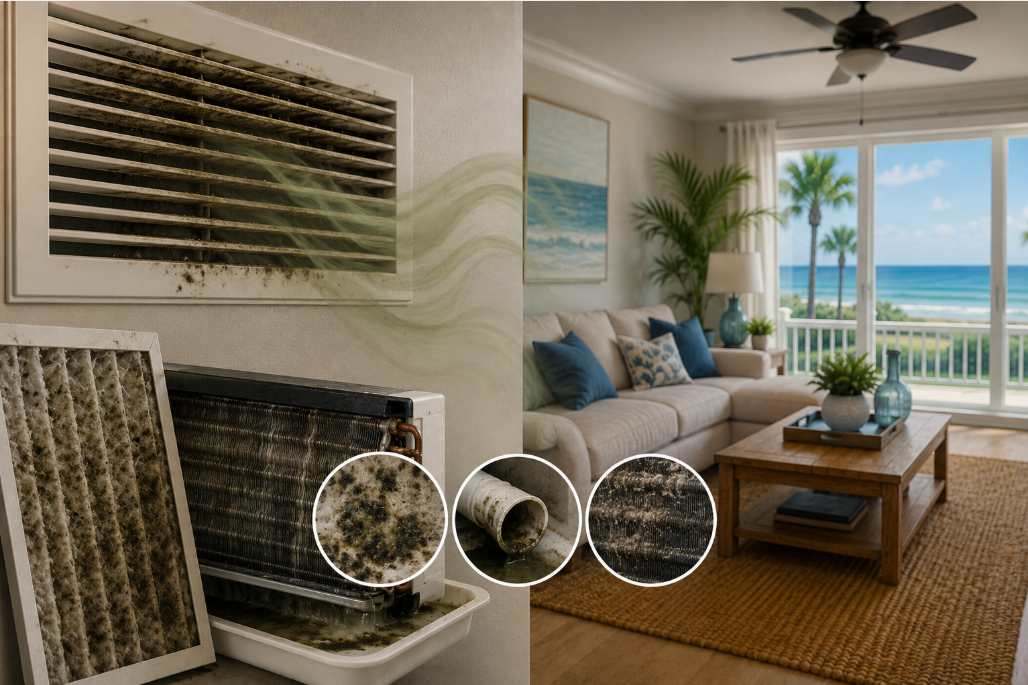
Over time, dust, pet dander, pollen, and even mold spores accumulate inside your HVAC ducts, creating a breeding ground for allergens and contaminants. These particles don’t just settle quietly; they circulate through every room when your system operates, impacting your indoor air quality and overall comfort. In Texas, where humidity and pollen counts can be high, neglecting duct cleaning allows these irritants to persist, escalating allergy symptoms and respiratory issues for your family. With routine duct cleaning, you can eliminate years’ worth of buildup, ensuring the air moving through your system is cleaner and healthier to breathe.
Cleaning your ducts also helps reduce unpleasant odors caused by trapped debris and mold growth. Eliminating these sources of stale or musty smells creates a fresher home environment. Moreover, it allows your HVAC system to run more efficiently by removing blockages that restrict airflow, potentially lowering your energy bills. Scheduling professional duct cleaning every 3 to 5 years—or more often when you notice problems—can drastically improve both the hygiene and performance of your indoor air delivery.
Identifying When Duct Cleaning is Needed
Look out for visible signs like excessive dust buildup around vents or noticeable musty odors when your system runs. If family members experience unexplained allergy flare-ups or worsening asthma symptoms, accumulated allergens and contaminants within your ducts might be the culprit. You might also notice poor airflow from vents or inconsistent heating and cooling, which often indicates blockages or debris restricting air movement.
Recent home renovations, new pets, or a history of water damage near ductwork are additional triggers for duct cleaning. Renovations stir up construction dust that easily settles inside ducts, while water leaks encourage mold growth within the system. If it’s been several years since your last cleaning, particularly in a Texas climate that fosters pollen growth and humidity-related mold, it’s a smart move to schedule a thorough inspection and possible cleaning to maintain excellent indoor air quality.
The Impact of Clean Ducts on Airflow and Quality
Removing dust and debris from your HVAC ducts significantly enhances airflow, enabling your system to distribute conditioned air more evenly and efficiently throughout your home. Improved airflow reduces strain on components like fans and blowers, which can extend the life of your HVAC unit while knocking down utility expenses. Clean ducts mean fewer particulates re-entering your living space with each cycle, making breathing easier for everyone inside, especially for those sensitive to allergens.
Studies have demonstrated that homes with regularly maintained ducts experience up to a 25% improvement in air circulation efficiency. This translates into a more consistent indoor temperature and better moisture control, which helps keep mold growth in check. In humid Texas conditions, restricting mold spores from circulating keeps your indoor environment safer and more comfortable year-round.
Paying attention to your duct system not only benefits your air quality but also optimizes how your HVAC system performs. The clean, unobstructed pathways allow your equipment to function at peak efficiency, reducing wear and tear and preventing costly repairs. This dual advantage means you get healthier air and greater energy savings simultaneously.
Mastering Humidity: Balancing Moisture Levels for Health
Understanding the Effects of Humidity on Air Quality
Humidity levels directly influence how comfortable and healthy your indoor environment feels. In La Marque’s subtropical climate, excessive moisture often leads to mold growth and dust mite proliferation, both of which thrive in humidity levels above 60%. These allergens can easily get circulated through your HVAC system, aggravating respiratory conditions like asthma and allergies. Conversely, very low humidity—below 30%—causes dry skin, irritated sinuses, and can even increase the survival of airborne viruses, making your home less resilient to illness during dry spells.
The interplay between temperature and moisture also affects how pollutants behave indoors. High humidity can cause volatile organic compounds (VOCs) emitted from paints and furnishings to intensify, worsening indoor air pollution. Keeping your home at an optimal relative humidity range between 40% and 50% helps minimize these issues and supports your HVAC system’s efficiency by reducing strain on heating and cooling components.
Techniques for Effective Humidity Control
Installing a whole-home dehumidifier paired with your existing HVAC system is an excellent strategy to maintain balanced moisture levels, especially during Texas’s humid summers. These systems actively remove excess moisture from the air before it circulates through your home, keeping mold growth and allergens in check. Many models integrate seamlessly with your thermostat, allowing you to set target humidity levels and automate humidity management without added effort.
In drier months or during AC use, incorporating humidifiers can prevent overly dry air that leads to discomfort and static electricity buildup. Portable humidifiers also add flexibility by targeting specific rooms or areas. Additionally, ensuring your air ducts are properly sealed and insulated reduces unwanted humidity infiltration from the outside while supporting consistent indoor air conditions year-round.
To further enhance humidity control, routine HVAC maintenance should include checking and cleaning condensate drains and drip pans, which can become breeding grounds for mold if clogged or stagnant. Using smart sensors and humidity monitors throughout your home can provide real-time feedback, helping you adjust settings proactively and maintain that ideal balance for healthier air quality and overall comfort.
Elevate Your Air: The Role of Purifiers and UV Lights
Integrating air purifiers and UV lights into your HVAC system takes your indoor air quality strategy beyond the basics. These technologies actively target microscopic pollutants that typical filters might miss, such as viruses, bacteria, and volatile organic compounds (VOCs). In a humid environment like La Marque, where mold spores thrive, these advanced systems add an extra layer of protection by neutralizing pathogens before they circulate throughout your home. The result is cleaner, fresher air that supports respiratory health for you and your family, especially if anyone suffers from allergies or asthma.
Many homeowners in Texas find that combining high-efficiency filters with supplemental purification methods makes a measurable difference in how their indoor air feels. Systems with integrated purifiers and UV lights not only reduce airborne contaminants but can also help control odors and reduce the frequency of deep cleaning required in your home. By leveraging these tools, you create an indoor environment that actively combats pollution, even during the hottest, most humid months when you rely heavily on your HVAC.
How Air Purifiers Work to Reduce Contaminants
Air purifiers use a variety of technologies to capture and neutralize airborne particles. One common method is HEPA filtration, which traps particles as small as 0.3 microns with up to 99.97% efficiency, meaning dust, pollen, pet dander, and mold spores are effectively removed from your air. Some purifiers also employ activated carbon filters that adsorb odors and VOCs released by household products and outdoor pollution—an added benefit for La Marque homes surrounded by industrial activity or traffic emissions.
Beyond just filtration, many purifiers use ionization or electrostatic technology to alter the electrical charge of particles, causing them to clump together and become easier to trap in filters or settle out of the air. This multi-layered approach reduces the concentration of allergens and irritants in your living spaces. When integrated within your HVAC system, air purifiers continuously cleanse circulating air, maintaining a healthier environment without interrupting your daily routine.
The Science Behind UV Lights in Air Quality Improvement
UV lights work by emitting ultraviolet germicidal rays that disrupt the DNA and RNA of microorganisms like bacteria, viruses, and mold spores, rendering them inactive and unable to reproduce. Installed inside your HVAC system near the coils or air handler, these lights target microbes that settle on cooling coils, surfaces prone to moisture buildup, and those that might otherwise circulate in airborne droplets. This level of microbial control reduces not only allergens but also the risk of illness-causing pathogens spreading through your home.
Research has demonstrated that UV-C light exposure within HVAC systems can reduce mold contamination by up to 90%, a significant benefit in La Marque’s humid climate where fungal growth poses ongoing challenges. You’ll notice fewer musty odors and less visible mold buildup, preserving the longevity and efficiency of your HVAC components in the process.
UV lights also help maintain system cleanliness and efficiency by preventing biofilm formation on coils—slimy layers that impair heat exchange and airflow. Keeping your system cleaner means your HVAC runs more efficiently, which can lead to energy savings and fewer maintenance calls over time. When combined with routine duct cleaning and proper humidity control, UV lights serve as a powerful tool to safeguard your indoor air quality year-round.
Regular Maintenance: The Backbone of HVAC Performance
Consistent upkeep of your HVAC system directly influences how well it can filter and circulate clean air throughout your home. Over time, dust accumulates on components like coils and blower fans, reducing airflow and making the system work harder. This strain not only diminishes air quality but also elevates energy consumption and the risk of costly repairs. Scheduling routine professional inspections and cleanings ensures that dirt buildup is managed before it compromises performance or your family’s comfort.
Ignoring maintenance allows allergens, mold spores, and other contaminants to thrive inside your ducts and filters, reintroducing them into your living spaces. Texas’s warm, humid climate can accelerate this problem, providing an ideal environment for microbial growth within moist parts of the system. Your HVAC needs regular attention to keep the air circulating fresh and healthy, preventing indoor pollution levels from surpassing even the outdoor environment.
Key Maintenance Tips for Optimal Airflow and Quality
Maintaining peak performance and air quality starts with these straightforward actions:
- Replace air filters every 1-3 months with high-efficiency particulate air (HEPA) or MERV 13+ filters to trap finer particles.
- Schedule duct cleaning every 2-3 years, or sooner if you notice excessive dust or mold growth, to eliminate hidden pollutants.
- Inspect and clean evaporator and condenser coils annually to preserve heat exchange efficiency.
- Control indoor humidity levels between 30-50% using dehumidifiers or ventilation adjustments to reduce mold proliferation.
- Upgrade your HVAC system with UV germicidal lights to inactivate airborne bacteria and viruses continuously.
Perceiving and acting on these tasks can extend your system’s lifecycle, enhance indoor air purity, and even lower monthly energy bills.
Recognizing Signs Your HVAC System Needs Attention
Changes in your home environment often signal that your HVAC system requires evaluation. If you observe uneven temperatures from room to room or experience frequent interruptions in heating or cooling cycles, airflow restrictions may be at play. Stale, musty odors are another red flag, frequently linked to trapped moisture and mold growth inside ducts or drip pans. You might also notice increased allergy symptoms or respiratory irritation among family members, pointing toward airborne irritants circulating unchecked.
Noise levels can be informative too. Strange rattling, clanking, or grinding noises coming from your unit typically indicate mechanical wear or debris buildup. A sudden spike in energy usage without changes in thermostat settings often correlates with a system working harder due to blockages or inefficiencies. Acting on these observations quickly can prevent further damage and preserve your indoor air environment.
Being vigilant about any unusual smells, sounds, or changes in airflow quality allows you to address problems before they escalate. Early detection through these practical signs ensures your HVAC system continues to maintain the clean, breathable air your Texas home needs year-round.
Conclusion
To wrap up, improving indoor air quality in your Texas home is well within your reach when you utilize your HVAC system effectively. By upgrading to high-efficiency air filters, scheduling regular duct cleanings, and managing humidity levels, you are taking vital steps to reduce dust, allergens, and mold circulation. These actions help create a healthier environment for you and your family, ensuring the air inside your home is fresh and comfortable throughout the year.
Additionally, integrating air purifiers or UV lights into your HVAC system offers advanced protection against bacteria and airborne particles, enhancing the overall efficiency of your indoor air management. With these practical measures, you empower yourself to maintain better air quality, supporting your well-being and comfort in your La Marque home. Taking control of your indoor air starts with your HVAC system, and the solutions available make it easier than ever to breathe easier every day.
FAQ
Q: How often should I change the air filters in my HVAC system to improve indoor air quality?
A: It is recommended to change air filters every 1 to 3 months, depending on the type of filter and usage. High-efficiency filters may last longer but should still be checked regularly to prevent dust and allergens from circulating indoors. Frequent replacement helps maintain optimal airflow and keeps the air cleaner in your home.
Q: Can regular duct cleaning really make a difference in air quality?
A: Yes, regular duct cleaning can significantly improve indoor air quality by removing accumulated dust, mold, and allergens from the ductwork. This prevents these particles from being circulated throughout your home. It’s advised to have your ducts professionally cleaned every 3 to 5 years or more often if you notice excessive dust or mold growth.
Q: How does controlling humidity influence indoor air quality in Texas homes?
A: Controlling humidity is important because high humidity levels can encourage mold growth and increase dust mites, both of which negatively impact air quality. Using dehumidifiers or your HVAC system’s built-in humidity controls can help maintain levels between 30-50%, reducing these risks and creating a more comfortable environment.
Q: What benefits do air purifiers and UV lights offer when added to an HVAC system?
A: Air purifiers and UV lights help to reduce airborne allergens, bacteria, and viruses by filtering or neutralizing them as air circulates through your HVAC system. UV lights specifically target microorganisms, preventing their growth inside ducts or on coils, which can enhance overall indoor air quality and contribute to a healthier home.
Q: Is it necessary to have a professional inspect my HVAC system to improve air quality?
A: Yes, having a professional inspect your HVAC system ensures that it is operating efficiently and safely. They can identify issues such as leaks, mold, or buildup inside the system that may be compromising air quality. Professional maintenance also includes cleaning coils, checking filters, and confirming that added accessories like UV lights are functioning properly.