Most HVAC emergencies happen without warning, so you need to know when to call help to protect your home. System failure in cold weather, burning smells, smoke, loud grinding or banging, gas odors, or carbon monoxide concerns require immediate help. If an emergency occurs, turn off the system if needed, avoid DIY fixes that can be dangerous or void warranties, and only check thermostat or breakers; anything else should be handled by a licensed technician. Alex’s Air Conditioning offers emergency HVAC repair in La Marque, TX. Call us now for fast professional service when you need it most.
What Qualifies as an HVAC Emergency?
A true HVAC emergency is any failure that immediately threatens your safety, property, or the health of occupants – for example, a complete loss of heating during a cold snap or a sudden loss of cooling during summer heat above 90°F. You should also treat burning smells, visible smoke, or sparks as emergencies because they often indicate electrical failure or an overheating motor; systems beyond 10-15 years old are more likely to experience sudden compressor or motor failures that escalate quickly. Simple checks like verifying the thermostat, replacing a dead battery, or resetting a tripped breaker are fine, but anything suggesting fire, gas, or persistent mechanical failure requires a licensed technician.
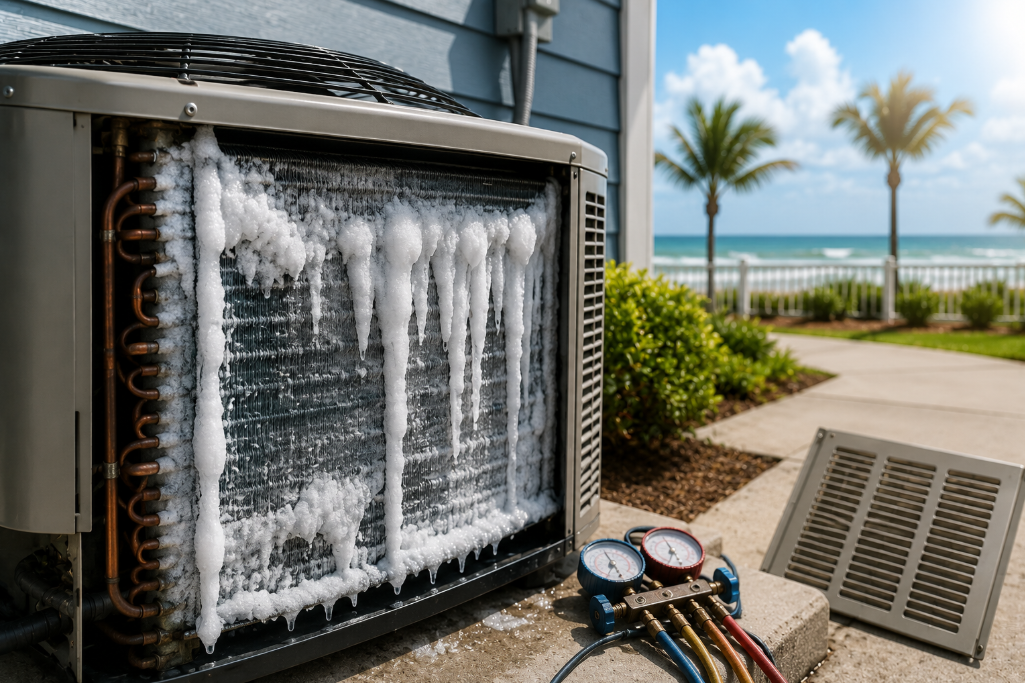
If you smell gas or your carbon monoxide alarm sounds, evacuate immediately and contact emergency services and your gas utility – do not operate electrical switches or the HVAC system. Water pooling from the indoor unit, rapid ice buildup on coils, or loud grinding and banging noises that continue for more than a few minutes also qualify as emergencies because they can cause extensive water or mechanical damage within hours; shut the system off if it appears unsafe and call for professional repair.
Signs That Indicate Immediate Attention
If your system is short-cycling – turning on and off in cycles shorter than five minutes – that signals a major issue with the compressor, refrigerant charge, or control board that can burn out components quickly. You should also respond immediately to persistent burning or metallic smells, visible smoke, unusual alarms, or loud mechanical sounds such as grinding, banging, or squealing that don’t stop after a single cycle; these often point to failing bearings, blown capacitors, or electrical arcing.
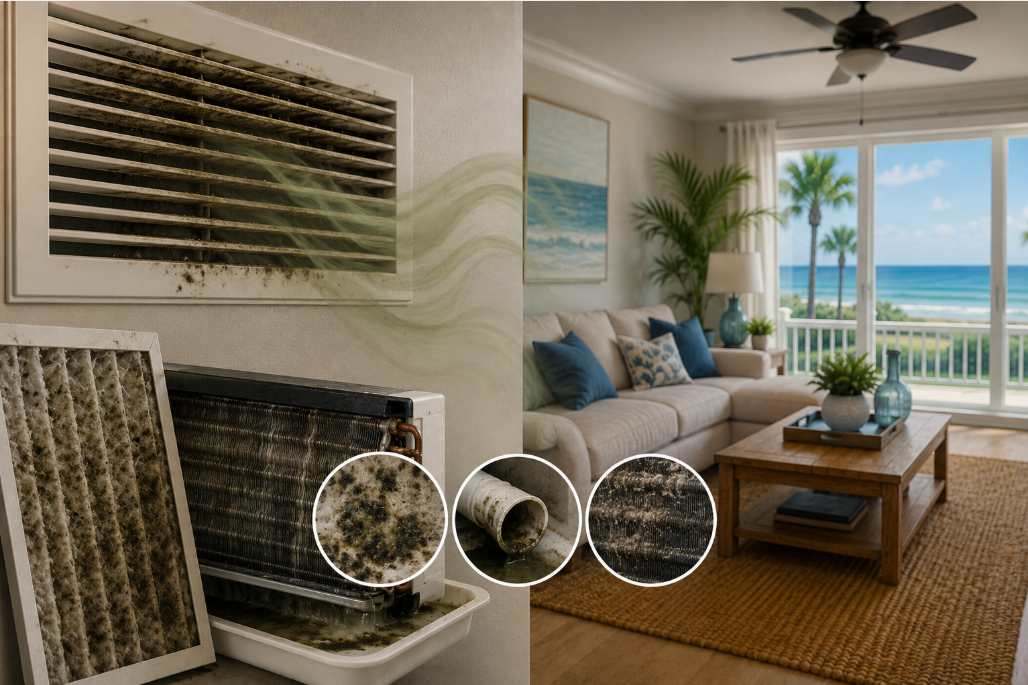
Rapid indoor temperature swings (for example, indoor temps climbing above 85°F during summer within a few hours after an AC failure) are another red flag, especially if you have infants, elderly family members, or anyone with respiratory issues. Water leaking from the air handler or a clogged condensate drain that allows water to pool near electrical components or drip into ceilings also needs immediate repair to prevent structural or mold damage.
Common HVAC Emergencies in La Marque
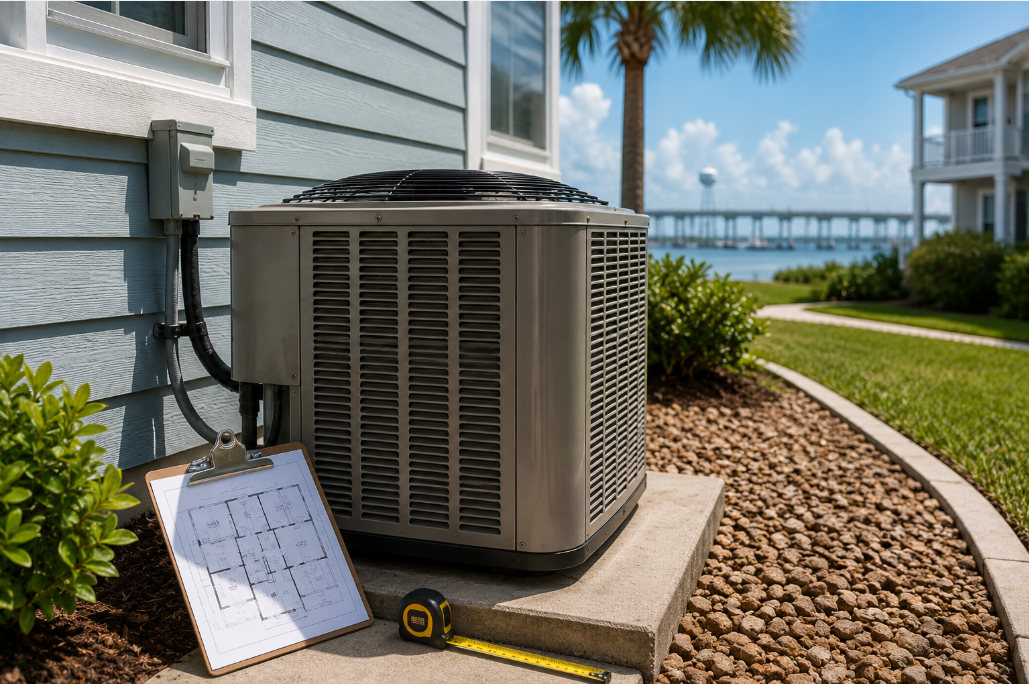
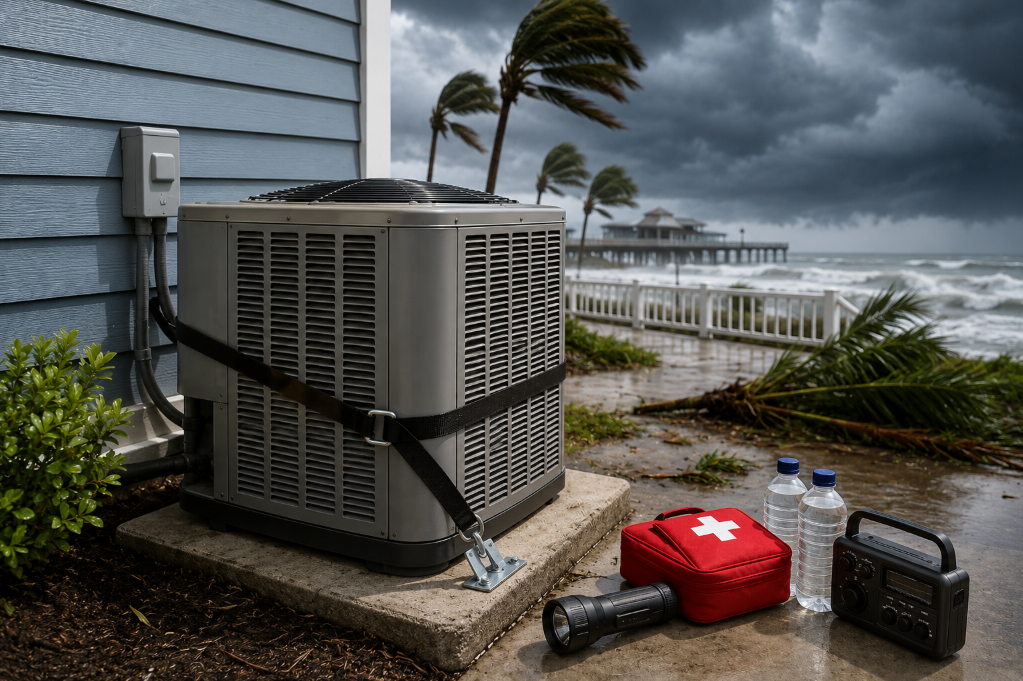
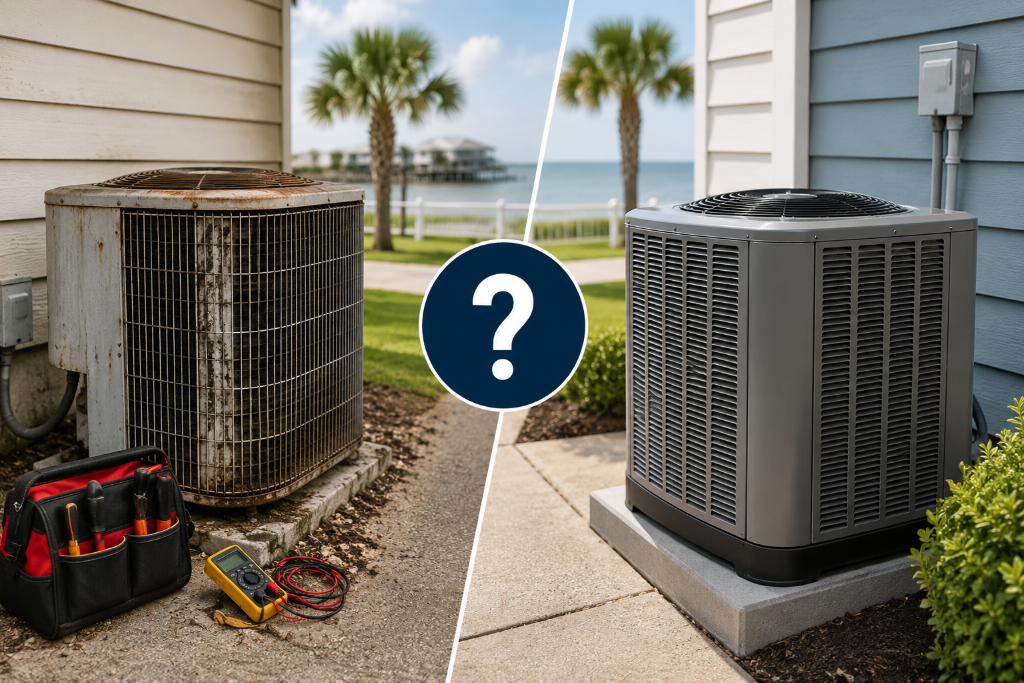
In La Marque you’ll most often encounter air conditioning failures during hot months – compressor burnout, capacitor and contactor failures, and refrigerant leaks that cause rapid loss of cooling. Coastal salt air accelerates corrosion on outdoor units, increasing the risk of electrical contact failures and coil degradation; condensate drain clogs and overflow are frequent after heavy summer storms and can lead to ceiling stains or electrical shorting indoors.
Furnace emergencies are less common locally but still occur during rare cold snaps; ignition or gas valve failures and cracked heat exchangers present immediate safety hazards and demand professional attention. Electrical failures that trip breakers repeatedly or smoke from the unit require shutdown and immediate service because they can escalate to fire.
To mitigate risks, schedule preventive maintenance at least twice a year and replace units near the 10-15 year mark; proactive replacement of corroded contactors and routine condensate drain cleaning cut the most common emergency callouts in this region by a large margin. If you experience any of the problems above, shut off the system if it seems unsafe and contact a licensed technician immediately.
What to Do During an HVAC Emergency
Initial Steps for Homeowners
Start with basic diagnostics you can safely perform: check the thermostat settings and batteries, confirm the fan is set to “Auto” or “On” as intended, and look at the main electrical panel for a tripped breaker labeled for the HVAC system – reset it once only, and note if it trips again. Replace a visibly clogged filter if you can access it without tools; a blocked filter can force a unit to overheat, shut down, or cause compressor short-cycling. In freezing weather (32°F/0°C and below) a total heating failure can freeze exposed pipes, so act fast to keep living spaces above freezing and call for professional help immediately.
Document the problem with photos and short notes: record noises (grinding, banging), smells (burning, rotten egg/gas), and any error codes shown on the thermostat or unit. Shut the system off at the thermostat or breaker if you detect burning smells or visible smoke, and do not restart the system until a technician confirms it’s safe. For gas odor or a triggered carbon monoxide alarm, evacuate everyone outside, call 911 or your gas provider immediately, and contact a licensed HVAC company like Alex’s Air Conditioning for emergency response.
Safety Precautions to Take
Always prioritize personal safety over fixing equipment. Cut power at the main breaker before touching any exterior panels, avoid contact with wiring and capacitors (they can hold dangerous charge), and keep children and pets away from the unit. If you smell gas, leave the home immediately and call emergency services from a safe distance; never operate light switches, phones, or anything that could create a spark inside the property.
When dealing with electrical issues, wait at least five minutes before attempting to restart the compressor after a power interruption to prevent motor damage from short-cycling. If you see smoke or flames, evacuate and call 911 rather than trying to extinguish major fires yourself; small thermal events often precede larger electrical failures. Wear basic PPE like gloves and safety glasses if you must inspect components, and do not spray water on electrical parts or refrigerant lines.
Refrigerant leaks require special caution: oily residue, hissing sounds, or ice buildup on lines can indicate a leak, and refrigerants can cause frostbite or respiratory irritation. Federal law (Section 608 of the Clean Air Act) mandates that only EPA-certified technicians handle refrigerants, so do not attempt to recharge or repair freon lines yourself-shut off the system, ventilate the area, and call a licensed professional.
Why DIY Repairs Are Risky
Potential Hazards
You can expose yourself to high-voltage components-most residential split systems operate on 240 volts and start capacitors can retain a dangerous charge even after the unit is turned off-creating a real electrocution risk if you probe or touch terminals without proper training and tools. Mechanical parts like fan blades and belt drives can cause injury, while refrigerant systems operate under high pressure and can spray liquid or gas that causes frostbite or eye damage.
Gas odors and carbon monoxide present different, immediate threats: carbon monoxide is odorless and can incapacitate occupants before you realize there’s a problem, and any burning smell or visible smoke often signals electrical overheating or a failing motor that could lead to fire. Federal rules also limit who may handle refrigerants-EPA Section 608 requires certification-so improper attempts to recharge or repair refrigerant systems can create environmental harm and legal liability in addition to equipment damage.
Common Mistakes to Avoid
Trying to diagnose complex failures from symptom alone often leads you to replace the wrong part; swapping a capacitor, contactor, or motor without proper testing can result in repeated failures and higher repair bills. Frequently resetting a tripped breaker or flipping breakers on and off without isolating the underlying fault increases the chance of an electrical fire and masks intermittent shorts that a technician would trace safely with diagnostic equipment.
Other typical errors include overcharging or undercharging refrigerant (which shortens compressor life), miswiring a thermostat or control board (which can damage electronic controls), and using improper tools or parts that don’t meet manufacturer specs-any of these actions can void warranties and escalate what started as a minor issue into a full system replacement.
For instance, installing the wrong-value capacitor or reversing motor wiring can instantly overload the compressor or motor bearings, often leading to a claimable failure within weeks; having a licensed technician perform correct diagnostics, use calibrated gauges, and follow manufacturer procedures protects your equipment, your warranty coverage, and your household’s safety.
When to Call a Professional
When you detect smoke, a burning odor, a pronounced gas smell, or your system fails during very cold or hot weather, shut the unit off and call a licensed technician right away – those symptoms point to electrical failure, motor burnout, or potential gas/CO exposure that can put your household at risk. Immediate professional intervention can prevent fire, carbon monoxide poisoning, or water damage from a flooded drain pan; do not attempt internal electrical or gas repairs yourself.
You may check simple items first – confirm thermostat settings, reset tripped breakers, and replace a clogged filter – but anything beyond those basic steps should be left to a professional. DIY fixes can void warranties, risk injury, and often turn a $100-$300 repair into a $1,200-$3,000 component replacement if the underlying problem is misdiagnosed or worsened.
Recognizing the Signs
Persistent loud noises like grinding, banging, or high-pitched squeals generally indicate failing bearings, a seized blower motor, or a struggling compressor; those sounds rarely resolve on their own and often precede more costly failures. Excessive cycling, sudden loss of cooling or heating capacity, or indoor temperatures swinging by more than 5-10°F from the thermostat setting are practical indicators that your system needs professional diagnostics.
A smell of rotten eggs (mercaptan) or any unusual gas odor requires immediate evacuation and notification of emergency services, followed by a certified HVAC technician to inspect gas lines and combustion appliances. Similarly, if a carbon monoxide detector alarms or household members experience headaches, dizziness, or nausea, treat that as an emergency and get professional testing and repair before re-entering the home.
Benefits of Professional Repair
Calling a pro keeps you safe and saves money over time by ensuring accurate diagnosis and targeted repairs; for example, a failing start capacitor typically costs $100-$300 to replace, whereas delaying proper diagnosis can lead to compressor failure costing $1,200-$3,000. Technicians also tune systems to manufacturer specifications, which restores efficiency and helps avoid repeat visits.
Professionals come equipped with the right tools – multimeters, refrigerant gauges, and combustion analyzers – and the certifications required to handle refrigerants and gas appliances legally and safely. That expertise preserves warranties, ensures code compliance, and reduces your liability compared with unlicensed attempts at repair.
In real-world terms, many emergency calls end up being single-component fixes completed within 1-3 hours, restoring safe operation and preventing secondary damage; by contrast, incorrect DIY work commonly extends downtime, increases overall costs, and can leave you without valid warranty coverage when a larger failure does occur.
Why Choose Alex’s Air Conditioning for Emergency HVAC Repair
Expertise and Experience
You get NATE- and EPA-certified technicians who average more than a decade of field experience handling emergency HVAC failures, from complete system shutdowns in cold snaps to electrical faults that produce burning smells. Their crews respond with fully stocked service vehicles and diagnostic equipment, so common parts like capacitors, contactors, and ignition modules are replaced on the spot in most cases.
When a dangerous issue arises-loud grinding, smoke, or a suspected gas leak-technicians follow strict safety protocols: immediate shutdown if needed, carbon monoxide screening, and coordination with local utilities when gas is involved. Typical emergency response times for the La Marque area are within 30-60 minutes, and many repairs are completed the same day to get your home safe and comfortable fast.
Customer-Centric Service
You’ll find 24/7 emergency dispatch and transparent pricing designed to reduce stress during an urgent call; the team provides upfront estimates, explains repair options in plain language, and notes when a temporary fix is required to preserve safety until a full repair can be made. Service vehicles include replacement parts that cover roughly 80-90% of common emergency repairs, which minimizes repeat visits.
Communication is prioritized: you receive ETA updates, photo documentation of faulty components, and a written summary of work performed with any warranty details-so you can show proof of professional service to manufacturers and insurers if needed.
After the repair, Alex’s Air Conditioning schedules follow-up checks and offers priority maintenance slots to emergency customers, helping you prevent repeat failures by addressing root causes like improper refrigerant charge, neglected filters, or corroded wiring.
Costs and Considerations for Emergency HVAC Repairs
Factors Influencing Cost
Several variables determine what you’ll pay when an HVAC system fails unexpectedly. Severity of the failure matters: a simple capacitor or contactor replacement often runs $100-$400, while a burned-out compressor can cost $1,200-$2,800 including labor. You should expect diagnostic fees in the $75-$150 range, and after-hours or weekend emergency calls commonly add a surcharge-either 25-50% on labor or a flat premium of $150-$300. Age and accessibility of the unit directly affect labor time; a rooftop commercial unit requiring a crane will multiply labor and permit costs compared with a backyard split system.
- Parts: compressors, control boards, and refrigerant lines have wide price ranges; a control board might be $400-$900 installed.
- Labor: typical local hourly rates run $75-$150 per hour depending on technician certification and call time.
- Refrigerant: R-22 replacement or retrofit is more expensive-recharges and retrofits can add $300-$1,200-while R-410A is generally cheaper to service.
- Safety and permits: gas-line or combustion repairs, and any city permit fees, will increase costs and add inspection time.
- Perceiving seasonal demand-peak-summer or winter spikes often drive parts shortages and longer response times-helps you weigh repair versus replacement.
Warranties and existing service agreements also change out-of-pocket costs; if your compressor or parts are under warranty, you may only pay diagnostic and labor fees, whereas out-of-warranty systems leave you responsible for full replacement. When there’s a potential safety risk like a gas odor or carbon monoxide concern, you should prioritize a licensed technician immediately-expect higher emergency-response fees but avoid risking your home and family.
Understanding Pricing Models
Technicians typically bill using one of three models: a diagnostic fee plus hourly labor and parts markup, a flat-rate repair price based on the job, or a combined emergency fee that includes diagnosis and a premium for immediate response. For example, a common structure is a $99 diagnostic fee that’s applied toward the final repair, $95-$140 hourly labor, and a 10-40% parts markup; after-hours calls often add the 25-50% emergency surcharge mentioned earlier. You should ask each provider how they itemize labor, parts, travel, and any minimum charges so you can compare apples-to-apples estimates.
Memberships and service plans can change the math: many local providers offer annual plans (typical ranges are $9-$20 per month or a $99-$199 yearly fee) that waive diagnostics, reduce emergency surcharges, or provide 10-20% discounts on labor and parts-these can pay off if you’ve had multiple service calls. Always request a written estimate showing diagnostic fees, labor rates, parts costs, markups, and after-hours premiums so you can decide whether an immediate repair, temporary fix, or full replacement gives you the best long-term value.
Conclusion
Hence you should call a professional immediately for a complete system failure in cold weather, any burning smell, visible smoke, loud grinding or banging, or if you detect gas odors or suspect carbon monoxide; these signals indicate electrical, mechanical, or safety hazards that require trained intervention. Turn off your system if it appears unsafe and limit your troubleshooting to basic checks like the thermostat and circuit breakers-avoid DIY repairs that can be dangerous or void warranties.
Alex’s Air Conditioning provides dependable emergency HVAC repair in La Marque, TX. Call us right away for fast, professional service when you need it most; a licensed technician will secure your system, protect your home and family, and restore safe operation efficiently so you can have confidence in your heating and cooling.
FAQ
Q: What qualifies as an HVAC emergency in La Marque, TX?
A: An HVAC emergency includes any condition that creates an immediate safety hazard or threatens home systems: persistent burning smells or visible smoke from the unit, loud mechanical noises such as grinding or banging, complete loss of heating or cooling during extreme weather, strong gas odors or signs of a carbon monoxide issue, major refrigerant leaks, or significant water intrusion from the system that risks structural damage or electrical hazards.
Q: What should I do immediately if I suspect an HVAC emergency?
A: If you smell gas or suspect carbon monoxide, evacuate the home and call emergency services before contacting an HVAC technician. For burning smells, smoke, or sparking, shut off the HVAC system at the thermostat and the circuit breaker if it can be done safely, then leave the area. For water leaks, turn off the HVAC and the home’s main water supply if the leak is plumbing-related. Limit attempts at repair to basic checks like confirming thermostat settings, replacing a dirty filter, or checking the breaker; avoid opening panels, touching wiring, or attempting gas or refrigerant repairs.
Q: Are there any troubleshooting steps I can safely try before calling a professional?
A: Yes-simple, noninvasive checks can help identify minor issues: verify thermostat mode and batteries, inspect and replace a heavily soiled filter, clear debris around the outdoor condenser, and check the circuit breaker for tripped switches. Do not attempt to access internal components, refrigerant lines, or gas connections, and do not bypass safety switches. If the problem persists or involves odors, smoke, loud mechanical noises, or suspected gas/CO, call a licensed technician immediately.
Q: How quickly can I expect a professional to arrive in La Marque, and what about emergency service fees?
A: Many local HVAC companies, including Alex’s Air Conditioning, offer 24/7 emergency response and aim to arrive within a few hours for urgent calls, though arrival time can vary with demand and time of day. Emergency service calls typically include an after-hours or emergency fee in addition to diagnostic and repair costs; service-call fees commonly range from modest to several hundred dollars, with total repair costs depending on parts and labor. Ask for an estimated response time and a clear cost estimate before work begins.
Q: What should I expect during an emergency HVAC repair visit?
A: A licensed technician will perform safety checks first (gas leaks, electrical hazards, CO testing), then diagnose the issue and explain findings and options. Expect a written estimate for repairs, possible temporary fixes to restore safe operation, and discussion of timelines for any parts or replacement equipment. Technicians should document work, provide warranty information for parts and labor, and advise on preventing recurrence. Avoid permitting unlicensed individuals to perform emergency repairs, since improper work can void warranties and create safety risks.